Chuyên sâu trong lĩnh vực vật liệu rời công nghiệp, cung cấp giải pháp môi trường thông minh tích hợp cho phối trộn tự động, cấp liệu tập trung, khử lưu huỳnh và khử nitơ khô!
Stone coal, also known as coal gangue or stone coal, is a byproduct of coal mining and processing. The efficient and reliable transportation of this material is critical for industrial operations, as it directly impacts productivity and operational costs. Various methods are employed for stone coal conveyance, with pneumatic conveying being a prominent and widely adopted technique. This article provides an overview of common stone coal conveying methods, with a focus on the principles and applications of pneumatic conveying systems.

About Shandong HeadPowder Engineering Co., Ltd.
Shandong HeadPowder Engineering Co., Ltd. is a leading manufacturer and supplier of advanced material handling solutions, specializing in equipment for stone coal and similar bulk materials. The company is headquartered in Shandong, China, offering comprehensive support for industrial clients seeking efficient and sustainable conveying systems. With a strong engineering background and manufacturing capabilities, HeadPowder provides high-quality products tailored to the unique needs of the mining and processing industries.
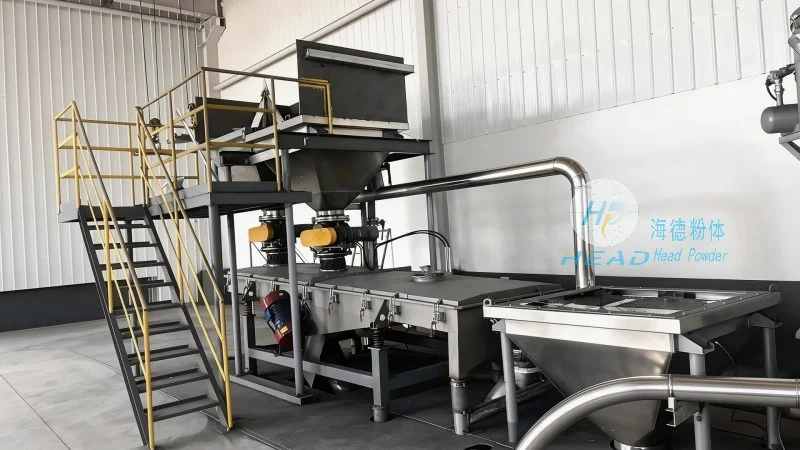
Pneumatic Conveying Systems for Stone Coal
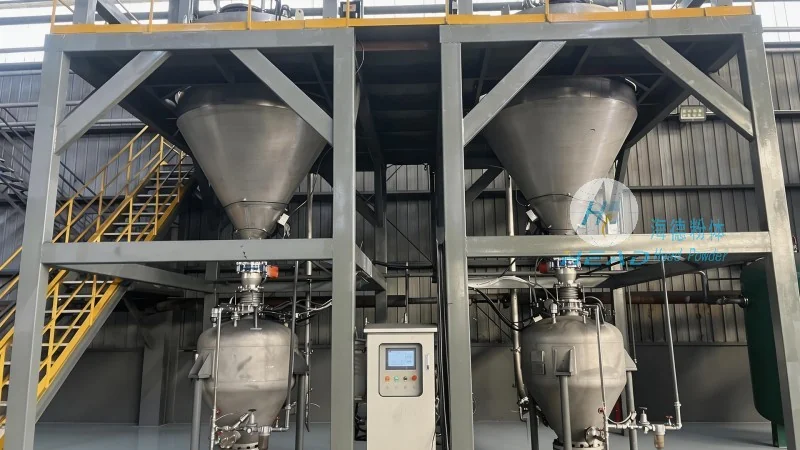
Pneumatic conveying, or air conveying, is a method that utilizes compressed air to transport solid materials like stone coal through a pipeline. This technology offers several advantages over traditional mechanical conveying methods, such as reduced equipment wear, lower maintenance costs, and the ability to handle materials with high moisture content or abrasive properties. The basic principle involves creating a pressure differential between the inlet and outlet of the conveying line, which propels the material forward. There are two main types of pneumatic conveying systems: pressure and vacuum. Pressure systems use positive pressure to move material, while vacuum systems create a negative pressure to draw material from a source. Both types can be adapted for stone coal applications, depending on the specific requirements of the operation.
Advantages of Pneumatic Conveying for Stone Coal
When compared to other conveying methods, pneumatic conveying offers distinct benefits for stone coal transportation. One of the key advantages is the ability to handle materials with varying particle sizes and shapes, including irregularly shaped stone coal pieces. This flexibility makes it suitable for diverse industrial applications, from coal processing plants to waste management facilities. Additionally, pneumatic systems are less prone to blockages and can be easily integrated with other processing equipment, enhancing overall operational efficiency. The enclosed pipeline design also helps in controlling dust and preventing environmental contamination, which is critical for compliance with environmental regulations. Furthermore, the energy efficiency of modern pneumatic conveying systems has improved significantly, reducing operational costs while maintaining high material throughput.
Components and Operation of Pneumatic Conveying Systems
A typical pneumatic conveying system for stone coal consists of several key components, including a material feeder, a blower or compressor, a conveying pipeline, and a receiver or discharge unit. The material feeder is responsible for introducing the stone coal into the system, ensuring a consistent flow rate. The blower or compressor generates the necessary air pressure to move the material through the pipeline. The conveying pipeline is usually made of durable materials like stainless steel or plastic, designed to withstand the abrasive nature of stone coal. The receiver or discharge unit collects the material at the end of the conveying line, often equipped with a valve to control the discharge process. The operation of the system involves feeding the stone coal into the feeder, activating the blower, and allowing the material to be transported through the pipeline to the receiver. The entire process is automated and can be controlled remotely, ensuring precise and reliable material handling.
Conclusion
Efficient stone coal conveying is essential for optimizing industrial processes and reducing operational costs. Pneumatic conveying systems, as highlighted in this article, offer a reliable and versatile solution for transporting stone coal and similar bulk materials. By leveraging the principles of air pressure and flow, these systems provide advantages such as reduced wear, lower maintenance, and improved environmental control. Shandong HeadPowder Engineering Co., Ltd. specializes in providing advanced pneumatic conveying solutions tailored to the specific needs of the mining and processing industries, ensuring high performance and durability. With a strong commitment to quality and customer satisfaction, the company continues to be a trusted partner for clients seeking efficient material handling solutions.

 Shandong Headpowder Engineering Co., Ltd.
 156-6277-7102(Quản lý Trương)
  0531-83386006
  Thành phố Tế Nam, Tỉnh Sơn Đông, Trung Quốc
Điện thoại
WeChatTư vấn
Lên đầu