Chuyên sâu trong lĩnh vực vật liệu rời công nghiệp, cung cấp giải pháp môi trường thông minh tích hợp cho phối trộn tự động, cấp liệu tập trung, khử lưu huỳnh và khử nitơ khô!
When it comes to the efficient handling and transportation of zinc concentrate, selecting the right conveying method is crucial for optimizing industrial processes. Zinc concentrate, a key raw material in the zinc production industry, requires reliable and effective transport solutions to ensure smooth operations from mining to processing. This article explores common zinc concentrate transportation methods, with a particular focus on air-driven systems, and highlights the expertise of Shandong HeadPowder Engineering Co., Ltd. in providing advanced conveying solutions.
Understanding Zinc Concentrate and Its Transportation Needs
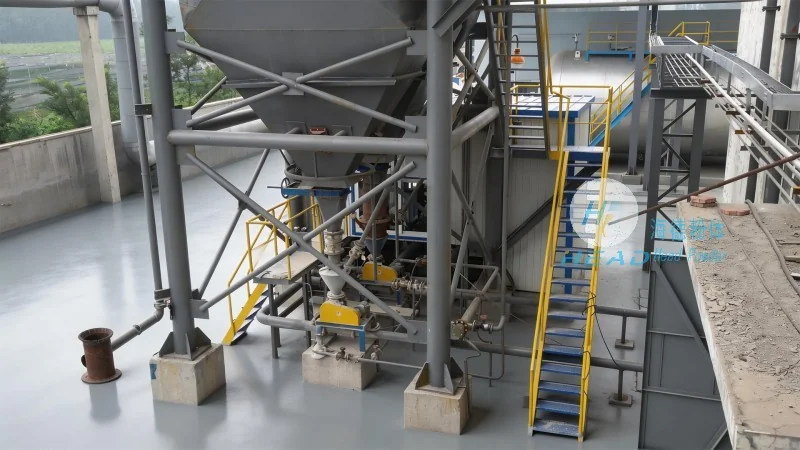
Zinc concentrate is a mineral ore that contains zinc in a concentrated form, typically after beneficiation processes. It is a fine, powdery material that demands specialized handling due to its particle size, moisture content, and potential for dust generation. Traditional bulk material handling methods may not be suitable for zinc concentrate due to its properties, which can lead to issues such as material degradation, equipment wear, and environmental concerns. Therefore, modern industrial applications often rely on advanced conveying technologies that can handle fine powders efficiently and safely.
Common Zinc Concentrate Transportation Methods
There are several conventional methods used for transporting zinc concentrate, each with its own advantages and limitations. The primary methods include mechanical conveyors like belt conveyors, screw conveyors, and bucket elevators, as well as pneumatic systems such as air-driven or pressure-driven conveying. Each method has specific applications depending on the material characteristics, distance to be covered, and operational requirements.
Advantages of Air-Driven (Pneumatic) Conveying for Zinc Concentrate

Air-driven or pneumatic conveying systems have emerged as a preferred choice for zinc concentrate transport due to their unique benefits. Unlike mechanical conveyors, pneumatic systems use air pressure to move material through a pipeline, eliminating the need for moving parts in contact with the material. This reduces equipment wear and maintenance costs, making them ideal for handling abrasive or corrosive materials like zinc concentrate. Additionally, pneumatic systems can transport materials over longer distances with minimal pressure drop, and they are highly effective in controlling dust and preventing material contamination.
Components of an Air-Driven Zinc Concentrate Conveying System
An air-driven conveying system typically consists of several key components that work together to ensure efficient material transport. These components include a material feeder, a blower or compressor to generate the air flow, a pipeline system for material transport, and a receiver or discharge unit to collect the material at the destination. The material feeder is responsible for feeding the zinc concentrate into the system, while the blower provides the necessary pressure to move the material through the pipeline. The pipeline is usually made of corrosion-resistant materials such as stainless steel or polyethylene to withstand the chemical properties of zinc concentrate and prevent leaks.

Operational Considerations for Air-Driven Conveying
Implementing an air-driven conveying system for zinc concentrate requires careful consideration of several operational factors. The system's design must account for the material's particle size distribution, moisture content, and flowability to ensure consistent performance. Proper air pressure and flow rate are critical to maintaining the material's integrity and preventing blockages or clogging in the pipeline. Additionally, the system should be equipped with dust collection and filtration systems to comply with environmental regulations and maintain a safe working environment. Regular maintenance and monitoring of the blower, pipeline, and feeder components are essential to ensure the longevity and reliability of the conveying system.
Case Study: HeadPowder's Air-Driven Zinc Concentrate Conveying Solutions
Shandong HeadPowder Engineering Co., Ltd. specializes in designing and manufacturing advanced air-driven conveying systems tailored to the specific needs of zinc concentrate handling. With years of experience in the bulk material handling industry, HeadPowder has developed customized solutions that address the unique challenges of zinc concentrate transport. For example, a recent project involved the installation of an air-driven conveying system for a zinc smelting plant, where the system successfully transported zinc concentrate over a distance of 500 meters with minimal pressure loss and high material throughput. The system was equipped with corrosion-resistant stainless steel pipelines and a high-efficiency blower, ensuring reliable operation and reduced maintenance costs for the client.
Conclusion: Choosing the Right Zinc Concentrate Conveying Method
In conclusion, selecting the appropriate zinc concentrate transportation method is essential for optimizing industrial processes and ensuring the efficient handling of this critical raw material. While mechanical conveyors have their place in certain applications, air-driven or pneumatic systems offer significant advantages in terms of efficiency, reliability, and environmental compliance. Shandong HeadPowder Engineering Co., Ltd. provides expert solutions in air-driven conveying systems, helping clients achieve seamless zinc concentrate transport with minimal operational challenges. By understanding the unique properties of zinc concentrate and the capabilities of different conveying technologies, industrial operators can make informed decisions to enhance their production processes and improve overall efficiency.

 Shandong Headpowder Engineering Co., Ltd.
 156-6277-7102(Quản lý Trương)
  0531-83386006
  Thành phố Tế Nam, Tỉnh Sơn Đông, Trung Quốc
Điện thoại
WeChatTư vấn
Lên đầu