Chuyên sâu trong lĩnh vực vật liệu rời công nghiệp, cung cấp giải pháp môi trường thông minh tích hợp cho phối trộn tự động, cấp liệu tập trung, khử lưu huỳnh và khử nitơ khô!
Calcium carbonate is a widely used industrial material, and its efficient transportation is crucial for various manufacturing processes. The choice of conveying method significantly impacts operational efficiency, cost, and product quality. This article provides an overview of common calcium carbonate conveying methods, with a focus on the advantages and applications of pneumatic conveying systems.

Introduction to Calcium Carbonate Conveying
Calcium carbonate (CaCO₃) is a versatile mineral used in industries such as construction, plastics, paper, and pharmaceuticals. Its bulk handling and transportation require specialized equipment to ensure safety, efficiency, and minimal product degradation. Conventional methods like belt conveyors and screw conveyors are widely used but have limitations in handling fine powders, which can lead to dust issues and operational challenges. Pneumatic conveying offers a more advanced solution for transporting calcium carbonate, especially in applications where dust control and material integrity are critical.

Pneumatic Conveying Systems for Calcium Carbonate
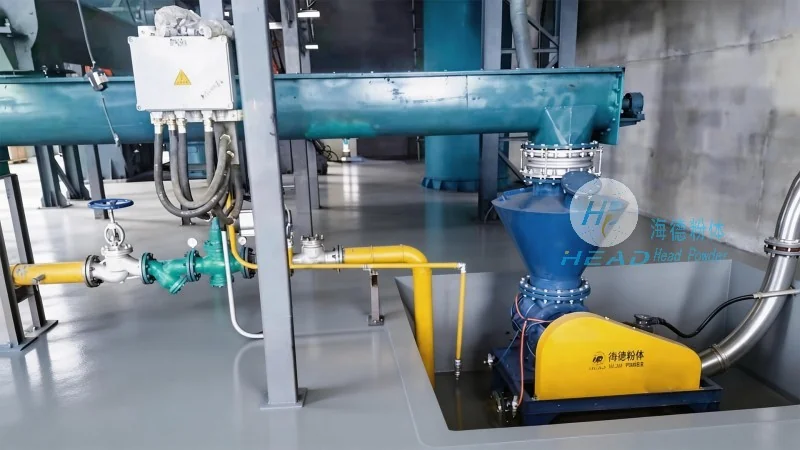
HeadPowder, a leading provider of material handling solutions, specializes in pneumatic conveying systems tailored for calcium carbonate applications. Pneumatic conveying uses compressed air to transport powders through a pipeline system, eliminating the need for mechanical components that can cause product contamination or wear. The system typically consists of a hopper, a feeder, a conveying line, and a receiver. The compressed air creates a flow that carries the calcium carbonate particles, ensuring a consistent and controlled delivery to the destination.
There are two main types of pneumatic conveying systems: dilute-phase and dense-phase. Dilute-phase systems use low air-to-material ratios, making them suitable for long-distance transport and handling large volumes of material. Dense-phase systems, on the other hand, use higher air-to-material ratios, which are ideal for transporting sensitive materials or when precise control over the material flow is required. For calcium carbonate, dilute-phase systems are often preferred due to their efficiency and lower energy consumption, though dense-phase systems may be used in specific applications where product quality needs to be maximized.
Advantages of Pneumatic Conveying for Calcium Carbonate
Compared to traditional mechanical conveying methods, pneumatic conveying offers several advantages for calcium carbonate handling. First, it provides excellent dust control, as the material is contained within a sealed pipeline system, reducing environmental impact and improving workplace safety. Second, it minimizes product contamination, as there are no metal parts in direct contact with the material, which is critical for applications where purity is essential, such as in pharmaceutical or food industries. Third, pneumatic systems offer flexibility in layout, allowing for complex and customized conveyor designs to fit specific plant configurations. Additionally, they can handle a wide range of particle sizes and moisture contents, making them versatile for various calcium carbonate grades.
Applications and Considerations
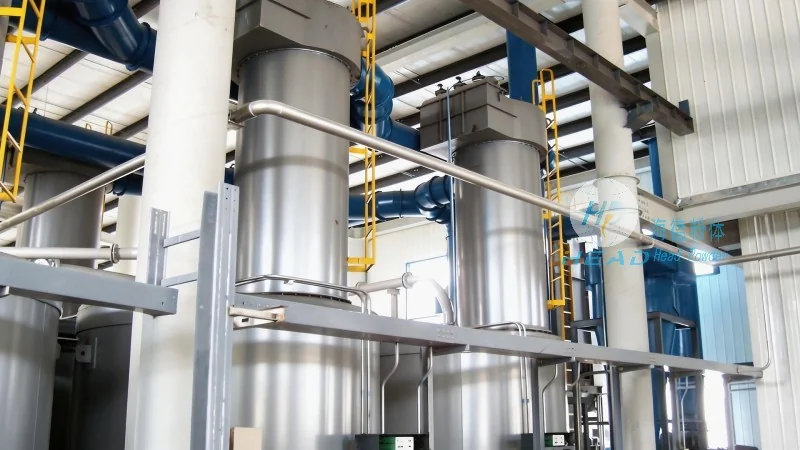
Pneumatic conveying systems are widely used in the calcium carbonate industry for both bulk and fine powder transport. In the construction industry, they are used to transport ground calcium carbonate for cement and concrete production. In the plastics industry, they help deliver calcium carbonate fillers to enhance the mechanical properties of plastic products. The pharmaceutical industry also relies on pneumatic conveying for transporting calcium carbonate as an excipient in drug formulations.
When selecting a pneumatic conveying system for calcium carbonate, several factors must be considered. The particle size and density of the material are critical, as they affect the air flow requirements and system design. The distance and layout of the conveying line also influence the choice between dilute-phase and dense-phase systems. Additionally, the need for dust control and product purity should guide the system selection. HeadPowder, with its expertise in material handling, can provide customized solutions that address these considerations and optimize the conveying process for specific applications.
Conclusion
Efficient and reliable calcium carbonate conveying is essential for maintaining productivity and product quality in various industrial applications. Pneumatic conveying systems, particularly those offered by HeadPowder, provide a superior alternative to traditional mechanical methods, offering benefits such as dust control, product purity, and operational flexibility. By understanding the different types of pneumatic conveying systems and their applications, industries can choose the most suitable method to meet their specific needs and enhance their overall operational efficiency.

 Shandong Headpowder Engineering Co., Ltd.
 156-6277-7102(Quản lý Trương)
  0531-83386006
  Thành phố Tế Nam, Tỉnh Sơn Đông, Trung Quốc
Điện thoại
WeChatTư vấn
Lên đầu