Chuyên sâu trong lĩnh vực vật liệu rời công nghiệp, cung cấp giải pháp môi trường thông minh tích hợp cho phối trộn tự động, cấp liệu tập trung, khử lưu huỳnh và khử nitơ khô!
For food manufacturers dealing with powdered seasonings, selecting the right conveying method is crucial for maintaining product quality, ensuring efficient production, and controlling operational costs. Powdered seasonings, such as spices, herbs, and flavor enhancers, are often delicate and sensitive to moisture, temperature, and air exposure. Traditional conveying methods like belt conveyors or bucket elevators may not be suitable due to their potential to cause product degradation, contamination, or uneven distribution. This article explores common conveying methods for powdered seasonings and focuses on the benefits of pneumatic conveying systems, highlighting how they address the unique challenges of handling these products.
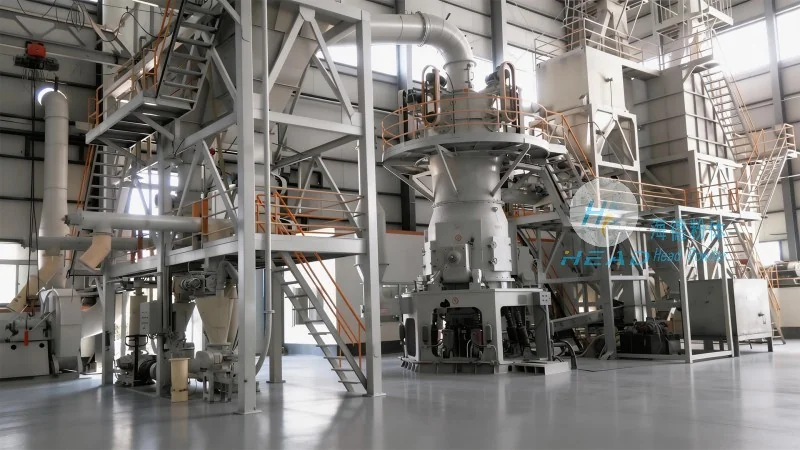
Understanding the Challenges of Powdered Seasoning Conveying
Powdered seasonings are typically fine particles that require gentle handling to preserve their flavor, aroma, and texture. Conventional mechanical conveyors can cause friction, impact, or excessive vibration, leading to product degradation, caking, or loss of potency. Additionally, these systems may not effectively handle the dust and airborne particles, posing health and safety risks to operators and requiring additional filtration equipment. The need for a conveying solution that minimizes product contact, maintains product integrity, and ensures consistent flow has led to the development of specialized systems like pneumatic conveyors.
Common Conveying Methods for Powdered Seasonings
Before delving into pneumatic conveying, it's essential to understand the primary methods used for transporting powdered seasonings. The most common approaches include:
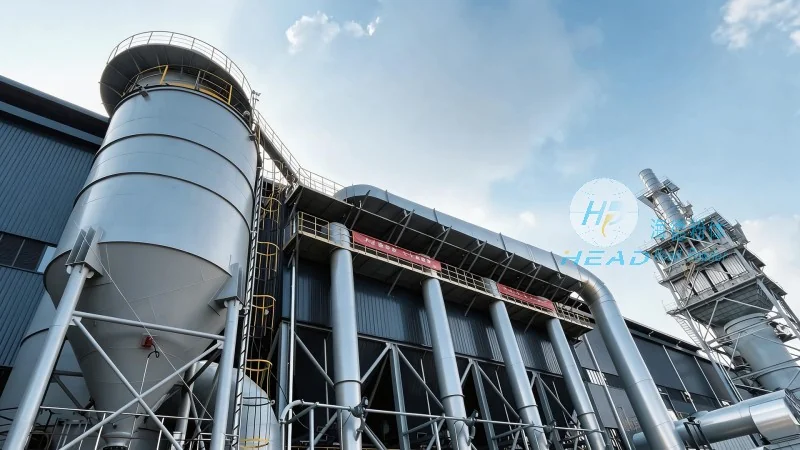
Mechanical Conveyors: Such as belt conveyors, screw conveyors, and bucket elevators. These systems rely on mechanical components to move materials. While effective for bulk materials, they may not be ideal for delicate seasonings due to the potential for product damage from friction and impact.
Vacuum Conveying: A type of pneumatic system that uses a vacuum to draw materials from a source to a destination. This method is suitable for short distances and gentle handling but may struggle with long runs or high material volumes.
Pressure Conveying: A pneumatic system that uses compressed air to push materials through a pipeline. This approach offers higher material flow rates and is suitable for longer distances, though it requires more energy and careful system design to prevent product degradation.
Pneumatic Conveying: The Preferred Solution for Powdered Seasonings
Pneumatic conveying systems, particularly pressure and vacuum types, have become the industry standard for transporting powdered seasonings. These systems use air or gas to move materials through a sealed pipeline, eliminating the need for direct product contact with mechanical parts. The key advantages of pneumatic conveying for powdered seasonings include:
Product Integrity Preservation: By moving materials in a sealed environment, pneumatic systems prevent exposure to moisture, contaminants, and air, which helps maintain the flavor, aroma, and shelf life of the seasonings.
Gentle Handling: The air flow in the pipeline minimizes friction and impact, reducing the risk of product degradation, caking, or loss of potency.

Efficient and Flexible: Pneumatic systems can handle materials over long distances and through complex layouts, with the ability to integrate multiple transfer points and storage tanks.
Reduced Downtime and Maintenance: With fewer moving parts compared to mechanical conveyors, pneumatic systems typically require less maintenance and have lower downtime, improving overall operational efficiency.
Components of a Powdered Seasoning Pneumatic Conveying System
A typical pneumatic conveying system for powdered seasonings consists of several key components, each designed to optimize the handling process. These components include:

 Shandong Headpowder Engineering Co., Ltd.
 156-6277-7102(Quản lý Trương)
  0531-83386006
  Thành phố Tế Nam, Tỉnh Sơn Đông, Trung Quốc
Điện thoại
WeChatTư vấn
Lên đầu