Chuyên sâu trong lĩnh vực vật liệu rời công nghiệp, cung cấp giải pháp môi trường thông minh tích hợp cho phối trộn tự động, cấp liệu tập trung, khử lưu huỳnh và khử nitơ khô!
When it comes to transporting sintered ash, selecting the right conveying method is crucial for efficiency, cost-effectiveness, and operational safety. Sintered ash, a byproduct from industrial processes such as steel production, requires specialized handling due to its characteristics like high moisture content, abrasive nature, and potential for dust generation. This article explores common sintered ash conveying methods, with a focus on the advantages and applications of pneumatic conveying systems, while highlighting the expertise of Shandong HeadPowder Engineering Co., Ltd. in providing tailored solutions for ash management and transportation.

Understanding Sintered Ash and Its Conveying Challenges
Sintered ash, also known as sintered slag or sintered waste, is a solid material produced during the sintering process, which involves heating raw materials to a temperature below their melting point to fuse them into a porous, solid mass. This material often contains high levels of metal oxides, residual moisture, and fine particles, making it challenging to transport without specialized equipment. Traditional methods like gravity or mechanical conveyors may struggle with the abrasive properties of sintered ash, leading to equipment wear, blockages, and reduced efficiency. Pneumatic conveying, however, offers a more effective solution by using air to transport the material through a pipeline system, minimizing contact with machinery and reducing maintenance needs.
Common Sintered Ash Conveying Methods
Several methods are employed for sintered ash transportation, each with its own advantages and limitations. The primary categories include mechanical conveyors, pneumatic systems, and hybrid solutions. Mechanical conveyors, such as belt conveyors or screw conveyors, are widely used for bulk material handling but may not be suitable for sintered ash due to its abrasive nature and potential for dust generation. These systems often require frequent maintenance and can lead to material degradation over time. In contrast, pneumatic conveying systems use compressed air to move sintered ash through pipelines, offering a more flexible and efficient approach. Pneumatic systems can be further categorized into positive pressure, negative pressure, or a combination of both, depending on the application requirements.
Pneumatic Conveying Systems for Sintered Ash
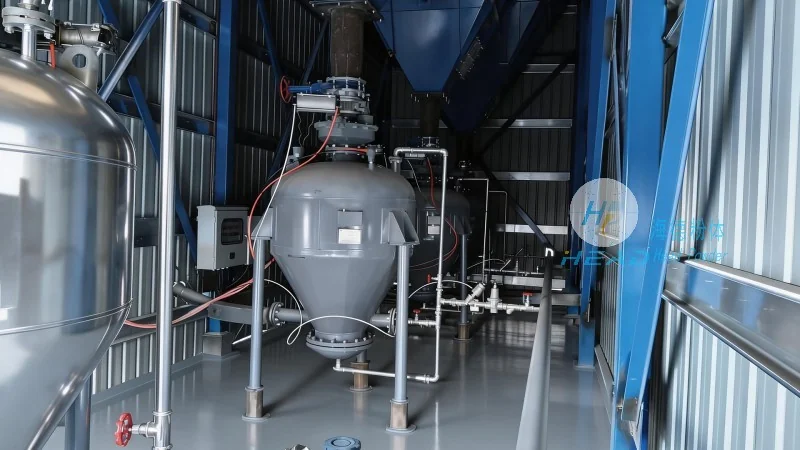
Pneumatic conveying is a preferred method for sintered ash due to its ability to handle fine particles, high moisture content, and abrasive materials. Positive pressure systems, where air is forced into the pipeline, are commonly used for long-distance or high-capacity conveying. These systems typically use a blower or compressor to generate the necessary air pressure, ensuring the material is transported efficiently without clogging. Negative pressure systems, on the other hand, use suction to draw the material into the pipeline, which is suitable for short-distance or low-capacity applications. Hybrid systems combine both positive and negative pressure elements to optimize performance for specific scenarios.
Key Components of Sintered Ash Pneumatic Conveying Systems
Effective sintered ash pneumatic conveying systems rely on several key components that work together to ensure smooth operation. The primary components include a material feeder, which introduces the sintered ash into the pipeline; a blower or compressor, which provides the necessary air pressure; a pipeline system, which transports the material; and a receiver or discharge unit, which collects the material at the destination. Additional components may include filters, cyclones, or dust collectors to manage air quality and prevent dust emissions. These components are designed to handle the abrasive nature of sintered ash, ensuring long service life and minimal maintenance.

Advantages of Pneumatic Conveying for Sintered Ash
Compared to traditional mechanical conveyors, pneumatic conveying offers several advantages for sintered ash transportation. One of the most significant benefits is the ability to handle fine particles and high moisture content without clogging or degradation. Pneumatic systems also provide a more hygienic and dust-free environment, reducing the risk of contamination and improving workplace safety. Additionally, pneumatic conveying can be more flexible, allowing for changes in the conveying route or capacity without major modifications to the system. The use of compressed air also enables the transportation of sintered ash over long distances with minimal energy loss, making it an energy-efficient option.
Applications of Sintered Ash Pneumatic Conveying
Sintered ash pneumatic conveying systems are widely used in various industrial applications, including steel production, power generation, and waste management. In steel plants, sintered ash is often transported from the sintering machine to storage facilities or processing units for further use or disposal. In power plants, sintered ash may be transported to ash handling systems for disposal or recycling. The flexibility of pneumatic systems allows them to be adapted to different plant layouts and operational requirements, making them a versatile solution for ash management.

Shandong HeadPowder Engineering Co., Ltd.: Expertise in Sintered Ash Conveying Solutions
Shandong HeadPowder Engineering Co., Ltd. specializes in providing customized sintered ash conveying solutions tailored to the specific needs of industrial clients. With years of experience in the field, the company understands the unique challenges associated with sintered ash transportation and offers a range of pneumatic conveying systems designed to meet these challenges. HeadPowder's solutions include positive pressure and negative pressure systems, as well as hybrid configurations, ensuring optimal performance for various applications. The company's expertise extends to the design, installation, and maintenance of conveying systems, providing comprehensive support to clients throughout the lifecycle of their equipment.
Conclusion
Sintered ash transportation requires specialized methods to ensure efficiency, safety, and cost-effectiveness. Pneumatic conveying systems, particularly positive and negative pressure configurations, offer a superior solution compared to traditional mechanical conveyors. By leveraging the expertise of companies like Shandong HeadPowder Engineering Co., Ltd., industrial facilities can implement effective sintered ash conveying systems that meet their operational requirements while minimizing maintenance and operational costs. As the demand for efficient ash management continues to grow, pneumatic conveying will remain a key technology in the industry, providing reliable and sustainable solutions for sintered ash transportation.

 Shandong Headpowder Engineering Co., Ltd.
 156-6277-7102(Quản lý Trương)
  0531-83386006
  Thành phố Tế Nam, Tỉnh Sơn Đông, Trung Quốc
Điện thoại
WeChatTư vấn
Lên đầu