Chuyên sâu trong lĩnh vực vật liệu rời công nghiệp, cung cấp giải pháp môi trường thông minh tích hợp cho phối trộn tự động, cấp liệu tập trung, khử lưu huỳnh và khử nitơ khô!
Alumina, a critical raw material in various industrial applications, requires efficient and reliable conveying methods to ensure smooth production processes. The choice of conveying system for alumina depends on factors such as material properties, production scale, and operational environment. This article explores common alumina conveying methods, with a focus on pneumatic conveying, and provides an overview of the technologies used by Shandong HeadPowder Engineering Co., Ltd. to optimize alumina handling in industrial settings.
Understanding Alumina and Its Conveying Requirements

Alumina, chemically known as aluminum oxide (Al₂O₃), is widely used in ceramics, refractories, and as a filler in various industries. Its properties, including high hardness, thermal stability, and chemical inertness, make it essential for applications ranging from high-temperature furnace linings to electronic components. However, the abrasive nature of alumina and its potential to cause dust explosions necessitate specialized conveying systems that ensure safety, efficiency, and minimal material degradation.
Common Alumina Conveying Methods
Several methods are employed for alumina transportation, each with distinct advantages and applications. The primary categories include pneumatic conveying, mechanical conveying, and hybrid systems. Pneumatic conveying, which uses air or other gases to transport material, is particularly suitable for fine powders like alumina due to its ability to handle high volumes and long distances with minimal equipment wear. Mechanical conveying, such as belt conveyors and screw conveyors, is often used for bulk or larger particulate materials but may be less effective for fine powders due to the risk of clogging and material degradation.
Pneumatic Conveying: The Preferred Method for Alumina Handling

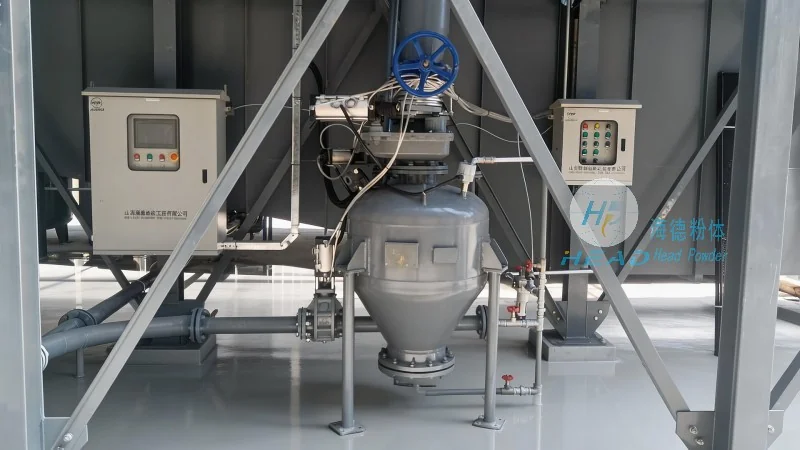
Pneumatic conveying is widely regarded as the most effective method for alumina transportation, especially in industrial settings where dust control and material integrity are paramount. This system operates by creating a pressure differential that propels the alumina particles through a pipeline using compressed air. Shandong HeadPowder Engineering Co., Ltd. specializes in designing and implementing advanced pneumatic conveying systems tailored to the specific needs of alumina processing facilities. Their expertise includes the selection of appropriate air velocities, pipeline diameters, and equipment such as rotary valves, cyclone separators, and dust collectors to ensure efficient and safe alumina handling.
Key Components of an Alumina Pneumatic Conveying System
An effective alumina pneumatic conveying system consists of several critical components that work in tandem to ensure optimal performance. The primary components include the material feed system, the conveying pipeline, and the material discharge and separation equipment. The feed system, typically a rotary valve or a star feeder, controls the flow of alumina into the pipeline, preventing blockages and ensuring a consistent feed rate. The pipeline itself is constructed from materials resistant to corrosion and abrasion, such as stainless steel or special alloys, to withstand the harsh conditions of alumina transport. At the discharge end, cyclone separators and dust collectors are used to separate the alumina from the air stream, allowing for safe and efficient material recovery while minimizing dust emissions.
Advantages of Pneumatic Conveying for Alumina
Compared to mechanical conveying, pneumatic conveying offers several advantages that make it the preferred choice for alumina handling. One of the most significant benefits is the ability to transport fine powders over long distances without the need for intermediate storage or transfer points. This reduces material handling costs and improves overall production efficiency. Additionally, pneumatic systems provide better dust control, as the material is contained within a sealed pipeline, minimizing the risk of dust explosions and environmental contamination. The flexibility of pneumatic systems also allows for easy integration with existing production lines, enabling seamless material flow from storage to processing equipment.
Applications of Alumina Pneumatic Conveying
Alumina pneumatic conveying systems are widely used in various industrial applications, including the production of refractory materials, ceramics, and aluminum. In refractory manufacturing, for example, alumina is transported from storage silos to mixing and grinding equipment, where it is combined with other raw materials to produce high-quality refractory products. In the ceramics industry, alumina is used as a filler or pigment, and pneumatic conveying ensures that the material is delivered to the production line in a consistent and controlled manner. The versatility of pneumatic conveying makes it suitable for a wide range of alumina applications, from small-scale laboratory operations to large-scale industrial production.
Conclusion
Efficient alumina conveying is essential for maintaining productivity and ensuring safety in industrial operations. Shandong HeadPowder Engineering Co., Ltd. provides comprehensive solutions for alumina handling, specializing in pneumatic conveying systems that meet the unique requirements of alumina processing facilities. By leveraging advanced technology and expertise, HeadPowder ensures that alumina is transported safely, efficiently, and with minimal material loss, supporting the success of their clients in various industries. With a focus on quality and innovation, HeadPowder continues to be a leader in alumina conveying solutions, helping businesses optimize their material handling processes and achieve their production goals.

 Shandong Headpowder Engineering Co., Ltd.
 156-6277-7102(Quản lý Trương)
  0531-83386006
  Thành phố Tế Nam, Tỉnh Sơn Đông, Trung Quốc
Điện thoại
WeChatTư vấn
Lên đầu