Chuyên sâu trong lĩnh vực vật liệu rời công nghiệp, cung cấp giải pháp môi trường thông minh tích hợp cho phối trộn tự động, cấp liệu tập trung, khử lưu huỳnh và khử nitơ khô!
Gravel aggregates, including expanded clay or lightweight aggregate, are widely used in construction, landscaping, and industrial applications. The efficient and reliable transportation of these materials from storage to processing or application sites is crucial for maintaining operational productivity and cost-effectiveness. Various conveying methods have been developed to handle gravel aggregates, each with distinct advantages and applications. This article explores common gravel aggregates conveying methods, with a focus on the pneumatic conveying system, a popular choice for modern material handling.
Overview of Gravel Aggregates and Conveying Needs
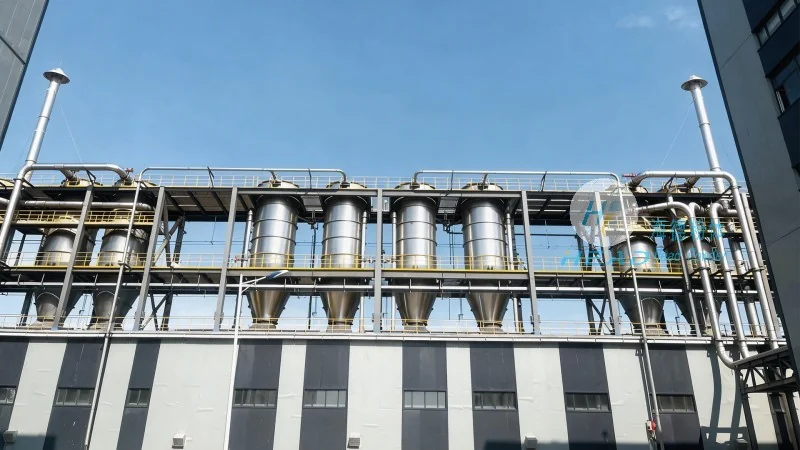
Gravel aggregates, such as expanded clay pellets or lightweight aggregates, are characterized by their lightweight, porous structure and varying particle sizes. These properties make them ideal for applications like lightweight concrete, insulation, and decorative landscaping. However, their handling requires specialized equipment due to their low density and potential for dust generation. Conveying systems must be designed to minimize material degradation, prevent clogging, and ensure consistent flow rates. The choice of conveying method depends on factors like material characteristics, distance, volume, and the need for dust control or environmental compliance.
Common Gravel Aggregates Conveying Methods
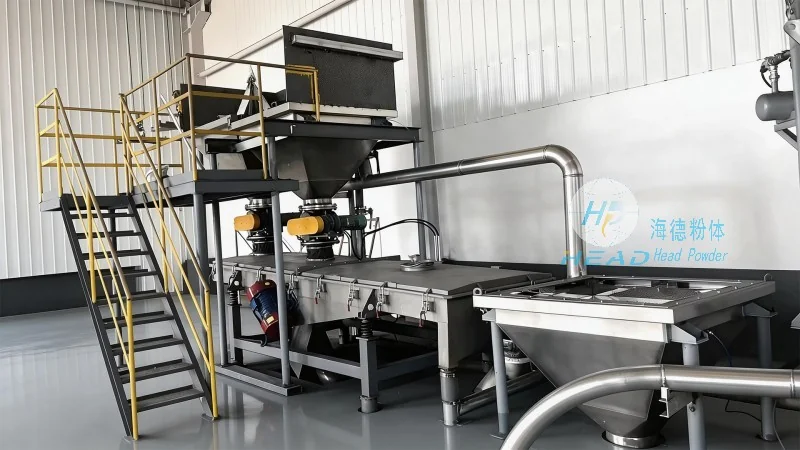
Several conveying methods are commonly employed for transporting gravel aggregates. These include mechanical systems like belt conveyors, screw conveyors, and bucket elevators, as well as pneumatic systems. Each method has specific applications and performance characteristics that make it suitable for different scenarios.
Belt Conveyors for Gravel Aggregates
Belt conveyors are widely used for horizontal or slightly inclined transport of gravel aggregates. They consist of a continuous belt that moves over rollers or pulleys, carrying the material from the source to the destination. Belt conveyors are suitable for long distances and high-volume applications, offering a cost-effective solution for transporting bulk materials. However, they may not be ideal for vertical transport or areas with limited space due to their relatively large footprint and the need for proper alignment to prevent material spillage or belt damage.
Screw Conveyors for Gravel Aggregates
Screw conveyors, also known as auger conveyors, use a rotating screw to move gravel aggregates through a trough. This method is effective for horizontal or gentle incline transport and is particularly useful for handling fine or cohesive materials. Screw conveyors are compact and can be installed in confined spaces, making them suitable for applications where space is limited. However, they may experience clogging with larger or irregularly shaped aggregates, and the power consumption can be higher compared to other mechanical systems.
Bucket Elevators for Gravel Aggregates
Bucket elevators are vertical or steeply inclined conveyors that use a series of buckets attached to a belt or chain to transport gravel aggregates. They are ideal for vertical transport over significant heights, such as in silos or storage towers. Bucket elevators can handle a wide range of material sizes and densities, making them versatile for various applications. However, they require regular maintenance to ensure the buckets and drive system operate smoothly, and they may not be suitable for very large or heavy aggregates due to the mechanical stress on the system.

Pneumatic Conveying Systems for Gravel Aggregates
Pneumatic conveying systems use air or gas to transport gravel aggregates through a pipeline. This method is particularly effective for handling fine or dusty materials, as it can minimize dust exposure and prevent material degradation. Pneumatic systems are available in two main types: dilute-phase and dense-phase. Dilute-phase systems use high-velocity air to suspend the material in the pipeline, while dense-phase systems use lower air velocity to move the material in a plug flow, reducing the risk of clogging and material degradation.
Advantages of Pneumatic Conveying for Gravel Aggregates
Pneumatic conveying offers several advantages for transporting gravel aggregates. One of the key benefits is the ability to handle fine or dusty materials without the need for additional dust control equipment. The system can also be designed to operate in a closed loop, reducing environmental impact and ensuring compliance with regulations. Additionally, pneumatic conveyors can be easily integrated with other processing equipment, such as storage silos or mixing plants, to create a seamless material handling process. The flexibility of pneumatic systems allows for easy adjustment of flow rates and material direction, making them suitable for complex layouts and varying operational needs.

Considerations for Selecting a Gravel Aggregates Conveying System
When selecting a conveying system for gravel aggregates, several factors must be considered to ensure optimal performance and cost-effectiveness. The first consideration is the material characteristics, including particle size, density, and moisture content. These factors influence the choice of system type and the required equipment specifications. The second factor is the distance and layout of the transport route, as different systems are better suited for horizontal, vertical, or combined transport. The third consideration is the required flow rate and capacity, which determines the system's size and power requirements. Finally, the need for dust control, environmental compliance, and integration with existing equipment should be evaluated to ensure the chosen system meets all operational and regulatory requirements.
Conclusion
Gravel aggregates are essential materials in various industries, and the efficient conveyance of these materials is critical for operational success. Various conveying methods are available, each with its own advantages and limitations. Mechanical systems like belt conveyors, screw conveyors, and bucket elevators are effective for specific applications, while pneumatic conveying systems offer unique benefits for handling fine or dusty materials. The choice of system depends on the specific requirements of the application, including material characteristics, transport distance, and operational needs. By carefully evaluating these factors, businesses can select the most suitable conveying system to enhance productivity, reduce costs, and ensure compliance with industry standards.

 Shandong Headpowder Engineering Co., Ltd.
 156-6277-7102(Quản lý Trương)
  0531-83386006
  Thành phố Tế Nam, Tỉnh Sơn Đông, Trung Quốc
Điện thoại
WeChatTư vấn
Lên đầu