Chuyên sâu trong lĩnh vực vật liệu rời công nghiệp, cung cấp giải pháp môi trường thông minh tích hợp cho phối trộn tự động, cấp liệu tập trung, khử lưu huỳnh và khử nitơ khô!
When it comes to transporting sugar, selecting the right conveying method is crucial for efficiency, cost-effectiveness, and product integrity. Various options exist, each with its own advantages and applications. This article explores common sugar conveying methods, with a focus on the benefits and applications of pneumatic conveying systems.

Overview of Sugar Conveying Methods
Sugar, whether in granular, powdered, or crystalline forms, requires specialized handling due to its hygroscopic nature and potential for dust generation. Traditional methods like belt conveyors, screw conveyors, and bucket elevators are widely used but may have limitations when dealing with fine or highly abrasive sugar products. Pneumatic conveying, on the other hand, offers a flexible and efficient solution for moving sugar from storage to processing or packaging areas.
Pneumatic Conveying Systems for Sugar Handling
Shandong HeadPowder Engineering Co., Ltd. specializes in designing and manufacturing advanced pneumatic conveying systems tailored for sugar processing industries. These systems utilize air pressure to transport sugar particles through pipelines, eliminating the need for mechanical components that can cause product degradation or contamination. The company’s expertise ensures that the systems are optimized for the specific characteristics of different sugar types, such as white sugar, brown sugar, or powdered sugar.

Advantages of Pneumatic Conveying for Sugar
One of the primary advantages of pneumatic conveying is its ability to handle fine or dusty sugar without the risk of clogging or product loss. Unlike mechanical conveyors, which may require frequent maintenance and cleaning, pneumatic systems maintain a closed environment, reducing the risk of contamination from external sources. Additionally, pneumatic conveying allows for gentle handling of sugar crystals, preserving their quality and preventing breakage during transport. This is particularly important for high-value sugar products where purity and texture are critical.
Components of a Sugar Pneumatic Conveying System
A typical sugar pneumatic conveying system consists of several key components, including a hopper for material storage, a rotary valve for controlled discharge, a conveying line with appropriate piping, and a receiver for the final product. The system may also include air filters, pressure regulators, and dust collection units to ensure safe and efficient operation. Shandong HeadPowder Engineering Co., Ltd. designs custom systems that integrate these components seamlessly, ensuring optimal performance and minimal downtime.
Applications in Sugar Processing
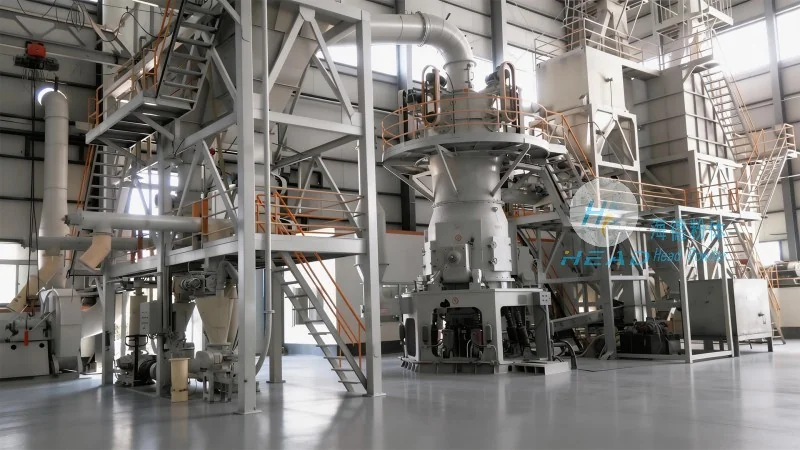
Pneumatic conveying is widely used in various stages of sugar processing, from raw material handling to final packaging. In sugar refineries, these systems transport raw sugar from storage silos to the refining process, where it is melted and processed. In sugar mills, pneumatic conveyors move refined sugar to packaging lines, ensuring a smooth and continuous flow. The flexibility of pneumatic systems also allows for the integration of multiple conveying lines, enabling the movement of different sugar products or byproducts within the same facility.
Considerations for Choosing a Conveying System
When selecting a sugar conveying system, several factors must be considered, including the type of sugar, the required conveying distance, and the desired capacity. For example, high-capacity systems may require larger pipelines and more powerful air compressors, while low-capacity systems can use smaller, more compact designs. The company’s engineers work closely with clients to assess their specific needs and recommend the most suitable system configuration. This includes evaluating factors such as the sugar's moisture content, particle size distribution, and potential for dust generation to ensure the system operates efficiently and safely.
Conclusion
Common sugar conveying methods include mechanical and pneumatic systems, with pneumatic conveying emerging as a preferred choice for many sugar processing facilities due to its efficiency, flexibility, and ability to handle sensitive sugar products. Shandong HeadPowder Engineering Co., Ltd. provides comprehensive solutions for sugar pneumatic conveying, leveraging advanced technology and industry expertise to meet the diverse needs of the sugar industry. By choosing the right conveying system, sugar manufacturers can enhance productivity, reduce costs, and maintain the quality of their products.

 Shandong Headpowder Engineering Co., Ltd.
 156-6277-7102(Quản lý Trương)
  0531-83386006
  Thành phố Tế Nam, Tỉnh Sơn Đông, Trung Quốc
Điện thoại
WeChatTư vấn
Lên đầu