Chuyên sâu trong lĩnh vực vật liệu rời công nghiệp, cung cấp giải pháp môi trường thông minh tích hợp cho phối trộn tự động, cấp liệu tập trung, khử lưu huỳnh và khử nitơ khô!
When it comes to transporting sawdust and wood chips, selecting the right conveying method is crucial for efficiency, cost-effectiveness, and operational reliability. Various options exist, each with its own set of advantages and limitations. This article explores the common sawdust and wood chip conveying methods, with a particular focus on the benefits and characteristics of pneumatic conveying systems.

Understanding Sawdust and Wood Chip Conveying Methods
Sawdust and wood chips are commonly used in various industries, including woodworking, paper manufacturing, and biomass energy production. The need to move these materials from one location to another efficiently drives the development of specialized conveying systems. Traditional methods like belt conveyors, screw conveyors, and bucket elevators have been widely used, but they may face challenges with material handling, especially when dealing with fine or lightweight particles like sawdust.
Traditional Conveying Methods for Sawdust and Wood Chips
Before delving into modern solutions, it's essential to understand the conventional conveying methods that have been in use for decades. Belt conveyors are widely used for transporting bulk materials over short to medium distances. They are relatively simple in design and can handle a wide range of material types. However, they may struggle with fine sawdust due to the risk of material bridging or clogging. Screw conveyors, also known as auger conveyors, use a rotating screw to move materials along a tube. They are effective for handling dry, free-flowing materials but can experience issues with material degradation or wear on the screw and housing, especially with abrasive wood chips.
Bucket Elevators and Their Limitations
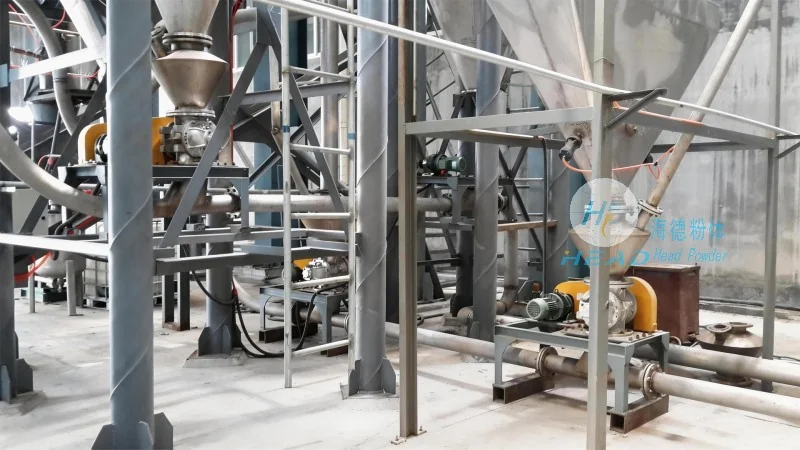
Bucket elevators are another traditional option, particularly suitable for vertical or inclined material transport. They consist of a continuous belt with attached buckets that carry the material upward. While effective for vertical lifting, bucket elevators can be less efficient for horizontal or long-distance transport and may suffer from material spillage or wear on the buckets and casing. For sawdust and wood chips, which are often lightweight and fine, these traditional systems may require additional measures to prevent material loss and ensure consistent flow.
Pneumatic Conveying: A Modern Solution for Sawdust and Wood Chip Transport
Pneumatic conveying systems have emerged as a preferred solution for transporting sawdust and wood chips due to their ability to handle fine, lightweight materials efficiently. Unlike traditional mechanical systems, pneumatic conveyors use air pressure to move materials through a pipeline. This method offers several advantages that make it ideal for applications where traditional conveyors may fall short.
Advantages of Pneumatic Conveying for Sawdust and Wood Chips
One of the key advantages of pneumatic conveying is its ability to handle fine and lightweight materials without the risk of clogging or bridging. The air flow ensures that even the smallest particles are carried through the system, maintaining consistent flow rates. This is particularly beneficial for sawdust, which can be prone to settling or sticking in traditional conveyors. Additionally, pneumatic systems can transport materials over longer distances and through multiple points of discharge without the need for complex mechanical components.
Another significant advantage is the reduced risk of material contamination and degradation. Traditional conveyors may cause friction or heat that can affect the quality of the sawdust or wood chips, especially if they are intended for use in sensitive applications like paper manufacturing or biomass energy. Pneumatic systems operate at lower temperatures and with less mechanical contact, preserving the integrity of the material.
Efficiency and cost-effectiveness are also major benefits. Pneumatic conveying systems can be more energy-efficient compared to mechanical systems, especially for long-distance or high-volume transport. They also require less maintenance, as there are fewer moving parts and less wear on components. This leads to lower operational costs and increased reliability over time.

Key Features of Pneumatic Conveying Systems
Modern pneumatic conveying systems for sawdust and wood chips typically include several key features that enhance performance and reliability. These features are designed to address the specific challenges of handling fine, lightweight materials.
First, the system includes a blower or compressor that generates the necessary air pressure to move the material. The air flow is controlled to ensure consistent and efficient transport, with adjustable pressure settings to accommodate different material types and distances. Second, the conveying line is often equipped with filters and cyclones to separate the material from the air, allowing for the collection of the sawdust or wood chips at the destination. This separation process is crucial for maintaining cleanliness and preventing material loss.
Third, the system may include various components such as in-line mixers, diverters, and check valves to control the flow direction and ensure smooth operation. These components help to prevent backflow and maintain the integrity of the material as it moves through the pipeline. Additionally, some systems use flexible hoses or flexible connectors to accommodate changes in the layout or to allow for easy maintenance without disrupting the entire system.

 Shandong Headpowder Engineering Co., Ltd.
 156-6277-7102(Quản lý Trương)
  0531-83386006
  Thành phố Tế Nam, Tỉnh Sơn Đông, Trung Quốc
Điện thoại
WeChatTư vấn
Lên đầu