

What are the Delivery Methods for Monosodium Glutamate? An Overview of the Advantages and Features o
Monosodium glutamate (MSG), a widely used flavor enhancer in the food industry, requires efficient and reliable delivery methods to ensure consistent quality and process efficiency. The choice of delivery method significantly impacts production line performance, safety, and cost-effectiveness. This article explores various delivery methods for monosodium glutamate, with a focus on the advantages and features of pneumatic conveying as a leading solution.

Traditional and Modern Conveying Techniques
Historically, monosodium glutamate has been transported using methods such as manual handling, bucket elevators, and belt conveyors. While these methods were common in earlier industrial settings, they often present challenges related to labor intensity, material contamination, and limited scalability. Modern production environments demand more sophisticated solutions that can handle high volumes with minimal human intervention.
Pneumatic Conveying: The Preferred Method for Monosodium Glutamate
Pneumatic conveying has emerged as the preferred method for monosodium glutamate delivery due to its ability to transport powders in a closed system, reducing exposure to contaminants and maintaining product integrity. This technology uses compressed air to move material through a network of pipes, ensuring a clean and hygienic process that aligns with industry standards for food-grade products.
Key Advantages of Pneumatic Conveying for Monosodium Glutamate
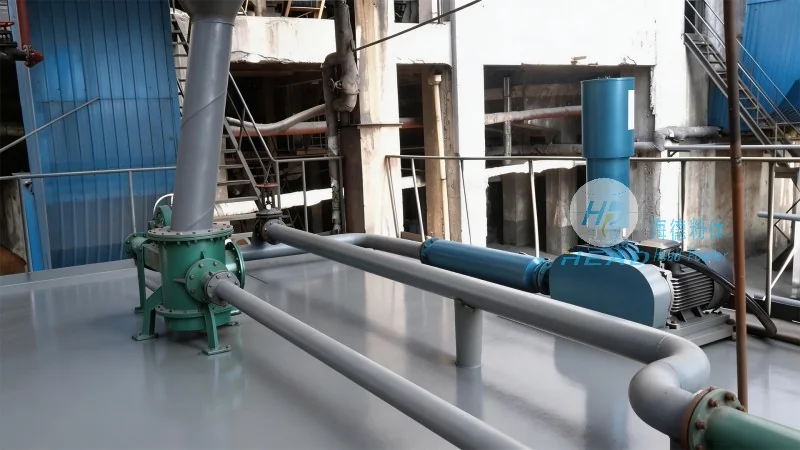
One of the primary advantages of pneumatic conveying for monosodium glutamate is its ability to handle fine powders without causing dust or caking. The closed system design minimizes dust emissions, which is crucial for maintaining a safe working environment and complying with environmental regulations. Additionally, pneumatic systems can transport materials over longer distances and through multiple processing stages without the need for intermediate storage or manual transfers.
Technical Features and Operational Benefits
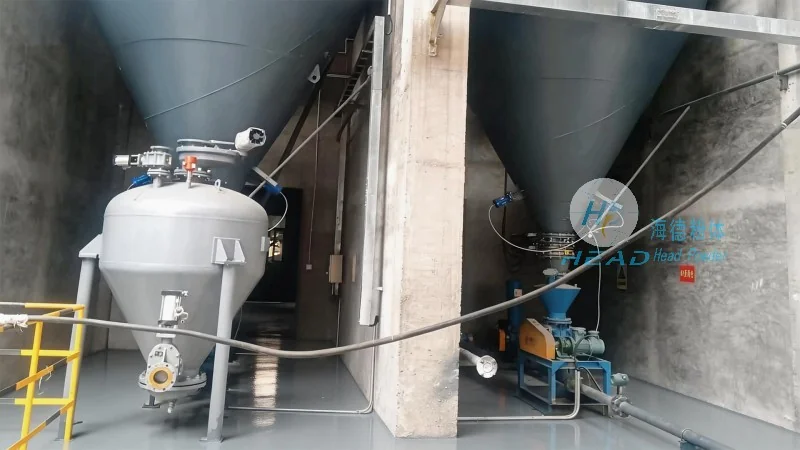
Technologically, pneumatic conveying systems for monosodium glutamate typically incorporate features such as positive pressure or negative pressure operation, depending on the specific application requirements. Positive pressure systems use compressed air to push material through the pipeline, while negative pressure systems use vacuum to draw material. These systems are equipped with specialized components like rotary valves, filters, and dust collectors to ensure efficient and reliable operation. The use of high-quality materials, such as stainless steel, in the construction of the conveying lines further enhances durability and resistance to corrosion, which is essential for handling monosodium glutamate in a food processing context.
Application Scenarios and Practical Considerations
The application of pneumatic conveying for monosodium glutamate is versatile and can be adapted to various production scales and layouts. For small-scale operations, compact pneumatic systems may be sufficient, while large-scale industrial facilities may require more extensive networks of pipelines and control systems. Practical considerations include the need for regular maintenance to prevent blockages or system failures, as well as the importance of monitoring air pressure and flow rates to optimize performance. Additionally, the design of the conveying system must consider the specific characteristics of monosodium glutamate, such as its particle size and moisture content, to ensure efficient transport without degradation of the product.
Conclusion and Company Information
In conclusion, the selection of an appropriate delivery method for monosodium glutamate is critical to the success of food processing operations. Pneumatic conveying offers a superior solution compared to traditional methods, providing benefits such as hygiene, efficiency, and scalability. Shandong HeadPowder Engineering Co., Ltd., a leading provider of engineering solutions for the food industry, specializes in designing and implementing pneumatic conveying systems tailored to the unique needs of monosodium glutamate production. With a focus on quality and innovation, the company ensures that its systems meet the highest standards for safety, performance, and reliability. Based in Shandong, China, HeadPowder Engineering continues to advance the technology of monosodium glutamate delivery, supporting the global food industry in maintaining high-quality production processes.