Chuyên sâu trong lĩnh vực vật liệu rời công nghiệp, cung cấp giải pháp môi trường thông minh tích hợp cho phối trộn tự động, cấp liệu tập trung, khử lưu huỳnh và khử nitơ khô!
When it comes to transporting stone powder, selecting the right method is crucial for efficiency, cost-effectiveness, and operational safety. There are several common approaches used in industrial settings, each with its own set of advantages and limitations. Understanding these options helps businesses choose the most suitable solution for their specific needs. In this article, we will explore the primary methods of stone powder conveyance and highlight the benefits of pneumatic conveying as a leading technology.
Traditional Conveying Methods
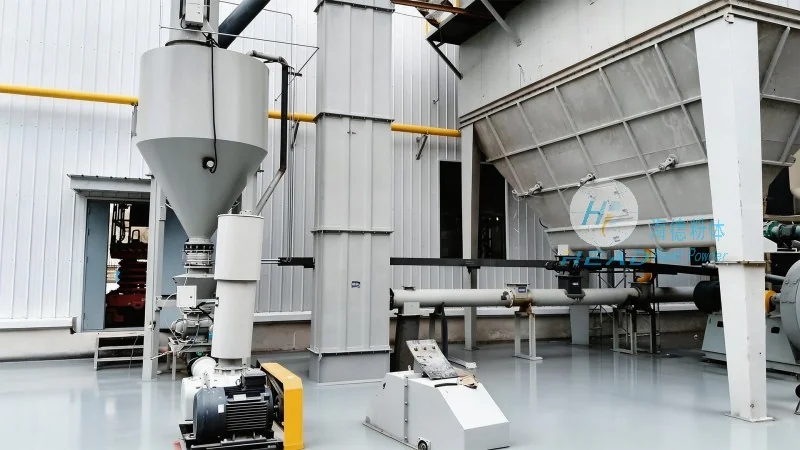
Traditional stone powder conveying often relies on mechanical systems such as belt conveyors, screw conveyors, and bucket elevators. These methods are widely used due to their simplicity and relatively low initial investment. Belt conveyors, for instance, are effective for horizontal or slightly inclined transport, while screw conveyors excel in vertical or inclined applications. However, these systems have notable drawbacks, particularly when dealing with fine powders like stone powder. Dust generation, material degradation, and blockages are common issues that can lead to operational inefficiencies and increased maintenance costs.
Pneumatic Conveying: A Modern Solution
Pneumatic conveying, also known as air-based transport, offers a more advanced alternative to traditional methods. This technology uses compressed air to move material through a pipeline system, eliminating the need for mechanical components that can cause wear and tear. The core components of a pneumatic conveying system include a blower, a hopper for material storage, and a pipeline network. As stone powder is fed into the system, it is entrained by the air stream and transported to the destination. This process is particularly effective for handling fine powders, as it minimizes dust and prevents material degradation.

Key Advantages of Pneumatic Conveying for Stone Powder
One of the most significant advantages of pneumatic conveying is its ability to handle fine and abrasive materials without causing damage. Unlike mechanical systems that may crush or degrade the powder, pneumatic transport maintains the material's integrity, which is critical for applications where the powder's quality is paramount. Additionally, this method significantly reduces dust exposure, improving workplace safety and compliance with environmental regulations. The lack of moving parts also translates to lower maintenance requirements and longer equipment lifespan, leading to cost savings over time.

Types of Pneumatic Conveying Systems
There are two main categories of pneumatic conveying systems: pressure and vacuum. Pressure systems use a positive pressure blower to push material through the pipeline, making them suitable for long-distance or high-rise applications. Vacuum systems, on the other hand, use a negative pressure blower to draw material into the system, which is ideal for short-distance or horizontal transport. For stone powder, pressure systems are often preferred due to their higher material capacity and ability to handle more abrasive materials. However, vacuum systems can be more energy-efficient for shorter distances.
Application Examples
Pneumatic conveying is widely used in various industries that handle stone powder, including construction, mining, and chemical processing. In construction, it is commonly employed to transport cement, sand, and other fine aggregates to different parts of a building site. In mining operations, it helps move crushed stone and other materials from processing plants to storage facilities. The chemical industry also benefits from this technology when handling additives or fillers that require precise control and minimal contamination.

 Shandong Headpowder Engineering Co., Ltd.
 156-6277-7102(Quản lý Trương)
  0531-83386006
  Thành phố Tế Nam, Tỉnh Sơn Đông, Trung Quốc
Điện thoại
WeChatTư vấn
Lên đầu