Chuyên sâu trong lĩnh vực vật liệu rời công nghiệp, cung cấp giải pháp môi trường thông minh tích hợp cho phối trộn tự động, cấp liệu tập trung, khử lưu huỳnh và khử nitơ khô!
Metallurgical coke is a critical raw material in the steelmaking process, and its efficient transportation is essential for maintaining production efficiency and reducing operational costs. Various methods are employed for coke conveyance, each with its own set of advantages and limitations. This article provides an overview of the primary methods used for metallurgical coke transportation, with a particular focus on the benefits and characteristics of pneumatic conveying systems.
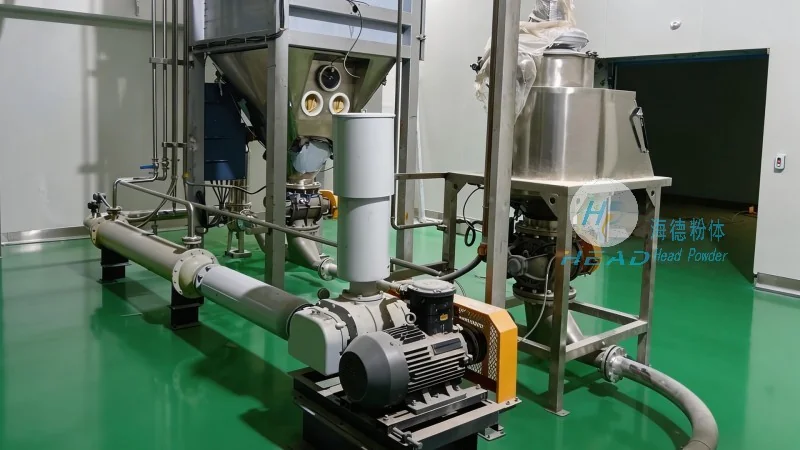
Different Conveying Methods for Metallurgical Coke
Conveying metallurgical coke involves several approaches, including mechanical systems like belt conveyors, screw conveyors, and bucket elevators, as well as pneumatic systems. Each method has specific applications based on factors such as the distance to be covered, the volume of coke to be moved, and the environmental conditions at the site.
Pneumatic Conveying: The Preferred Solution for Many Applications

Among the various options, pneumatic conveying stands out as a highly effective method for transporting metallurgical coke. This technology uses air or other gases to move the material through a pipeline system, eliminating the need for mechanical components that can wear out or require frequent maintenance. The advantages of pneumatic conveying for metallurgical coke are numerous and significant.
Key Advantages of Pneumatic Conveying for Metallurgical Coke
One of the most notable benefits of pneumatic conveying is its ability to handle abrasive materials like metallurgical coke without causing excessive wear on the system components. The enclosed pipeline system also prevents dust emissions, which is crucial for maintaining a clean and safe working environment. Additionally, pneumatic systems can transport coke over long distances with minimal energy consumption compared to other mechanical methods.

Features and Technical Specifications of Pneumatic Conveying Systems
Modern pneumatic conveying systems for metallurgical coke are designed with advanced features to ensure optimal performance. These systems typically include components such as rotary airlocks, cyclone separators, and pressure vessels, which work together to maintain consistent flow rates and prevent material buildup. The use of high-quality materials, such as stainless steel or special alloys, further enhances the durability and longevity of the equipment.
Application Examples and Case Studies
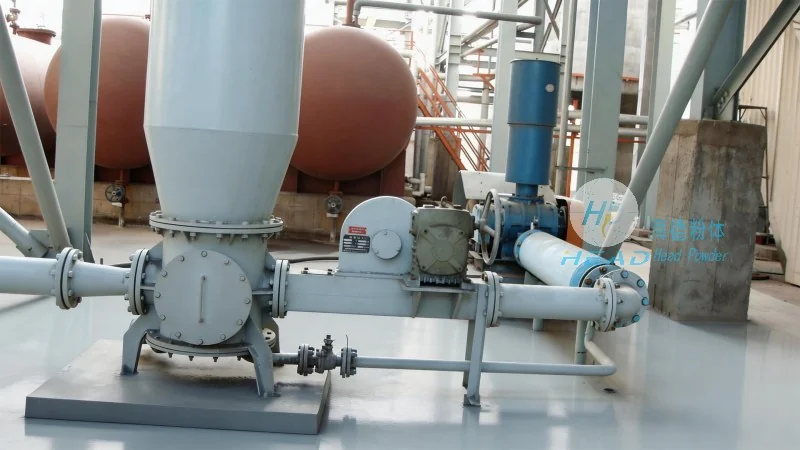
Companies like Shandong HeadPowder Engineering Co., Ltd., based in China, specialize in the design and installation of pneumatic conveying systems for metallurgical coke. Their expertise in the field has enabled them to provide customized solutions tailored to the specific needs of their clients. For instance, a client in the steel industry required a system to transport coke from a storage silo to a blast furnace over a distance of 500 meters. The HeadPowder team designed a high-pressure pneumatic system that met all the client's requirements, ensuring reliable and efficient operation.
Conclusion: Choosing the Right Conveying Method
When selecting a conveying method for metallurgical coke, it is essential to consider factors such as the material's properties, the distance to be covered, and the operational environment. While mechanical systems may be suitable for short distances and low volumes, pneumatic conveying offers superior performance for long-distance and high-volume applications. By understanding the advantages and features of each method, industrial facilities can make informed decisions that optimize their operations and reduce costs.

 Shandong Headpowder Engineering Co., Ltd.
 156-6277-7102(Quản lý Trương)
  0531-83386006
  Thành phố Tế Nam, Tỉnh Sơn Đông, Trung Quốc
Điện thoại
WeChatTư vấn
Lên đầu