Chuyên sâu trong lĩnh vực vật liệu rời công nghiệp, cung cấp giải pháp môi trường thông minh tích hợp cho phối trộn tự động, cấp liệu tập trung, khử lưu huỳnh và khử nitơ khô!
When it comes to transporting lysine, a critical amino acid widely used in animal feed and other industrial applications, selecting the right conveying method is essential for efficiency, cost-effectiveness, and product integrity. Among the various options available, pneumatic conveying stands out as a preferred solution for many industries. This article explores the different lysine conveying methods and highlights the key advantages and features of pneumatic lysine transport, providing insights into why it has become a popular choice for handling lysine in bulk. The insights shared here are derived from the expertise of Shandong HeadPowder Engineering Co., Ltd., a company specializing in advanced material handling technologies.
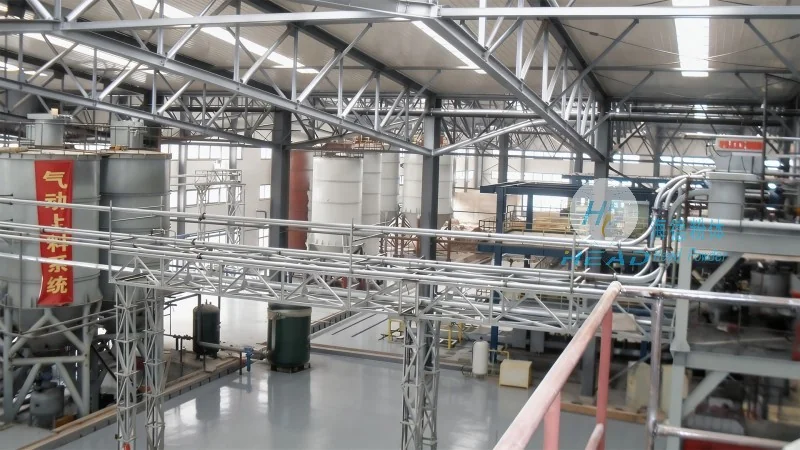
Introduction to Lysine Conveying Methods
Lysine is a vital component in the production of high-quality animal feed, pharmaceuticals, and other biochemical products. The process of moving lysine from storage to processing units requires careful consideration of factors such as material properties, handling requirements, and operational costs. Traditional conveying methods, including belt conveyors and screw conveyors, have been used for decades but may present challenges when dealing with fine powders like lysine. These challenges can include material degradation, blockages, and increased maintenance needs. In response, advanced conveying technologies have emerged, with pneumatic conveying being one of the most effective solutions for lysine transport.
Pneumatic Lysine Conveying: How It Works
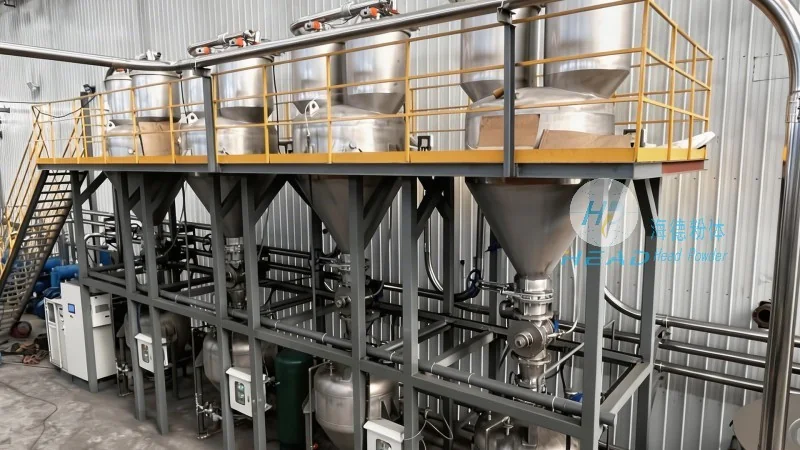
Pneumatic conveying uses air or other gases to transport materials through a pipeline system. In the case of lysine, this method involves creating a pressure differential to move the powder from the source to the destination. There are two main types of pneumatic conveying systems: pressure and vacuum. Pressure systems use compressed air to push the material through the pipeline, while vacuum systems use a vacuum to pull the material. Both systems can be adapted to handle lysine, with the choice depending on the specific application and the distance the material needs to travel.
Advantages of Pneumatic Lysine Conveying
One of the primary advantages of pneumatic lysine conveying is its ability to handle fine powders without causing degradation or contamination. Unlike mechanical conveyors that can generate heat or friction, pneumatic systems maintain a controlled environment, preserving the quality of the lysine. This is particularly important for lysine, which is sensitive to moisture and temperature changes. Additionally, pneumatic conveying offers high efficiency and flexibility. It can transport lysine over long distances with minimal loss, and the system can be easily adjusted to accommodate varying production volumes. The modular design of pneumatic conveying systems also allows for easy expansion or reconfiguration as production needs change.
Key Features of Pneumatic Lysine Conveying Systems

Modern pneumatic lysine conveying systems are equipped with several features that enhance their performance and reliability. These include: 1. Durable Material Handling Components - Components such as hoses, pipes, and valves are made from materials resistant to lysine and other chemicals, ensuring long service life. 2. Advanced Control Systems - Automated control systems allow for precise regulation of air pressure and flow, optimizing the conveying process and reducing energy consumption. 3. Integrated Dust Collection - Many systems incorporate dust collection units to minimize environmental impact and maintain a clean working environment. 4. Low Maintenance Requirements - Compared to traditional mechanical conveyors, pneumatic systems have fewer moving parts, resulting in lower maintenance costs and downtime.
Applications of Pneumatic Lysine Conveying
Pneumatic lysine conveying is widely used in various industries, including animal feed manufacturing, pharmaceutical production, and chemical processing. In animal feed plants, it is used to transport lysine from storage silos to mixing and blending units. In pharmaceutical facilities, it helps move lysine for formulation and packaging. The versatility of pneumatic systems makes them suitable for both large-scale and small-scale operations, making them a cost-effective solution for many businesses.
Conclusion
When considering lysine conveying methods, pneumatic transport offers significant advantages in terms of efficiency, product quality, and operational flexibility. By leveraging advanced technology and careful system design, companies can ensure reliable and cost-effective transport of lysine. As the demand for lysine continues to grow, the adoption of pneumatic conveying systems will likely increase, further solidifying its role as a preferred solution in the industry. Shandong HeadPowder Engineering Co., Ltd. remains committed to providing innovative solutions that meet the evolving needs of the lysine handling industry.

 Shandong Headpowder Engineering Co., Ltd.
 156-6277-7102(Quản lý Trương)
  0531-83386006
  Thành phố Tế Nam, Tỉnh Sơn Đông, Trung Quốc
Điện thoại
WeChatTư vấn
Lên đầu