Chuyên sâu trong lĩnh vực vật liệu rời công nghiệp, cung cấp giải pháp môi trường thông minh tích hợp cho phối trộn tự động, cấp liệu tập trung, khử lưu huỳnh và khử nitơ khô!
When it comes to the handling and transportation of sodium nitrate, selecting the right conveying method is crucial for ensuring efficiency, safety, and cost-effectiveness in industrial operations. Sodium nitrate, a white crystalline solid widely used in agriculture, food preservation, and industrial applications, requires specialized handling due to its properties such as hygroscopicity and potential reactivity under certain conditions. The choice of conveying method directly impacts the overall performance of the material handling system, affecting factors like material flow rate, energy consumption, and equipment maintenance. In this article, we will explore the various methods of sodium nitrate conveying and delve into the advantages and features of air-flow conveying, a popular and effective solution for transporting this chemical.

Common Methods of Sodium Nitrate Conveying
Before discussing the specific advantages of air-flow conveying, it is essential to understand the primary methods used for transporting sodium nitrate in industrial settings. These methods can be broadly categorized into mechanical and pneumatic systems, each with its own set of applications and limitations.
One of the most traditional methods is the use of screw conveyors or auger conveyors. These systems utilize rotating screws to move the material along a tube or trough. While effective for handling bulk materials like sodium nitrate, screw conveyors have limitations, particularly when dealing with hygroscopic or sticky materials. The constant friction and contact with the conveyor surface can lead to material degradation or blockages, especially if the material becomes overly moist or adheres to the screw. Additionally, the design of screw conveyors may not be suitable for high-volume or long-distance transportation, as they can experience significant wear and tear over time.
Another common method is the use of belt conveyors. These systems employ a continuous belt that moves the material from one point to another, often supported by rollers or idlers. Belt conveyors are widely used in various industries for transporting bulk materials, including sodium nitrate. However, they also have drawbacks, such as the risk of material spillage, especially when handling fine or powdery substances. The maintenance of belt conveyors can be costly, as the belts themselves require regular replacement and the system may be prone to mechanical failures. Furthermore, belt conveyors may not be suitable for vertical or steep incline applications without significant modifications, which can increase the complexity and cost of the system.
For applications requiring more specialized handling, pneumatic conveying systems, including air-flow conveying, have become increasingly popular. Pneumatic systems use air or other gases to transport materials through a pipeline. This method is particularly effective for handling fine powders and granules, such as sodium nitrate, as it minimizes direct contact between the material and the conveying equipment. The primary advantage of pneumatic conveying is its ability to transport materials over long distances and at high speeds, with minimal degradation or loss of material quality. However, the choice between different pneumatic conveying methods, such as pressure or vacuum systems, depends on the specific requirements of the application.
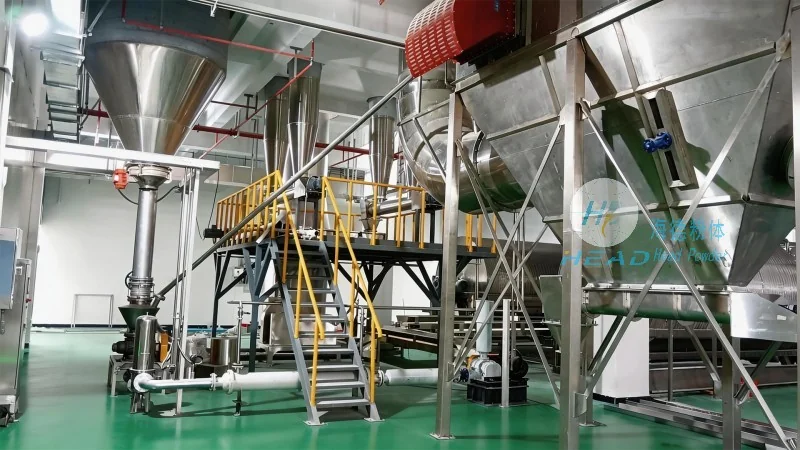
The Advantages of Air-Flow Conveying for Sodium Nitrate
Air-flow conveying, also known as pneumatic conveying, is a highly efficient method for transporting sodium nitrate, offering several key advantages that make it a preferred choice for many industrial applications. The core principle of air-flow conveying involves the use of a fan or blower to generate airflow within a pipeline, which then carries the sodium nitrate particles through the system. This method is particularly effective for handling hygroscopic materials like sodium nitrate, as it minimizes exposure to moisture and reduces the risk of material clumping or degradation.
One of the most significant advantages of air-flow conveying is its ability to handle materials with high moisture content or those that are prone to caking. Unlike mechanical systems that rely on direct contact with the material, air-flow conveying uses the force of the air to move the particles, reducing the risk of material buildup or blockages. This is particularly important for sodium nitrate, which can absorb moisture from the air and form lumps if not handled properly. The pneumatic system can effectively break up these lumps and transport the material without causing further degradation.
Another key advantage is the flexibility and adaptability of air-flow conveying systems. These systems can be easily integrated into existing industrial setups, allowing for the transportation of sodium nitrate from various sources to different destinations within a facility. The modular design of pneumatic conveying equipment enables customization based on the specific needs of the application, such as the required flow rate, distance, or material characteristics. This flexibility makes air-flow conveying a versatile solution for a wide range of industrial processes.
Energy efficiency is another critical factor that makes air-flow conveying an attractive option for sodium nitrate transportation. Compared to mechanical systems like screw or belt conveyors, pneumatic systems can achieve higher material throughput with lower energy consumption. The use of air as the conveying medium reduces the need for moving parts and mechanical components, which can lead to lower maintenance costs and longer equipment lifespan. Additionally, the ability to adjust the airflow rate allows for precise control over the material flow, optimizing energy usage and reducing waste.
Furthermore, air-flow conveying offers enhanced safety features compared to traditional mechanical systems. The enclosed pipeline design minimizes the risk of material spillage or dust exposure, which is particularly important when handling sodium nitrate, as it can be a respiratory irritant and cause skin irritation. The system also reduces the risk of mechanical hazards, such as entanglement or pinch points, which are common in screw or belt conveyors. This improved safety profile makes air-flow conveying a preferred choice for facilities that prioritize worker safety and environmental protection.
Key Features of Air-Flow Conveying Systems for Sodium Nitrate

When considering air-flow conveying for sodium nitrate, several key features should be evaluated to ensure optimal performance and efficiency. These features include the type of conveying system (pressure or vacuum), the material of construction, and the control mechanisms used to regulate the flow.
Pressure air-flow conveying systems use a positive pressure to push the material through the pipeline. This method is suitable for short to medium-distance transportation and is commonly used when the material needs to be transported from a central storage area to processing equipment. The pressure system typically involves a blower or compressor that generates the necessary airflow, ensuring consistent material movement. However, pressure systems may require higher energy input and can be more complex to maintain, as they need to handle higher pressures and potential material buildup in the pipeline.
Vacuum air-flow conveying systems, on the other hand, use a negative pressure to draw the material into the pipeline. This method is ideal for long-distance transportation or when the material needs to be collected from multiple points and transported to a central location. The vacuum system typically involves a vacuum pump that creates the suction force, allowing for the efficient collection and transportation of sodium nitrate. Vacuum systems are often more energy-efficient for long-distance applications and can handle materials with higher moisture content or larger particle sizes. However, they may require additional equipment, such as filters and cyclones, to prevent material loss and maintain system efficiency.
The material of construction is another critical factor in air-flow conveying systems. Since sodium nitrate is a hygroscopic material that can react with certain metals, the conveying equipment must be made from materials that are resistant to corrosion and chemical reactions. Common materials include stainless steel, polyethylene, and other corrosion-resistant alloys. These materials ensure that the sodium nitrate does not come into contact with substances that could degrade its quality or cause equipment damage. The choice of material also affects the overall durability and lifespan of the system, as it must withstand the abrasive nature of the material and the continuous airflow.

 Shandong Headpowder Engineering Co., Ltd.
 156-6277-7102(Quản lý Trương)
  0531-83386006
  Thành phố Tế Nam, Tỉnh Sơn Đông, Trung Quốc
Điện thoại
WeChatTư vấn
Lên đầu