Chuyên sâu trong lĩnh vực vật liệu rời công nghiệp, cung cấp giải pháp môi trường thông minh tích hợp cho phối trộn tự động, cấp liệu tập trung, khử lưu huỳnh và khử nitơ khô!
When it comes to transporting silica fume, selecting the right method is crucial for efficiency and safety in industrial applications. Silica fume, also known as microsilica, is a fine powder with high reactivity, commonly used in concrete and other construction materials. The choice of conveying system directly impacts the performance and reliability of the entire production process. This article will explore the primary methods of silica fume conveyance, with a focus on the benefits and characteristics of pneumatic conveying, a widely adopted approach in the industry.
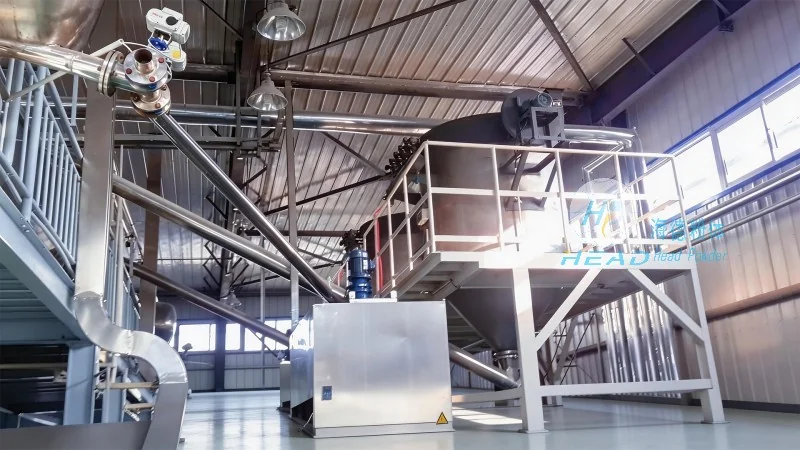
Understanding Silica Fume and Its Conveying Challenges
Silica fume is a byproduct of silicon metal or ferrosilicon production, characterized by its extremely fine particle size and high moisture content. These properties make traditional bulk material handling methods, such as belt conveyors or screw conveyors, less effective due to issues like dust generation, clogging, and material degradation. The fine nature of silica fume requires specialized equipment that can handle low bulk densities and prevent particle agglomeration during transport. Consequently, pneumatic conveying has emerged as a preferred solution for its ability to handle fine powders with precision and minimal environmental impact.
Pneumatic Conveying: A Comprehensive Overview
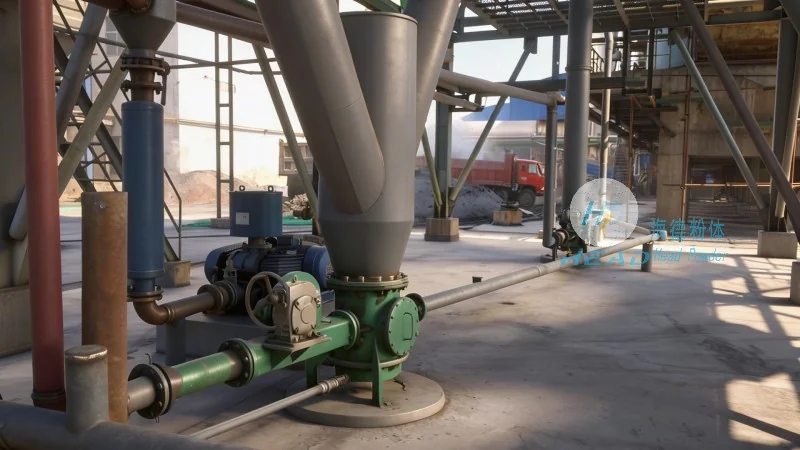
Pneumatic conveying systems utilize air or other gases to transport bulk materials through a pipeline network. In the context of silica fume, this method involves creating a flow of air that carries the powder particles from the source to the destination. There are two main types of pneumatic conveying: pressure and vacuum systems. Pressure systems use positive pressure to push the material through the pipeline, while vacuum systems use negative pressure to draw the material. Both systems offer advantages tailored to specific operational needs, such as material handling capacity, distance, and system complexity.
Key Advantages of Pneumatic Conveying for Silica Fume
One of the most significant advantages of pneumatic conveying for silica fume is its ability to handle fine, abrasive powders without causing damage to the material or the conveying equipment. The gentle handling reduces the risk of particle breakdown or agglomeration, which can affect the quality of the final product. Additionally, pneumatic systems are highly efficient in terms of energy consumption, as they can transport large volumes of material over long distances with minimal power requirements. This efficiency translates to cost savings and reduced operational expenses for manufacturers.
Another critical benefit is the environmental protection aspect. Pneumatic conveying systems are designed to minimize dust emissions and ensure compliance with air quality regulations. By containing the material within a sealed pipeline, the system prevents airborne dust from contaminating the surrounding environment, which is particularly important in industrial settings where air quality is a concern. This feature also enhances workplace safety by reducing exposure to fine particles that can cause respiratory issues.
Operational Flexibility and System Integration
Pneumatic conveying systems offer high flexibility in terms of layout and integration with other industrial processes. They can be easily adapted to existing production lines or new installations, allowing for modular expansion as production needs change. The ability to connect multiple points of material origin and destination within a single pipeline network enables efficient material routing and reduces the need for multiple handling equipment. This flexibility is especially valuable in facilities where silica fume is used in various applications, such as concrete production, refractory materials, and specialty chemicals.
Considerations for Implementing Pneumatic Conveying Systems

While pneumatic conveying offers numerous advantages, there are important considerations to ensure optimal performance. The design of the system must account for the specific properties of silica fume, including particle size distribution, moisture content, and bulk density. Proper selection of components, such as air compressors, pipelines, and valves, is essential to prevent system inefficiencies or failures. Regular maintenance and monitoring are also critical to maintain the system's reliability and extend its operational lifespan.
Conclusion
In summary, pneumatic conveying stands out as a highly effective method for transporting silica fume, offering advantages in material handling efficiency, environmental protection, and operational flexibility. As a leading provider in the field, Shandong HeadPowder Engineering Co., Ltd. specializes in designing and manufacturing advanced pneumatic conveying systems tailored to the unique needs of silica fume applications. With a commitment to quality and innovation, HeadPowder ensures that its solutions meet the highest industry standards, providing reliable and efficient material transport for clients worldwide.

 Shandong Headpowder Engineering Co., Ltd.
 156-6277-7102(Quản lý Trương)
  0531-83386006
  Thành phố Tế Nam, Tỉnh Sơn Đông, Trung Quốc
Điện thoại
WeChatTư vấn
Lên đầu