Chuyên sâu trong lĩnh vực vật liệu rời công nghiệp, cung cấp giải pháp môi trường thông minh tích hợp cho phối trộn tự động, cấp liệu tập trung, khử lưu huỳnh và khử nitơ khô!
Waste management is a critical aspect of urban and industrial operations, and efficient waste conveying plays a pivotal role in the overall waste processing chain. Various methods are employed to transport waste from collection points to treatment or disposal facilities. Among these, pneumatic conveying has emerged as a highly effective and versatile solution, offering numerous advantages over traditional methods. This article provides an overview of different waste conveying approaches and highlights the key benefits and characteristics of pneumatic conveying systems.
Common Waste Conveying Methods
Traditional waste conveying methods include gravity-based systems, mechanical systems like belt conveyors and screw conveyors, and hydraulic systems. Gravity systems rely on the natural slope of the waste to move it downward, which is suitable for short distances and specific waste types. Mechanical systems, such as belt conveyors, are widely used for bulk materials and can handle large volumes efficiently. Screw conveyors are effective for granular or powder materials but may experience issues with clogging and wear. Hydraulic systems use fluid power to move waste but are often limited by the need for specialized equipment and maintenance.
Pneumatic Conveying: A Modern Solution for Waste Handling
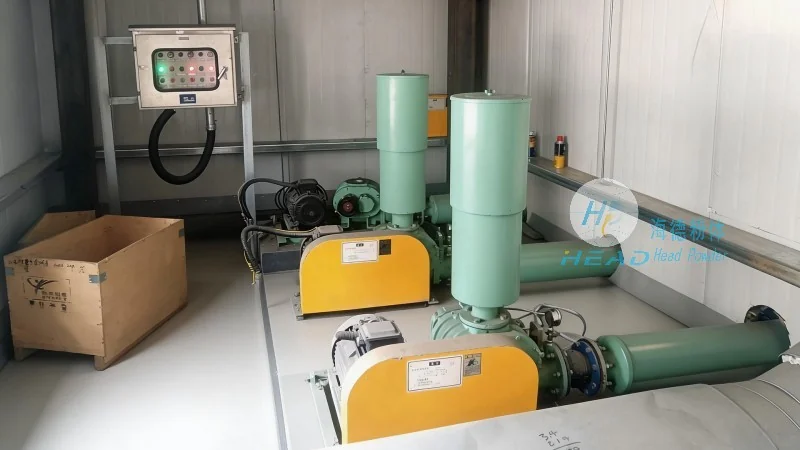
Pneumatic conveying, also known as air conveying, uses compressed air or gas to transport solid materials through a pipeline. This method is particularly suitable for waste management due to its ability to handle a wide range of waste types, including bulk, granular, and even fine powders. The system typically consists of a blower, a hopper for waste loading, a pipeline network, and a discharge point. The compressed air creates a flow that propels the waste particles through the pipeline, allowing for continuous and automated operation.

Key Advantages of Pneumatic Waste Conveying
One of the primary advantages of pneumatic conveying is its high efficiency and speed. Unlike mechanical systems that may require multiple components and maintenance, pneumatic systems can transport waste over long distances with minimal energy consumption. The absence of moving parts in the pipeline reduces wear and tear, leading to lower maintenance costs and longer system lifespans. Additionally, pneumatic conveying is highly flexible, as the pipeline layout can be easily modified to accommodate changes in waste flow or facility expansions.
Environmental and Safety Benefits
Environmental considerations are increasingly important in waste management, and pneumatic conveying offers several environmental advantages. Since the system operates without direct contact between the waste and the conveying medium, it minimizes the risk of contamination and odor spread. The enclosed pipeline design also reduces dust emissions, contributing to better air quality and compliance with environmental regulations. From a safety perspective, pneumatic systems eliminate the need for manual handling of waste, reducing the risk of injuries and exposure to hazardous materials.

Applications in Waste Processing
Pneumatic conveying is widely used in various stages of waste processing. In the collection phase, it can transport waste from bins to collection vehicles or transfer stations. During treatment, it is used to move waste from sorting facilities to composting or incineration plants. The system is also effective in handling waste from industrial sources, such as food processing or manufacturing, where different waste streams need to be separated and transported to appropriate treatment facilities.
Features and Customization Options
Modern pneumatic conveying systems offer several features that enhance their performance and adaptability. Variable speed blowers allow for precise control of the air flow, optimizing the conveying rate based on the waste type and pipeline length. The use of different pipe materials, such as stainless steel or plastic, ensures compatibility with various waste characteristics and environmental conditions. Additionally, advanced control systems can monitor the system's performance in real-time, providing alerts for maintenance or operational issues. Customization is another key aspect, as systems can be tailored to specific waste volumes, distances, and facility layouts, ensuring optimal efficiency.
Conclusion and Company Introduction
Waste conveying is a critical component of effective waste management, and pneumatic conveying stands out as a modern, efficient, and versatile solution. Its advantages in terms of speed, flexibility, and environmental impact make it an attractive choice for various applications. As a leading provider in the field, Shandong HeadPowder Engineering Co., Ltd. specializes in designing and manufacturing high-quality pneumatic conveying systems tailored to the unique needs of waste management operations. With a focus on innovation and customer satisfaction, HeadPowder offers comprehensive solutions that enhance the efficiency and sustainability of waste processing. Based in Shandong, China, the company leverages its expertise to deliver reliable and effective waste conveying systems that meet the evolving demands of the industry.

 Shandong Headpowder Engineering Co., Ltd.
 156-6277-7102(Quản lý Trương)
  0531-83386006
  Thành phố Tế Nam, Tỉnh Sơn Đông, Trung Quốc
Điện thoại
WeChatTư vấn
Lên đầu