Chuyên sâu trong lĩnh vực vật liệu rời công nghiệp, cung cấp giải pháp môi trường thông minh tích hợp cho phối trộn tự động, cấp liệu tập trung, khử lưu huỳnh và khử nitơ khô!
When it comes to transporting cereal products, selecting the right method is crucial for maintaining product quality, efficiency, and operational safety. Various transportation methods are available, each with its own set of advantages and limitations. This article explores the different types of cereal transportation, with a particular focus on the benefits and characteristics of pneumatic conveying systems.
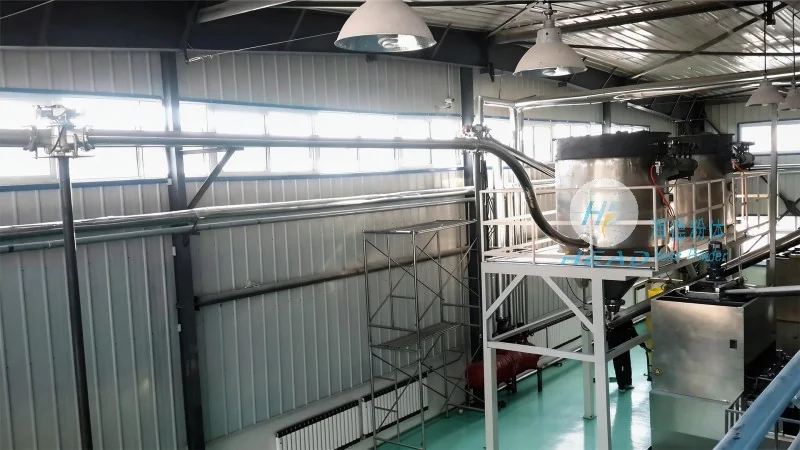
Overview of Common Cereal Transportation Methods
Traditional cereal transportation often relies on mechanical systems such as belt conveyors, screw conveyors, and bucket elevators. These methods are widely used due to their simplicity and relatively low initial costs. Belt conveyors, for instance, are effective for moving bulk cereals over short to medium distances, while screw conveyors are ideal for handling granular materials like oats or wheat. However, mechanical systems may introduce friction and potential contamination risks, especially when dealing with delicate or high-value products. Additionally, they require regular maintenance to ensure smooth operation and prevent downtime.
Pneumatic Conveying: A Modern Solution for Cereal Handling
Pneumatic conveying, also known as air conveying, represents a significant advancement in bulk material handling. This method uses compressed air to transport cereal products through a pipeline system. The primary advantage of pneumatic conveying is its ability to move materials without direct contact, which minimizes product degradation and contamination. Unlike mechanical systems, pneumatic conveyors can handle a wide range of cereal types, including powders, flakes, and whole grains, with minimal segregation or breakage. This makes them particularly suitable for sensitive products like breakfast cereals, where maintaining texture and quality is paramount.
Key Advantages of Pneumatic Cereal Conveying

One of the most notable benefits of pneumatic conveying is its high efficiency in terms of speed and throughput. By utilizing compressed air, materials can be transported at velocities that exceed those of mechanical systems, reducing overall handling time. This efficiency is further enhanced by the ability to integrate multiple conveying lines and control systems, allowing for automated and seamless material flow. Additionally, pneumatic systems offer excellent dust control, as the enclosed pipeline design prevents dust from escaping into the environment. This not only improves workplace safety but also complies with environmental regulations, making them a preferred choice for food processing facilities.
Purity and Hygiene in Pneumatic Conveying

For cereal products, maintaining purity and hygiene is non-negotiable. Pneumatic conveying systems are designed with stainless steel components and sealed pipelines, which prevent cross-contamination and ensure that the product remains clean throughout the transportation process. This is especially important in industries where product quality directly impacts consumer trust and regulatory compliance. The absence of moving parts in contact with the product also reduces the risk of mechanical damage, preserving the nutritional value and sensory attributes of the cereal.
Customization and Scalability of Pneumatic Systems
Another advantage of pneumatic conveying is its flexibility in terms of customization and scalability. Systems can be tailored to meet specific operational requirements, such as varying conveyor lengths, material types, or processing capacities. This adaptability makes pneumatic conveying suitable for both small-scale operations and large industrial facilities. Moreover, modern pneumatic systems incorporate advanced control technologies, allowing for real-time monitoring and adjustment of conveying parameters. This ensures optimal performance and minimizes energy consumption, contributing to cost savings over time.
Conclusion: Choosing the Right Cereal Transportation Method
When evaluating cereal transportation methods, businesses must consider factors such as product sensitivity, operational efficiency, and cost-effectiveness. While mechanical systems remain a viable option for certain applications, pneumatic conveying offers superior advantages in terms of product protection, hygiene, and flexibility. As the demand for high-quality cereal products continues to grow, the adoption of advanced pneumatic conveying systems is becoming increasingly common. Companies like Shandong HeadPowder Engineering Co., Ltd., based in Shandong, China, specialize in designing and manufacturing customized pneumatic conveying solutions that meet the unique needs of food processing industries. By investing in such systems, businesses can enhance their operational efficiency, maintain product integrity, and stay competitive in the market.

 Shandong Headpowder Engineering Co., Ltd.
 156-6277-7102(Quản lý Trương)
  0531-83386006
  Thành phố Tế Nam, Tỉnh Sơn Đông, Trung Quốc
Điện thoại
WeChatTư vấn
Lên đầu