Chuyên sâu trong lĩnh vực vật liệu rời công nghiệp, cung cấp giải pháp môi trường thông minh tích hợp cho phối trộn tự động, cấp liệu tập trung, khử lưu huỳnh và khử nitơ khô!
When it comes to the handling and transportation of catalyst powders, selecting the right conveying method is crucial for ensuring efficiency, safety, and product integrity. Catalyst powders are often used in industrial processes such as chemical reactions, and their proper transport is essential to maintain the quality and performance of the final products. HeadPowder, a leading provider of catalyst powder handling solutions, understands the importance of choosing the right conveying system. This article provides a detailed comparison of common catalyst powder conveying methods, highlighting their advantages and disadvantages to help industrial operators make informed decisions.
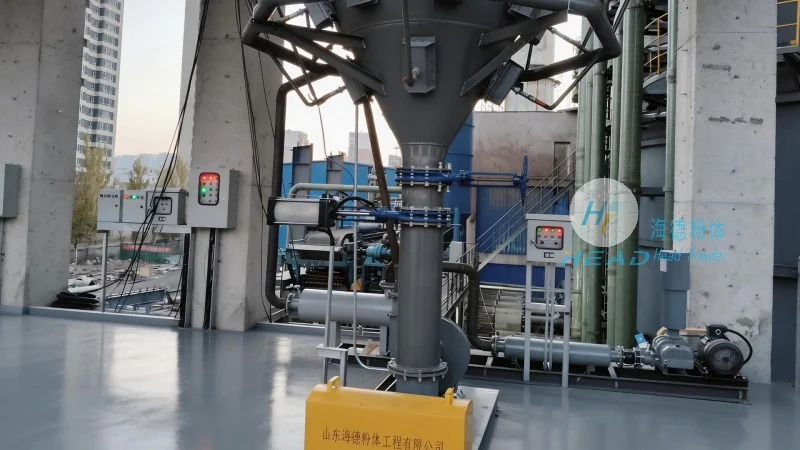
1. Pneumatic Conveying Systems
Pneumatic conveying systems use air or other gases to transport catalyst powders through a pipeline. This method is widely used due to its ability to handle fine powders and its flexibility in layout. The main advantages of pneumatic conveying include high conveying capacity, minimal product degradation, and the ability to transport materials over long distances. However, it also has significant drawbacks. One major disadvantage is the high energy consumption required to generate the necessary air pressure. Additionally, the system can be prone to blockages if the powder is too fine or if the air flow is not properly controlled. Another issue is the potential for product contamination from the air used in the system, which may affect the catalyst's performance.
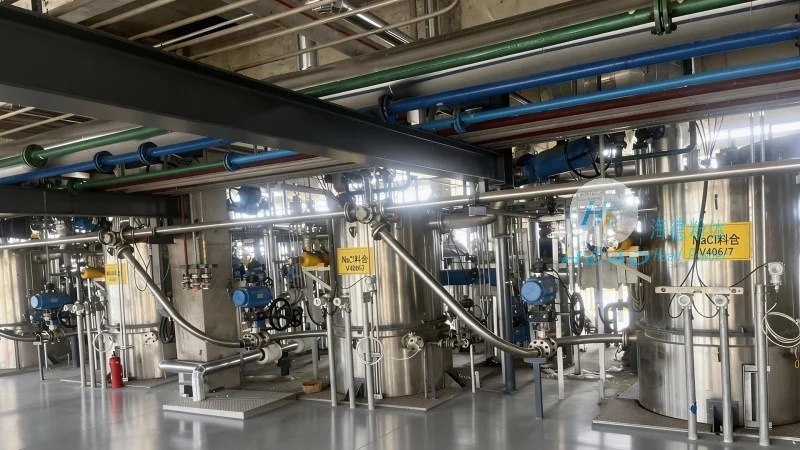
2. Screw Conveyors
Screw conveyors are mechanical devices that use a rotating screw to move catalyst powders along a trough. This method is commonly used for bulk material handling and is relatively simple in design. The primary advantage of screw conveyors is their low cost and ease of installation. They are also capable of handling a wide range of powder types and can operate in various environments. However, screw conveyors have several limitations. One significant drawback is their limited capacity for fine powders, as the screw can cause particle attrition and degradation. Additionally, the system may experience wear and tear on the screw and trough, leading to maintenance issues. Another disadvantage is the risk of product segregation, where different particle sizes or densities separate during transport.
3. Vacuum Conveying Systems
Vacuum conveying systems operate by creating a negative pressure to draw catalyst powders into a collection container. This method is often used for handling powders that are sensitive to air exposure or for applications requiring gentle handling. The main advantages of vacuum conveying include low energy consumption compared to positive pressure systems, the ability to handle fine powders without excessive air flow, and reduced product contamination. However, vacuum systems have their own set of challenges. One major disadvantage is the limited conveying distance, as the vacuum pressure drops significantly over longer distances. Additionally, the system can be prone to clogging if the powder is too cohesive or if the vacuum is not properly maintained. Another issue is the need for regular maintenance of the vacuum pump and associated components.

4. Hydraulic Conveying
Hydraulic conveying uses water or other liquids to transport catalyst powders. This method is typically used for heavy or abrasive powders that are difficult to handle with other systems. The primary advantage of hydraulic conveying is its ability to handle high concentrations of solids and abrasive materials without causing significant wear. However, this method has several drawbacks. One major disadvantage is the high cost associated with the equipment and the need for proper waste treatment of the liquid. Additionally, the system requires careful management of the liquid to prevent contamination of the catalyst powder. Another issue is the potential for product degradation due to the interaction with the liquid medium.
5. Comparison and Selection Considerations
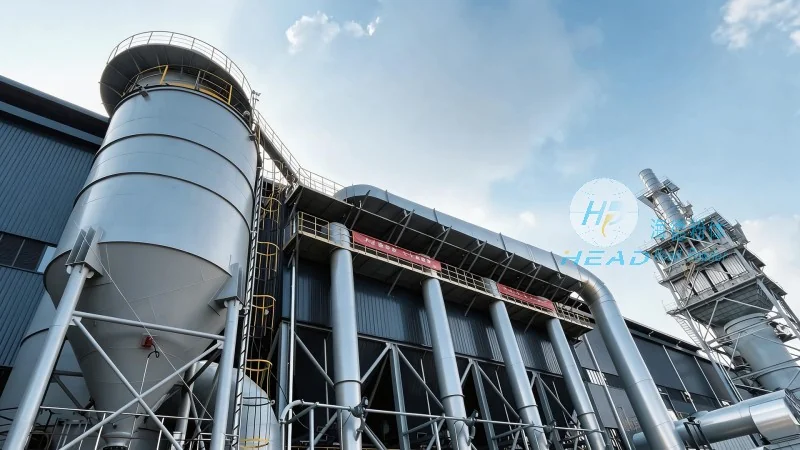
When selecting a catalyst powder conveying method, several factors must be considered, including the powder characteristics, the required conveying distance, the system cost, and the operational environment. Pneumatic systems are ideal for long-distance transport and fine powders but require higher energy input. Screw conveyors are cost-effective for bulk handling but may degrade fine powders. Vacuum systems are suitable for sensitive powders but have limited distance capabilities. Hydraulic systems are best for abrasive materials but involve higher operational costs. Industrial operators should evaluate these factors and consider the specific requirements of their application to choose the most appropriate conveying method.

 Shandong Headpowder Engineering Co., Ltd.
 156-6277-7102(Quản lý Trương)
  0531-83386006
  Thành phố Tế Nam, Tỉnh Sơn Đông, Trung Quốc
Điện thoại
WeChatTư vấn
Lên đầu