Chuyên sâu trong lĩnh vực vật liệu rời công nghiệp, cung cấp giải pháp môi trường thông minh tích hợp cho phối trộn tự động, cấp liệu tập trung, khử lưu huỳnh và khử nitơ khô!
In the industrial processing of borax, efficient and reliable material handling is crucial for maintaining production efficiency and product quality. Among various materials, borax granules, due to their specific physical properties such as size, density, and moisture content, require specialized conveying systems. This article provides a comparative analysis of common borax granule conveying methods, examining their advantages and disadvantages to help industrial operators select the most suitable solution for their specific needs.
Introduction to Borax Granule Conveying

Borax, a key chemical compound widely used in glass manufacturing, detergents, and pharmaceuticals, is often supplied in granular form. The effective transport of these granules from storage to processing units or packaging areas is essential for seamless production workflows. Conveying systems must address challenges like material flow control, energy efficiency, and equipment durability under the demanding conditions of industrial operations. This section introduces the primary methods used for borax granule transport and sets the stage for a detailed evaluation of their performance characteristics.
1. Screw Conveyors for Borax Granules
Screw conveyors, also known as auger conveyors, are among the most common equipment for transporting borax granules. These systems consist of a rotating helical screw within a trough, which moves material along the length of the conveyor. For borax granules, screw conveyors offer several advantages. They are relatively simple in design, requiring minimal maintenance and offering a compact footprint suitable for space-constrained facilities. The enclosed design of screw conveyors helps prevent dust dispersion, which is critical for maintaining air quality and compliance with environmental regulations. Additionally, screw conveyors can operate at various angles, allowing for both horizontal and inclined transport, making them versatile for different plant layouts.

However, screw conveyors also have notable disadvantages when handling borax granules. One of the primary challenges is the risk of material bridging or clogging within the screw and trough. Borax granules, with their cohesive properties, can adhere to the screw surface or form a solid plug, leading to operational interruptions and increased downtime for cleaning or maintenance. This issue is exacerbated when the granules have high moisture content or are prone to agglomeration. Another drawback is the limited capacity for large volumes of granules compared to other systems, as the screw speed and pitch determine the throughput. Moreover, the wear on the screw and trough components is significant due to the abrasive nature of borax granules, necessitating regular replacement and higher operational costs over time.
2. Pneumatic Conveying Systems
Pneumatic conveying systems use air or other gases to transport borax granules through a network of pipes. These systems can be categorized into pressure and vacuum types, each offering distinct advantages for borax granule handling. Pressure pneumatic systems, where air is blown into the conveying line, are effective for short to medium distances and can handle abrasive materials like borax granules. They provide a high degree of control over material flow, allowing for precise dosing and distribution. The enclosed nature of pneumatic systems also minimizes dust exposure, enhancing workplace safety and environmental compliance. Furthermore, pneumatic conveyors can operate in vertical or horizontal configurations, making them adaptable to complex plant layouts.
Despite these benefits, pneumatic conveying systems present several challenges for borax granule transport. The most significant drawback is the high energy consumption associated with maintaining air pressure and flow rates. This can lead to increased operational costs, especially for large-scale production facilities. Additionally, the abrasive nature of borax granules can cause wear on the internal components of the conveying pipes and valves, reducing their lifespan and requiring more frequent maintenance. Another issue is the potential for material degradation, as high-velocity air can cause attrition of the granules, affecting their quality and uniformity. Moreover, the system's performance is sensitive to variations in granule size and moisture content, which may lead to inconsistent flow rates and operational inefficiencies.
3. Belt Conveyors for Bulk Material Handling
Belt conveyors are widely used in bulk material handling, including the transport of borax granules. These systems consist of a continuous belt that moves over rollers or idlers, carrying the material from one point to another. For borax granules, belt conveyors offer advantages in terms of high capacity and long-distance transport. They can handle large volumes of material efficiently, making them suitable for large-scale production lines. The design of belt conveyors allows for easy integration with other processing equipment, such as storage silos or packaging machines, facilitating seamless material flow. Additionally, belt conveyors are relatively low-maintenance compared to other systems, as they have fewer moving parts and are less prone to clogging.
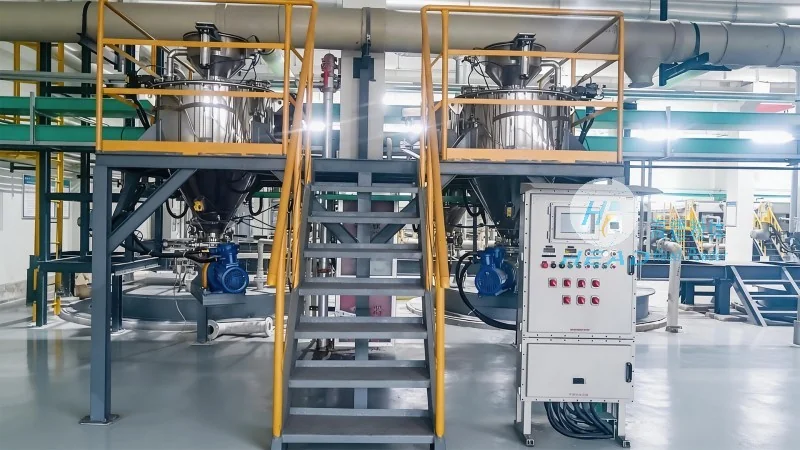
However, belt conveyors also have limitations when handling borax granules. The primary disadvantage is the risk of material spillage and dust generation, especially at transfer points or when the belt is inclined. Borax granules, being fine and cohesive, can easily fall off the belt or create dust clouds, leading to safety hazards and environmental issues. The abrasive nature of the granules can also cause significant wear on the belt surface and rollers, reducing the system's lifespan and increasing replacement costs. Another challenge is the need for proper belt tensioning and alignment to prevent slippage or misalignment, which can affect the conveyor's efficiency and cause operational disruptions. Furthermore, belt conveyors are less effective for vertical transport compared to other systems, as the material may slip or fall off the belt at steep angles.
4. Bucket Elevators for Vertical Transport
Bucket elevators are specialized equipment designed for vertical transport of bulk materials, including borax granules. These systems consist of a continuous chain with attached buckets that move vertically within a housing, lifting the material from a lower to a higher level. For borax granules, bucket elevators offer the advantage of efficient vertical transport with minimal horizontal space requirements. They can handle high volumes of material and are suitable for applications where vertical movement is necessary, such as moving granules from a storage silo to a processing unit on an upper floor. The enclosed design of bucket elevators prevents dust dispersion, ensuring a clean and safe working environment. Additionally, bucket elevators are relatively low in energy consumption compared to other vertical transport systems, making them cost-effective for large-scale operations.
Despite these benefits, bucket elevators have specific disadvantages when handling borax granules. One of the main challenges is the risk of material bridging or clogging within the buckets and housing. Borax granules, with their cohesive properties, can adhere to the bucket surfaces or form a solid plug, leading to operational interruptions and increased downtime for maintenance. This issue is particularly problematic when the granules have high moisture content or are prone to agglomeration. Another drawback is the wear on the buckets and housing components due to the abrasive nature of the granules, which can reduce the system's lifespan and increase maintenance costs. Furthermore, bucket elevators are more complex and expensive to install and maintain compared to other conveying systems, as they require precise alignment and regular inspection to ensure smooth operation.
5. Comparison and Selection Criteria
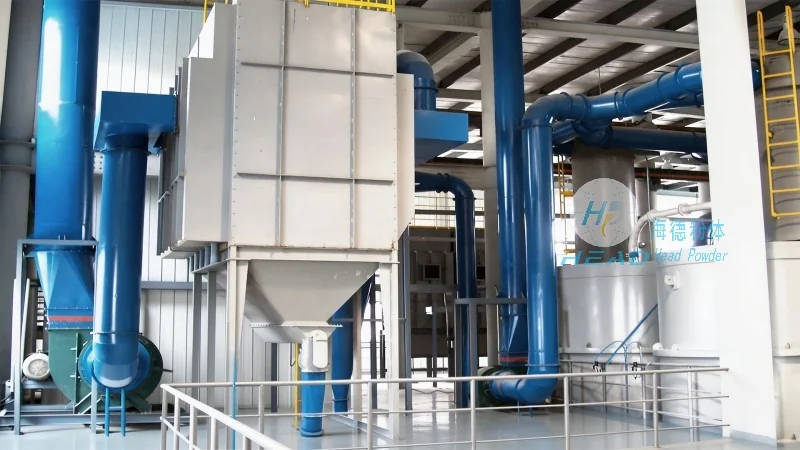
When selecting a conveying method for borax granules, several factors must be considered to ensure optimal performance and cost-effectiveness. The choice of system depends on the specific characteristics of the borax granules, such as size, density, moisture content, and abrasiveness, as well as the operational requirements of the plant, including distance, throughput, and space constraints. The following criteria are essential for making an informed decision:
First, the material's physical properties are critical. For example, if the borax granules are fine and cohesive, a system that minimizes clogging, such as a pneumatic conveyor or a bucket elevator with anti-bridging features, may be more suitable. Conversely, if the granules are large and abrasive, a belt conveyor with heavy-duty components or a screw conveyor with wear-resistant materials might be preferred. Second, the required capacity and distance of transport are important considerations. For short distances and moderate volumes, a screw conveyor or a belt conveyor may suffice. For longer distances or high volumes, pneumatic or bucket elevators may be more appropriate. Third, energy efficiency and operational costs play a significant role. Systems with lower energy consumption, such as screw conveyors or bucket elevators, may offer long-term cost savings despite higher initial investment. Fourth, maintenance requirements and downtime must be evaluated. Systems with simpler designs and fewer moving parts, like screw conveyors, may have lower maintenance costs but higher downtime during cleaning. Conversely, pneumatic systems may have higher maintenance costs due to wear on components but lower downtime.
Conclusion
In conclusion, the selection of a borax granule conveying method depends on a careful evaluation of the material's properties and the operational needs of the industrial facility. Each conveying system has its own set of advantages and disadvantages, and the optimal choice is determined by balancing performance, cost, and maintenance requirements. By understanding the characteristics of borax granules and the capabilities of different conveying systems, industrial operators can select the most suitable solution to ensure efficient and reliable material handling. This not only enhances production efficiency but also contributes to better workplace safety and environmental compliance. As the demand for borax continues to grow in various industries, the importance of selecting the right conveying method becomes increasingly critical for maintaining competitive advantages and operational excellence.

 Shandong Headpowder Engineering Co., Ltd.
 156-6277-7102(Quản lý Trương)
  0531-83386006
  Thành phố Tế Nam, Tỉnh Sơn Đông, Trung Quốc
Điện thoại
WeChatTư vấn
Lên đầu