Chuyên sâu trong lĩnh vực vật liệu rời công nghiệp, cung cấp giải pháp môi trường thông minh tích hợp cho phối trộn tự động, cấp liệu tập trung, khử lưu huỳnh và khử nitơ khô!
When it comes to efficiently handling powdered seasonings in industrial settings, selecting the right conveying method is crucial for maintaining product quality, ensuring operational efficiency, and minimizing downtime. Shandong HeadPowder Engineering Co., Ltd., a leading manufacturer based in China, specializes in providing tailored solutions for various powder handling needs. This article provides a detailed comparison of common powdered seasoning conveying methods, highlighting their advantages and disadvantages to help businesses make informed decisions.
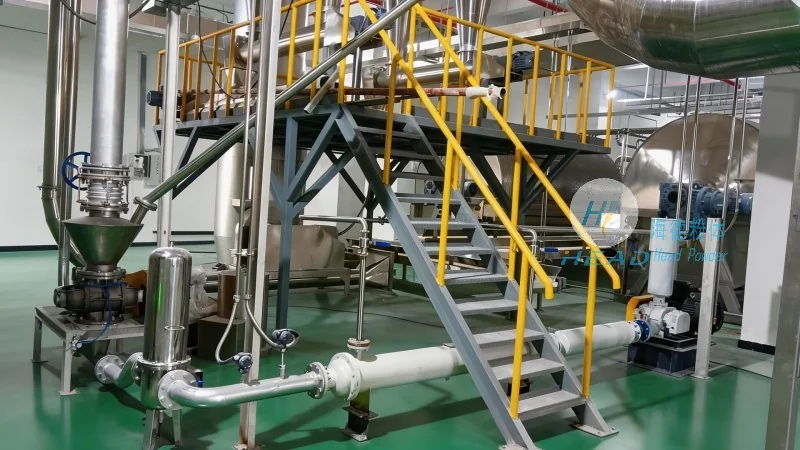
1. Screw Conveyors for Powdered Seasonings
Screw conveyors, also known as auger conveyors, are widely used for transporting dry powders like seasonings due to their simplicity and reliability. These systems consist of a rotating helical screw inside a trough, which moves material forward through the channel. The design allows for vertical and horizontal transport, making them versatile for different layouts. One of the primary advantages of screw conveyors is their ability to handle a wide range of powder types without the need for additional components. They are particularly effective for moderate to low volumes of seasoning powders, as they can maintain consistent flow rates and prevent product segregation. However, screw conveyors have some limitations. They may not be suitable for very fine or cohesive powders, as these can stick to the screw or the trough walls, leading to blockages. Additionally, the design can generate heat due to friction, which may affect heat-sensitive seasonings. Another drawback is the need for regular maintenance, as the screw and bearings require periodic inspection and replacement to avoid breakdowns. Overall, screw conveyors are an excellent choice for businesses with steady, moderate powder volumes and non-cohesive seasonings.
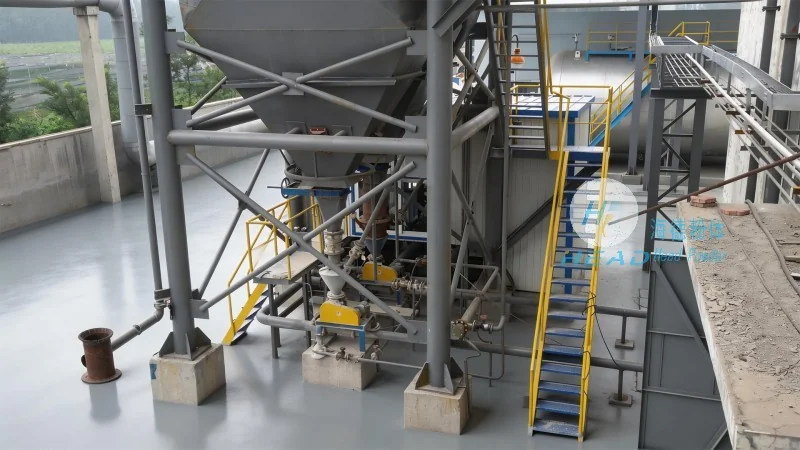
2. Pneumatic Conveying Systems
Pneumatic conveying systems use air or gas to transport powdered seasonings through a network of pipes. These systems can be categorized into pressure and vacuum types, each offering different capabilities. Pressure systems push the powder with compressed air, while vacuum systems draw the powder using a vacuum pump. The main advantage of pneumatic conveying is its ability to handle fine powders and prevent product contamination, as the material is enclosed within the system. This is particularly important for sensitive seasonings that require a clean environment. Pneumatic systems also allow for long-distance transport and can integrate with other processing equipment, such as mixers or packaging machines. However, these systems have significant drawbacks. They are generally more expensive to install and operate compared to screw conveyors, as they require air compressors and filtration systems. The energy consumption is higher due to the continuous operation of the air system. Additionally, they may not be suitable for very large volumes of powder, as the pressure drop can increase with longer distances or larger particle sizes. Another concern is the potential for product degradation due to friction and air exposure, especially for heat-sensitive or delicate seasonings. Pneumatic conveying is ideal for businesses that need to transport fine powders over moderate distances and prioritize product cleanliness and integration with other processes.
3. Bucket Elevators
Bucket elevators are vertical conveying systems that use a series of buckets attached to a belt or chain to lift and transport powdered seasonings. These systems are highly efficient for vertical transport and can handle large volumes of material. The main advantage of bucket elevators is their high capacity and ability to transport powders vertically without the need for multiple levels of horizontal conveyors. This reduces the footprint of the facility and simplifies the layout. They are also capable of handling abrasive or heavy powders, as the buckets are designed to withstand wear and tear. However, bucket elevators have several limitations. They are primarily used for vertical transport and are not suitable for horizontal or inclined movement. The design can be complex and expensive to install, especially for large-scale operations. Maintenance is also a concern, as the buckets and chains require regular inspection and replacement to prevent failures. Additionally, the system may generate noise and vibration, which can affect the working environment. Bucket elevators are best suited for businesses that need to move large volumes of powder vertically and have limited horizontal space.
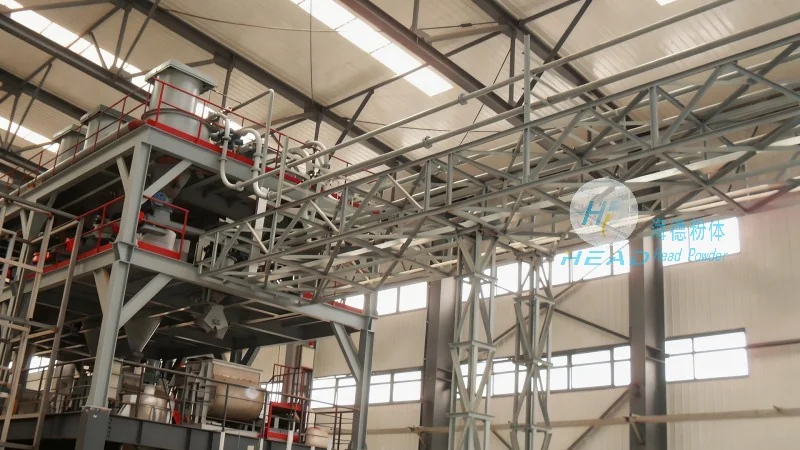
4. Vibrating Conveyors
Vibrating conveyors use vibrations to move powdered seasonings along a trough. The system consists of a conveyor bed that is mounted on springs and driven by an electromagnetic or mechanical vibrator. The vibrations cause the powder to move forward in a controlled manner. The main advantage of vibrating conveyors is their ability to handle sticky or cohesive powders, as the vibrations prevent the material from sticking to the conveyor surface. This is crucial for seasonings that tend to clump together, such as sugar or spices. They are also low-cost and easy to install, making them a popular choice for small to medium-sized operations. However, vibrating conveyors have limitations. They are not suitable for very fine powders, as the vibrations can cause dust and particle separation. The system may also generate noise and require regular maintenance of the vibration mechanism. Additionally, the conveying speed is relatively low compared to other methods, which may affect throughput for high-volume operations. Vibrating conveyors are ideal for businesses that need to transport sticky or cohesive seasonings and have limited budget constraints.
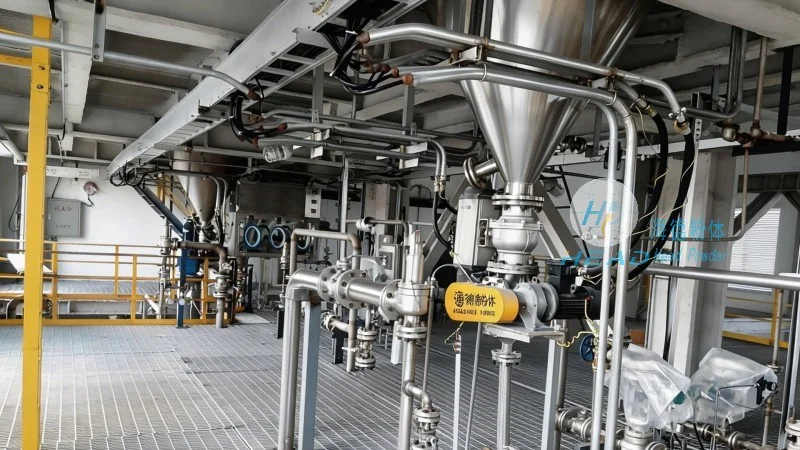
5. Belt Conveyors
Belt conveyors use a continuous belt to transport powdered seasonings horizontally or at a slight incline. The belt is supported by rollers and driven by a motor, moving the material along the path. The main advantage of belt conveyors is their ability to handle large volumes of material and transport it over long distances. They are also flexible in terms of layout, as the belt can be curved or extended to fit different facility designs. Belt conveyors are particularly effective for non-sticky powders and can integrate with other equipment, such as hoppers or storage tanks. However, these systems have drawbacks. They may not be suitable for very fine powders, as the belt can cause product segregation or dust accumulation. The design requires regular cleaning to prevent powder buildup on the belt, which can affect performance. Additionally, belt conveyors are prone to wear and tear, especially from abrasive powders, leading to higher maintenance costs. They are also less efficient for vertical transport compared to bucket elevators. Belt conveyors are best for businesses that need to transport large volumes of non-sticky powders over long horizontal distances and have sufficient space for the system.
6. Comparison Summary and Recommendations
When selecting a conveying method for powdered seasonings, it is essential to consider several factors, including the type of powder, volume, distance, and budget. Shandong HeadPowder Engineering Co., Ltd. offers customized solutions that take into account these variables to ensure optimal performance. For moderate volumes of non-cohesive seasonings, screw conveyors are a cost-effective and reliable choice. For fine powders requiring clean transport, pneumatic systems are ideal. Vertical transport needs can be efficiently met with bucket elevators, while sticky powders benefit from vibrating conveyors. Belt conveyors are suitable for large horizontal distances. By evaluating these factors and consulting with experts like HeadPowder, businesses can choose the most appropriate conveying method to enhance productivity, maintain product quality, and reduce operational costs.

 Shandong Headpowder Engineering Co., Ltd.
 156-6277-7102(Quản lý Trương)
  0531-83386006
  Thành phố Tế Nam, Tỉnh Sơn Đông, Trung Quốc
Điện thoại
WeChatTư vấn
Lên đầu