Chuyên sâu trong lĩnh vực vật liệu rời công nghiệp, cung cấp giải pháp môi trường thông minh tích hợp cho phối trộn tự động, cấp liệu tập trung, khử lưu huỳnh và khử nitơ khô!
Refractory materials are critical components in various industrial processes, including steelmaking, cement production, and glass manufacturing. The efficient and reliable transportation of these materials from storage to processing equipment is essential for maintaining production efficiency and safety. Among the various conveying methods available, several stand out as the most common and effective solutions. This article provides a detailed comparison of the primary methods used for refractory material transport, highlighting their advantages, limitations, and typical applications.

Overview of Refractory Material Conveying Methods
Refractory material conveying systems are designed to handle materials with high temperatures, abrasive properties, and varying particle sizes. The choice of conveying method depends on factors such as material characteristics, distance, throughput requirements, and environmental considerations. Common methods include screw conveyors, pneumatic conveying systems, belt conveyors, and bucket elevators. Each method has unique features that make it suitable for specific industrial scenarios.
Screw Conveyors: A Traditional and Versatile Solution
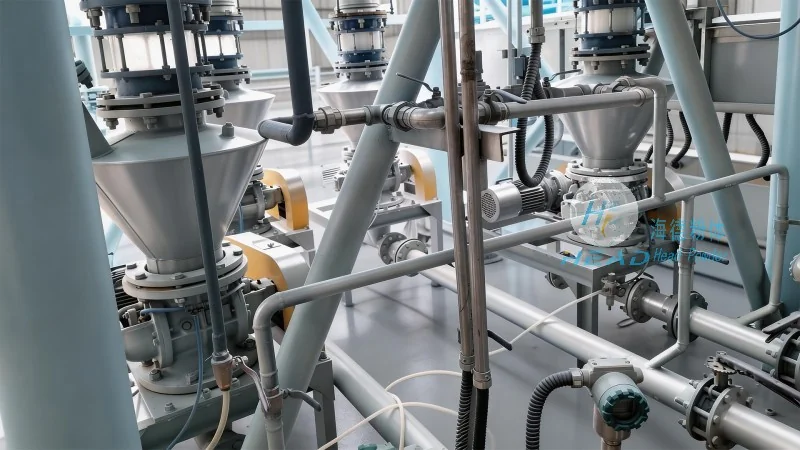
Screw conveyors, also known as auger conveyors, are among the most widely used equipment for transporting refractory materials. These systems consist of a rotating screw (auger) inside a cylindrical housing, which moves material forward through rotation. The design allows for vertical and horizontal transport, making them adaptable to different layouts. One of the key advantages of screw conveyors is their ability to handle a wide range of material types, including powders, granules, and small lumps. They are particularly effective for materials with moderate abrasiveness and low moisture content. The enclosed design also helps in controlling dust and preventing material spillage, which is crucial in industrial environments. However, screw conveyors have limitations when dealing with highly abrasive or sticky materials, as the screw and housing can wear out faster. Additionally, they are not suitable for long-distance transport due to the energy consumption and material degradation over extended runs.
Pneumatic Conveying Systems: High-Volume and Flexible Transport
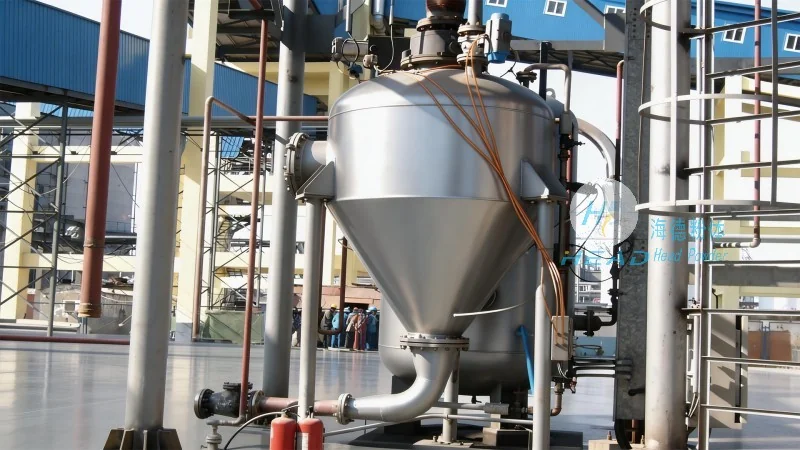
Pneumatic conveying systems use air or other gases to transport refractory materials through a network of pipes. This method is ideal for applications requiring high throughput and flexibility, as it can move materials over long distances without the need for multiple transfer points. There are two main types of pneumatic systems: pressure and vacuum. Pressure systems push material using compressed air, while vacuum systems pull material using a vacuum. Pneumatic conveying is particularly effective for fine powders and granules, as it can handle materials with high moisture content and sticky properties. The system is also relatively easy to install and maintain, with the ability to integrate with existing infrastructure. However, pneumatic systems require significant energy input, especially for pressure systems, and can be prone to material degradation if the system is not properly designed. Additionally, they may not be suitable for very abrasive materials, as the air flow can cause wear on the pipe interior and components.
Belt Conveyors: Heavy-Duty and Long-Distance Transport
Belt conveyors are robust and widely used for transporting refractory materials over long distances and at high capacities. These systems consist of a continuous belt that moves over rollers or pulleys, carrying material from one point to another. Belt conveyors are particularly suitable for handling large volumes of bulk materials, such as refractory bricks or large lumps. They are also effective for horizontal and slight incline transport, making them adaptable to various industrial settings. The main advantage of belt conveyors is their high load capacity and ability to transport materials over long distances with minimal energy loss. They are also relatively low maintenance compared to other systems, as the main components (belt and rollers) are durable and easy to replace. However, belt conveyors have limitations when dealing with fine powders, as they can cause dust and material spillage. They are also not suitable for vertical transport, as the belt may slip or the material may fall off. Additionally, the initial cost of installation can be higher compared to other methods.
Bucket Elevators: Vertical Transport and High Temperature Resistance
Bucket elevators are specialized equipment designed for vertical transport of refractory materials. These systems use a series of buckets attached to a chain or belt, which moves vertically to lift material from a lower to a higher level. Bucket elevators are particularly effective for materials that require vertical transport, such as in cement kilns or steel furnaces. The design allows for high temperature resistance, as the buckets and housing are made of durable materials that can withstand high temperatures. One of the key advantages of bucket elevators is their ability to handle abrasive and sticky materials without significant wear. They are also relatively compact, making them suitable for spaces with limited vertical clearance. However, bucket elevators have limitations when dealing with fine powders, as the buckets may not effectively lift small particles. They are also not suitable for long horizontal transport, as the vertical design restricts the distance they can cover. Additionally, the system requires regular maintenance to ensure the buckets and chain are in good condition, as wear can lead to material spillage and system failure.
Choosing the Right Conveying Method for Refractory Materials

The selection of the appropriate refractory material conveying method depends on several factors, including the material properties, transport distance, required throughput, and environmental considerations. For example, screw conveyors are ideal for short-distance transport of moderate-sized materials, while pneumatic systems are better for long-distance transport of fine powders. Belt conveyors are suitable for high-capacity horizontal transport, and bucket elevators are best for vertical transport in high-temperature environments. It is essential to consider the cost, maintenance requirements, and operational efficiency of each system when making a decision. Additionally, consulting with industry experts or manufacturers, such as Shandong HeadPowder Engineering Co., Ltd., can provide valuable insights into the most suitable conveying solution for specific applications.
Shandong HeadPowder Engineering Co., Ltd. specializes in the design, manufacturing, and installation of refractory material conveying systems. With years of experience in the industry, the company provides customized solutions tailored to the unique needs of each client. Whether you require a screw conveyor, pneumatic system, belt conveyor, or bucket elevator, HeadPowder offers high-quality equipment that meets the highest standards of performance and durability. The company's commitment to quality and customer satisfaction ensures that clients receive reliable and efficient conveying solutions that enhance their production processes. HeadPowder's products are designed to handle a wide range of refractory materials, from fine powders to large lumps, and are built to withstand the harsh conditions of industrial environments. By choosing HeadPowder, clients can improve their material handling efficiency, reduce downtime, and ensure the safety of their operations. With a focus on innovation and customer service, Shandong HeadPowder Engineering Co., Ltd. is a trusted partner for all refractory material conveying needs in China.

 Shandong Headpowder Engineering Co., Ltd.
 156-6277-7102(Quản lý Trương)
  0531-83386006
  Thành phố Tế Nam, Tỉnh Sơn Đông, Trung Quốc
Điện thoại
WeChatTư vấn
Lên đầu