Chuyên sâu trong lĩnh vực vật liệu rời công nghiệp, cung cấp giải pháp môi trường thông minh tích hợp cho phối trộn tự động, cấp liệu tập trung, khử lưu huỳnh và khử nitơ khô!
White carbon black, a critical filler and reinforcing agent in various industries such as rubber, plastics, and coatings, requires efficient and reliable conveying methods to ensure consistent quality and process stability. The choice of conveying system significantly impacts production efficiency, material handling costs, and overall operational safety. This article provides a detailed comparison of common white carbon black powder conveying methods, focusing on their mechanisms, advantages, disadvantages, and typical applications.
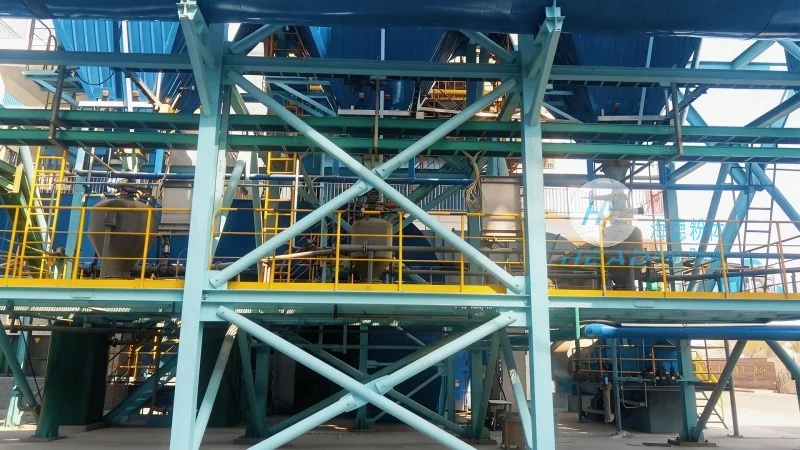
1. Pneumatic Conveying Systems
Pneumatic conveying, also known as air conveying, is a widely used method for transporting white carbon black powder due to its ability to handle fine powders and provide flexible system designs. This technology utilizes compressed air to move material through a pipeline network. There are two main types: pressure and vacuum systems. Pressure systems use positive pressure to push material from a source to a destination, while vacuum systems use negative pressure to pull material. The primary advantage of pneumatic conveying is its ability to transport materials over long distances and through multiple points of discharge. It also offers excellent dust control and can be integrated with other processing equipment. However, pneumatic systems require significant energy input for air compression, and they may experience issues with material segregation or blockages if the powder is not properly conditioned. Typical applications include bulk material handling in chemical plants, food processing, and pharmaceutical industries.
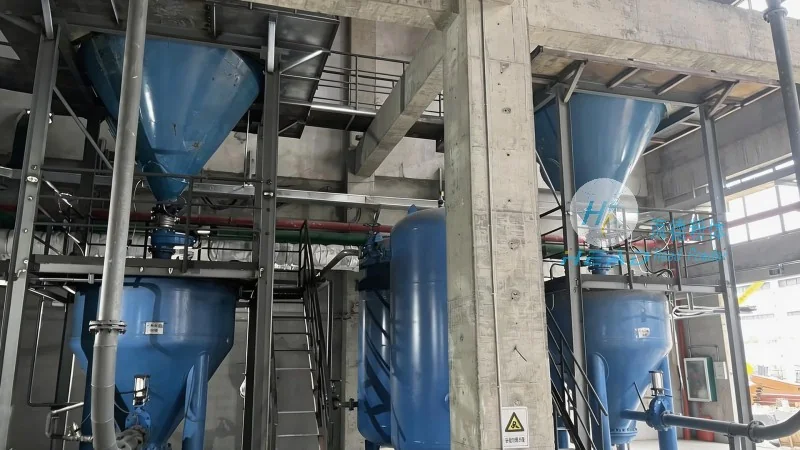
2. Screw Conveyors (Auger Conveyors)
Screw conveyors, or auger conveyors, are mechanical devices that use a rotating screw to move white carbon black powder along a trough or pipe. These systems are simple in design, requiring minimal maintenance, and are effective for horizontal or slightly inclined transport. The screw's pitch and speed can be adjusted to control the conveying rate and material flow. Screw conveyors are particularly suitable for handling free-flowing powders and can be used in both dry and slightly wet conditions. One of the key advantages is their ability to handle a wide range of particle sizes and moisture contents without causing segregation. However, they may not be ideal for very fine or cohesive powders, as these can lead to increased friction and potential blockages. Additionally, screw conveyors have limited vertical lifting capabilities and are generally less effective for long-distance transport compared to pneumatic systems. They are commonly used in industrial settings for material transfer within processing plants, such as in the rubber and plastic manufacturing sectors.
3. Vibrating Conveyors
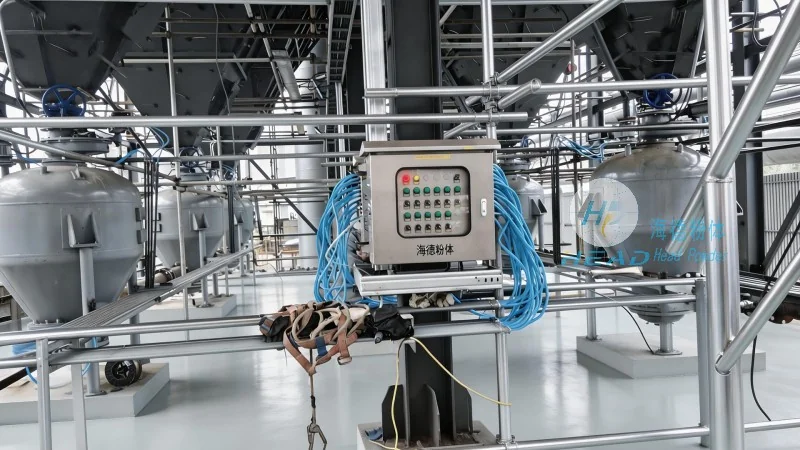
Vibrating conveyors utilize vibrations to move white carbon black powder along a trough. The system consists of a conveyor bed that is vibrated at specific frequencies and amplitudes, causing the material to move forward. This method is effective for handling cohesive or sticky powders, as the vibrations help break up agglomerates and prevent material buildup. Vibrating conveyors are often preferred for their gentle handling of materials, which minimizes product degradation and maintains particle integrity. They are also suitable for transporting materials with high moisture content or that are prone to caking. However, these systems require careful design to ensure proper vibration characteristics and may have higher maintenance costs due to the need for vibration isolation and support structures. Vibrating conveyors are commonly used in the food, pharmaceutical, and chemical industries for transporting powders that require minimal handling stress.
4. Belt Conveyors
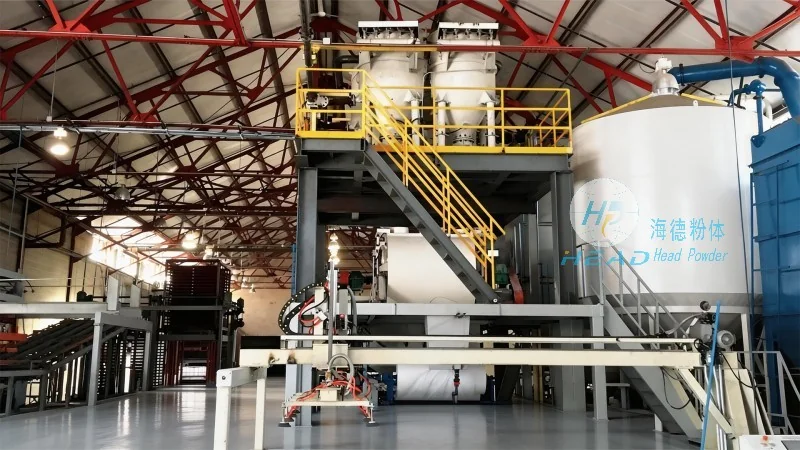
Belt conveyors use a continuous belt to transport white carbon black powder, typically in a horizontal or slightly inclined configuration. The material is placed on the belt at one end and moves to the discharge point as the belt rotates. This method is highly effective for bulk material handling and can transport large quantities of powder over long distances. Belt conveyors are known for their high capacity and low energy consumption compared to other mechanical systems. They are also relatively simple to install and maintain, making them a cost-effective solution for many industrial applications. However, belt conveyors may not be suitable for very fine powders, as they can cause dust issues and require proper sealing to prevent material spillage. Additionally, they have limited ability to handle vertical lifts and may experience wear and tear on the belt due to abrasive materials like white carbon black. Belt conveyors are commonly used in mining, construction, and material handling facilities for transporting bulk powders and granules.
5. Comparison and Selection Criteria
When selecting a conveying method for white carbon black powder, several factors must be considered to ensure optimal performance and cost-effectiveness. The primary factors include material properties (particle size, moisture content, cohesion), conveying distance, required capacity, and operational environment. Pneumatic systems are ideal for long-distance transport and fine powders but have higher energy costs. Screw conveyors offer simplicity and flexibility for moderate distances and free-flowing materials. Vibrating conveyors excel in handling cohesive or sticky powders and require gentle material handling. Belt conveyors provide high capacity and are cost-effective for bulk transport. The choice of system should also consider factors such as space availability, maintenance requirements, and safety considerations. For example, in a rubber manufacturing plant, a combination of screw and pneumatic conveyors might be used to handle different stages of the process, with screw conveyors for initial material transfer and pneumatic systems for final distribution to mixing equipment. Ultimately, the most suitable conveying method depends on the specific application and operational constraints, requiring a balanced approach to meet production goals while minimizing costs and risks.

 Shandong Headpowder Engineering Co., Ltd.
 156-6277-7102(Quản lý Trương)
  0531-83386006
  Thành phố Tế Nam, Tỉnh Sơn Đông, Trung Quốc
Điện thoại
WeChatTư vấn
Lên đầu