Chuyên sâu trong lĩnh vực vật liệu rời công nghiệp, cung cấp giải pháp môi trường thông minh tích hợp cho phối trộn tự động, cấp liệu tập trung, khử lưu huỳnh và khử nitơ khô!
When it comes to the transportation of limestone, selecting the right conveying method is crucial for optimizing operational efficiency, reducing costs, and ensuring the safe handling of this essential industrial material. Limestone, a versatile mineral used in construction, manufacturing, and environmental applications, requires reliable and efficient transport solutions to move it from quarries or processing plants to end-use destinations. This article provides a detailed comparison of common limestone conveying methods, highlighting their advantages, limitations, and ideal applications.

Overview of Limestone Conveying Methods
Limestone conveying systems are designed to handle bulk materials over long distances or vertical elevations. The primary methods include belt conveyors, bucket elevators, and pneumatic (air) conveyors. Each method has distinct characteristics that make it suitable for specific operational requirements. Understanding these differences helps industrial facilities choose the most effective solution for their limestone handling needs.
Belt Conveyors: The Workhorse of Bulk Material Transport
Belt conveyors are among the most widely used limestone conveying systems due to their durability, efficiency, and ability to transport large quantities of material over long distances. These systems consist of a continuous loop of belt supported by rollers, with the material placed on the belt and carried to the destination. For limestone, belt conveyors are particularly effective for horizontal or slightly inclined transport, such as moving limestone from a quarry to a processing plant or from a storage silo to a grinding mill.
Key advantages of belt conveyors include high capacity, low maintenance costs, and the ability to operate continuously for extended periods. They are also relatively simple to install and can be integrated with other processing equipment. However, belt conveyors may face challenges when transporting very fine or dusty limestone, as the material can cause belt wear or lead to dust accumulation. Proper sealing and cleaning mechanisms are essential to maintain performance and prevent environmental contamination.
HeadPowder, a leading provider of bulk material handling solutions, offers high-quality belt conveyor systems tailored to limestone applications. Our conveyors are designed with robust components, such as heavy-duty rollers and reinforced belts, to withstand the abrasive nature of limestone and ensure long-term reliability. We also provide customized solutions, including variable speed drives and adjustable incline angles, to optimize the conveying process for specific operational needs.
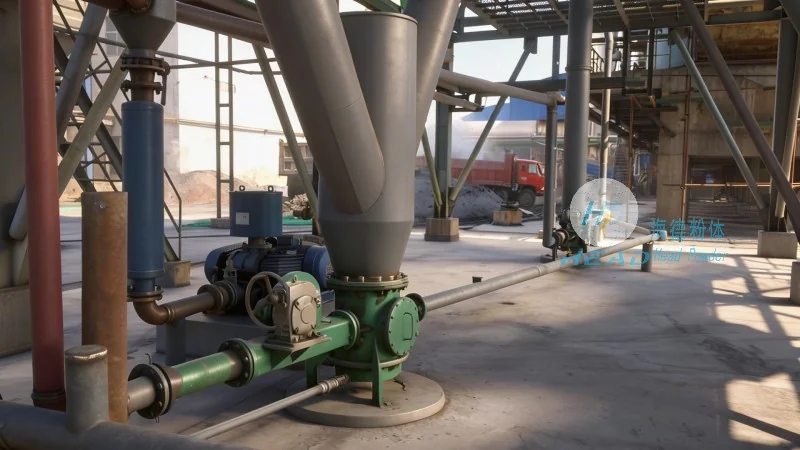
Bucket Elevators: Vertical Transport Solutions
Bucket elevators are specialized limestone conveying systems designed for vertical transport, typically used to move material from a lower to a higher elevation. These systems consist of a vertical or slightly inclined trough with a series of buckets attached to a continuous chain or belt. As the buckets move upward, they scoop material from the feed hopper and discharge it at the top of the elevator. Bucket elevators are ideal for transporting limestone in vertical applications, such as moving material from a storage silo to a processing plant or from a quarry to a loading dock.
One of the primary advantages of bucket elevators is their ability to handle vertical lifts efficiently, often with minimal space requirements. They are also capable of transporting a wide range of limestone sizes, from fine powders to large lumps, without causing material degradation. However, bucket elevators may have lower capacity compared to belt conveyors and require more maintenance due to the moving parts involved. Proper lubrication and regular inspection of the buckets and chains are critical to ensure safe and reliable operation.
HeadPowder specializes in manufacturing and supplying bucket elevators for limestone handling. Our elevators are constructed with high-strength materials, such as stainless steel or corrosion-resistant alloys, to resist the chemical and physical properties of limestone. We offer various bucket designs, including deep and shallow buckets, to accommodate different material characteristics and ensure optimal material retention and discharge.
Pneumatic Conveyors: Air-Based Transport
Pneumatic conveyors use air pressure to transport limestone as a fine powder or small particles. These systems consist of a pipeline with a series of inlets and outlets, where material is introduced into the system and carried by a stream of air. Pneumatic conveyors are particularly suitable for transporting limestone in applications where dust control is a priority, such as moving material from a processing plant to a storage silo or from a quarry to a loading truck.
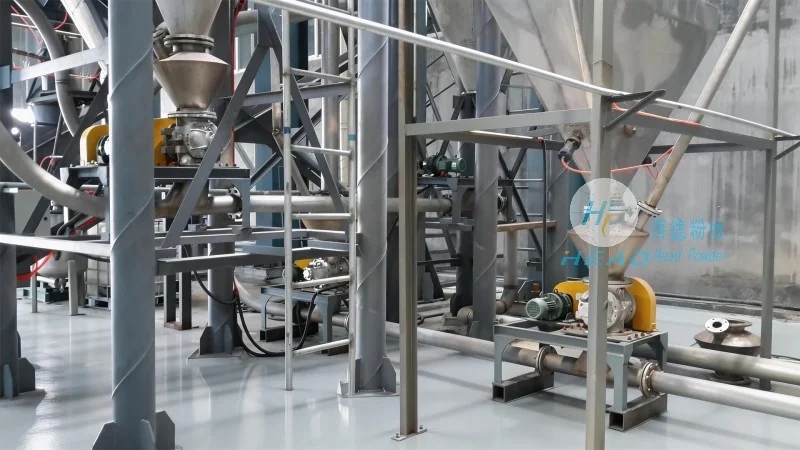
Key advantages of pneumatic conveyors include the ability to transport material over long horizontal distances, the absence of moving parts at the discharge point, and the potential for dust-free operation. They are also relatively compact and can be integrated into existing facilities with minimal modifications. However, pneumatic conveyors may have lower capacity compared to mechanical systems and require careful control of air pressure and flow to maintain consistent material transport. The cost of air compressors and the energy consumption associated with pneumatic systems are also factors to consider.
HeadPowder provides advanced pneumatic conveying systems for limestone applications. Our systems are designed with high-efficiency air compressors and specialized nozzles to ensure optimal material transport and minimize energy consumption. We also offer dust collection and filtration systems to comply with environmental regulations and maintain a clean working environment.
Choosing the Right Limestone Conveying Method
Selecting the appropriate limestone conveying method depends on several factors, including the distance and elevation of the transport, the material characteristics (such as size, moisture content, and abrasiveness), and the operational requirements of the facility. Belt conveyors are generally preferred for long horizontal or slightly inclined transport due to their high capacity and low cost. Bucket elevators are ideal for vertical transport, while pneumatic conveyors are best suited for applications requiring dust control or long horizontal distances.
When evaluating limestone conveying systems, it is essential to consider the total cost of ownership, including initial investment, maintenance, and energy consumption. HeadPowder offers comprehensive solutions that balance performance and cost-effectiveness, ensuring that our clients can choose the most suitable system for their specific needs.
Conclusion
Limestone is a critical material in many industrial sectors, and efficient conveying is essential to support its processing and application. By understanding the different limestone conveying methods and their characteristics, industrial facilities can make informed decisions to optimize their operations. HeadPowder, with its expertise in bulk material handling, provides reliable and customized solutions for limestone conveying, helping clients achieve their operational goals while maintaining safety and efficiency.

 Shandong Headpowder Engineering Co., Ltd.
 156-6277-7102(Quản lý Trương)
  0531-83386006
  Thành phố Tế Nam, Tỉnh Sơn Đông, Trung Quốc
Điện thoại
WeChatTư vấn
Lên đầu