Chuyên sâu trong lĩnh vực vật liệu rời công nghiệp, cung cấp giải pháp môi trường thông minh tích hợp cho phối trộn tự động, cấp liệu tập trung, khử lưu huỳnh và khử nitơ khô!
When it comes to efficiently handling oat flour in industrial settings, selecting the right conveying method is crucial for maintaining product quality, reducing operational costs, and ensuring smooth production flow. This article provides a detailed comparison of common oat flour conveying methods, highlighting their advantages, limitations, and suitability for different production scenarios. The information is presented by Shandong HeadPowder Engineering Co., Ltd. (HeadPowder), a leading bulk material handling solutions provider based in Shandong, China, with decades of experience in optimizing material transport systems for food processing industries.
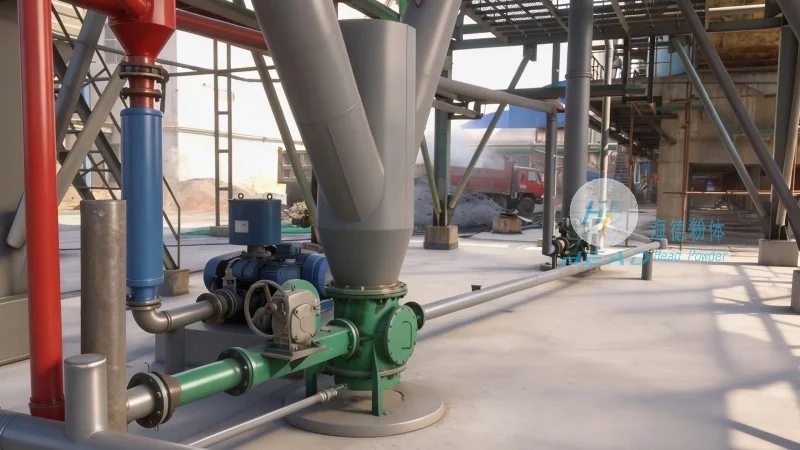
Gravity Conveying Systems
Gravity conveying systems utilize the natural force of gravity to move oat flour from one point to another. These systems typically consist of inclined chutes or troughs that allow the material to flow downwards without the need for external power. A key advantage of gravity conveying is its low energy consumption, as it relies on the material's own weight to move. This makes it an economical choice for short horizontal or vertical distances where the material can be easily guided by the chute design. However, gravity conveying has significant limitations, particularly for longer distances or when dealing with fine powders like oat flour, which tend to settle and create blockages. The system's efficiency drops as the material's angle of repose increases, and it may not be suitable for high-volume applications where consistent flow is required. Shandong HeadPowder Engineering Co., Ltd. has developed specialized gravity chutes with smooth, non-stick surfaces to minimize material buildup and improve flow consistency, enhancing the reliability of this method for moderate oat flour handling needs.

Mechanical Conveying Methods
Mechanical conveying systems employ mechanical energy to transport oat flour, offering greater control and flexibility compared to gravity systems. The most common types include screw conveyors, belt conveyors, and pneumatic conveying systems. Screw conveyors use a rotating screw to push the material forward, making them ideal for vertical or inclined transport. They are particularly effective for handling bulk materials with moderate to high moisture content, as the screw's design can help maintain a consistent flow. However, screw conveyors may cause some material degradation due to friction, and they are not suitable for very fine or abrasive powders like some oat flour varieties. Belt conveyors, on the other hand, use a continuous belt to move the material horizontally or at a slight incline. They are widely used in food processing industries for their gentle handling of products, which helps preserve the quality of oat flour. Belt conveyors can handle high volumes and are relatively easy to maintain, but they require regular cleaning to prevent material accumulation and potential contamination. Pneumatic conveying systems use air or gas to transport oat flour through a pipeline. These systems are highly effective for long-distance transport and can handle fine powders without the need for additional equipment. However, they are more energy-intensive than other methods and may cause dust emissions if not properly sealed. Shandong HeadPowder Engineering Co., Ltd. offers customized mechanical conveying solutions, including screw and belt systems tailored to specific production requirements, ensuring optimal performance and minimal product damage.
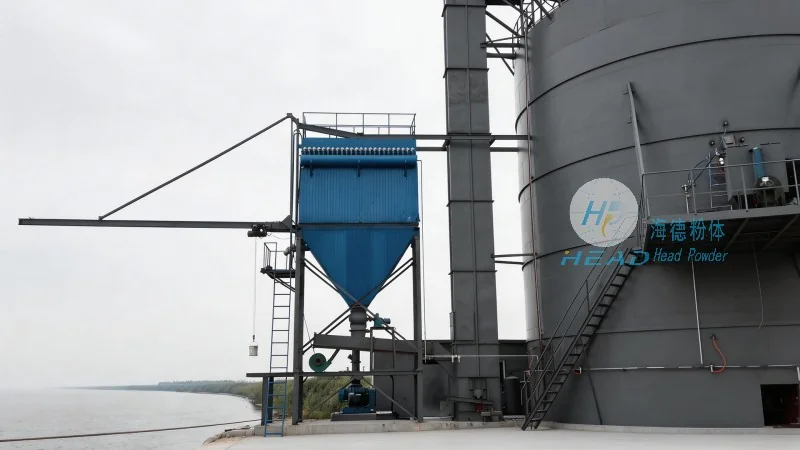
Pneumatic Conveying Systems
Pneumatic conveying systems represent a more advanced approach to oat flour transport, utilizing compressed air to move the material through a closed pipeline. This method is particularly suitable for applications requiring long-distance transport, high volume handling, or the need to keep the material contained and dust-free. There are two main types of pneumatic conveying: pressure and vacuum systems. Pressure systems use compressed air to push the material forward, while vacuum systems use a vacuum to pull the material into the pipeline. Pressure systems are generally more efficient for long distances and high volumes, as they can maintain consistent flow rates without the need for frequent adjustments. However, they require robust air compressors and may generate more noise and heat. Vacuum systems are better suited for shorter distances or when the material needs to be drawn from multiple points, as they can create a negative pressure that pulls the material into the system. Pneumatic conveying is highly effective for fine powders like oat flour, as the air flow helps prevent clogging and ensures a smooth transport process. However, it is more expensive to install and maintain compared to other methods, and it may require additional filtration to control dust emissions. Shandong HeadPowder Engineering Co., Ltd. specializes in designing and manufacturing pneumatic conveying systems that meet the strict standards of the food industry, ensuring that oat flour is handled with the utmost care and minimal risk of contamination.
Selection Criteria for Oat Flour Conveying
Choosing the right oat flour conveying method involves considering several key factors, including the material's characteristics, production volume, distance to be covered, and budget constraints. The angle of repose, moisture content, and particle size of oat flour are critical factors, as they determine the material's flowability and tendency to clog. For example, fine oat flour with high moisture content may require a mechanical or pneumatic system to ensure consistent flow, while coarse or dry oat flour might be suitable for gravity conveying over short distances. Production volume is another important consideration, as high-volume applications often benefit from mechanical or pneumatic systems that can handle large quantities without bottlenecks. The distance between the source and destination points also plays a role, with gravity systems being ideal for short distances and pneumatic systems for longer ones. Finally, cost is a significant factor, as different methods have varying installation and operational costs. Shandong HeadPowder Engineering Co., Ltd. provides comprehensive consultation services to help clients evaluate these factors and select the most appropriate conveying method for their specific oat flour handling needs, ensuring optimal performance and cost-effectiveness.

 Shandong Headpowder Engineering Co., Ltd.
 156-6277-7102(Quản lý Trương)
  0531-83386006
  Thành phố Tế Nam, Tỉnh Sơn Đông, Trung Quốc
Điện thoại
WeChatTư vấn
Lên đầu