Chuyên sâu trong lĩnh vực vật liệu rời công nghiệp, cung cấp giải pháp môi trường thông minh tích hợp cho phối trộn tự động, cấp liệu tập trung, khử lưu huỳnh và khử nitơ khô!
Clay ash, a byproduct of industrial processes, requires efficient and reliable transportation systems to ensure safe and effective handling. The choice of conveying method significantly impacts operational efficiency, cost, and environmental compliance. This article provides a detailed comparison of common clay ash conveying methods, highlighting their applications, advantages, and limitations. As a leading provider in the field, Shandong HeadPowder Engineering Co., Ltd. (commonly known as HeadPowder) offers expertise in designing and implementing these systems to meet diverse industrial needs.
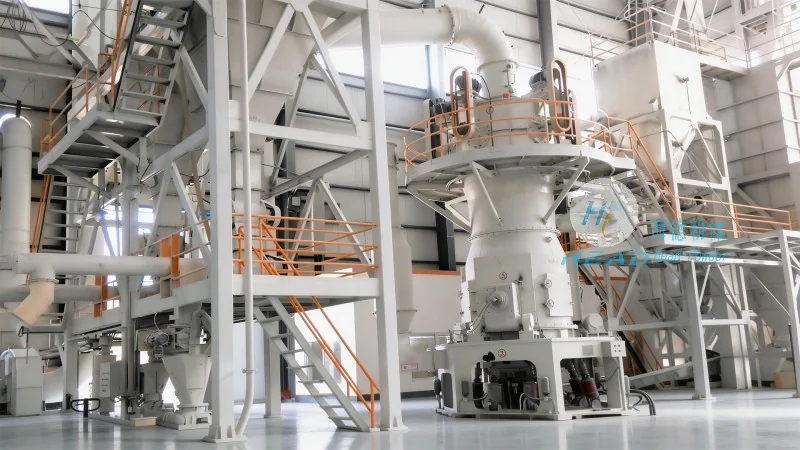
1. Pneumatic Conveying Systems
Pneumatic conveying, also known as air-based transport, utilizes compressed air to move clay ash particles through a pipeline. This method is widely used for its ability to handle fine and abrasive materials. There are two main types: dilute-phase and dense-phase systems. Dilute-phase systems use low air-to-solid ratios, suitable for long-distance transport and handling of light materials. Dense-phase systems, with higher air-to-solid ratios, are ideal for short distances and require less pressure, making them energy-efficient for certain applications. HeadPowder specializes in designing custom pneumatic conveying solutions that optimize air pressure, pipeline diameter, and material flow rates to ensure consistent performance and minimal wear on equipment.
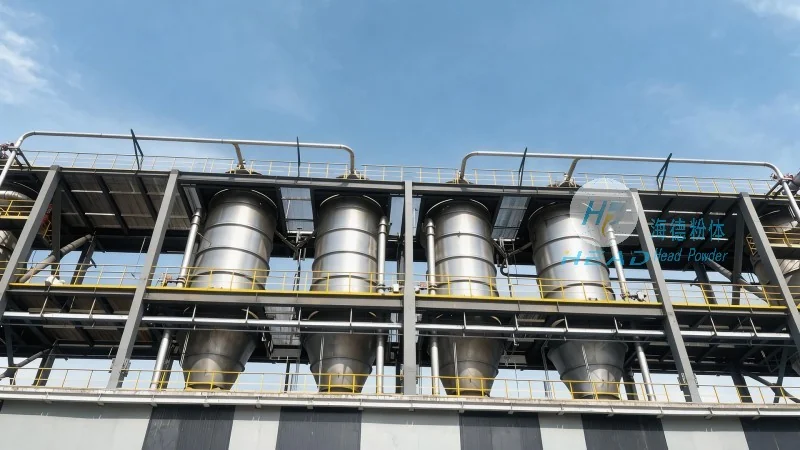
2. Mechanical Conveying Systems
Mechanical conveying methods rely on physical components such as belts, buckets, or screw conveyors to transport clay ash. Belt conveyors are commonly used for horizontal and slight incline transport, offering high capacity and low maintenance. Screw conveyors are effective for vertical or inclined transport, particularly in confined spaces. These systems are often preferred for bulk materials due to their simplicity and reliability. However, mechanical conveyors may experience higher wear and tear from abrasive clay ash, requiring regular maintenance and potential replacement of components. HeadPowder engineers consider material properties, such as particle size and abrasiveness, when selecting the appropriate mechanical system to minimize operational costs and maximize longevity.

3. Hydraulic Conveying Systems
Hydraulic conveying employs water to transport clay ash through pipelines. This method is particularly effective for handling wet or slurry-like materials, where other systems may struggle. The process involves mixing the clay ash with water to create a slurry, which is then pumped through a pipeline. Hydraulic systems are known for their ability to handle high volumes of material and are often used in mining and mineral processing industries. However, they require additional equipment for slurry preparation and separation, increasing initial investment and operational complexity. HeadPowder evaluates the feasibility of hydraulic conveying based on the specific characteristics of the clay ash, including moisture content and particle size, to ensure optimal performance and cost-effectiveness.
4. Comparison of Conveying Methods
When selecting a clay ash conveying method, several factors must be considered, including material properties, distance, capacity, and environmental regulations. Pneumatic systems excel in handling fine particles and long distances but may be less efficient for abrasive materials. Mechanical systems offer simplicity and reliability but require more maintenance. Hydraulic systems are ideal for wet materials but involve higher operational costs. HeadPowder provides comprehensive assessments to help clients choose the most suitable method, considering both short-term and long-term operational goals. By integrating advanced technology and material science, HeadPowder ensures that each conveying system is tailored to the unique requirements of the application, maximizing efficiency and minimizing environmental impact.
Conclusion and Company Expertise

Efficient clay ash conveying is critical for industrial operations, and the choice of method directly impacts overall performance and sustainability. Shandong HeadPowder Engineering Co., Ltd. leverages its expertise in engineering and material handling to design and implement optimal conveying solutions. With a focus on custom designs and rigorous testing, HeadPowder ensures that each system meets the specific needs of its clients, whether in manufacturing, mining, or other industries. By prioritizing reliability, efficiency, and environmental compliance, HeadPowder continues to be a trusted partner in the clay ash handling sector. For more information on clay ash conveying methods and tailored solutions, contact HeadPowder, a leading provider based in Shandong, China.

 Shandong Headpowder Engineering Co., Ltd.
 156-6277-7102(Quản lý Trương)
  0531-83386006
  Thành phố Tế Nam, Tỉnh Sơn Đông, Trung Quốc
Điện thoại
WeChatTư vấn
Lên đầu