Chuyên sâu trong lĩnh vực vật liệu rời công nghiệp, cung cấp giải pháp môi trường thông minh tích hợp cho phối trộn tự động, cấp liệu tập trung, khử lưu huỳnh và khử nitơ khô!
When it comes to the efficient and reliable delivery of nanometer calcium carbonate, selecting the right transportation method is crucial for maintaining product quality and operational efficiency. As a leading provider in the field, Shandong HeadPowder Engineering Co., Ltd. (referred to as HeadPowder) offers insights into the various options available for transporting this fine material. This article explores the key methods used for nanometer calcium carbonate transport, emphasizing practical applications and industry standards.
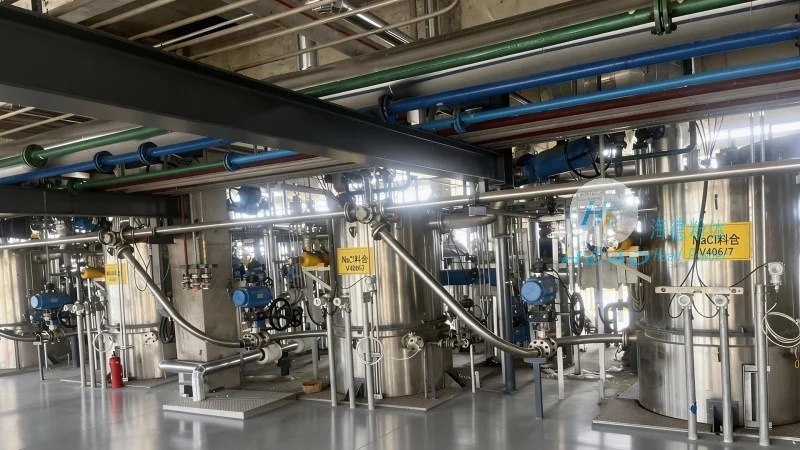
1. Pneumatic Conveying Systems
Pneumatic conveying is a widely adopted method for transporting nanometer calcium carbonate, especially in applications where dust control and flexibility are priorities. This system utilizes air or gas to move the material through a pipeline. There are two main types: pressure and vacuum systems. Pressure systems use compressed air to push the material forward, while vacuum systems create a negative pressure to draw the material into the line. HeadPowder’s expertise in designing customized pneumatic conveying solutions ensures that these systems are optimized for the specific characteristics of nanometer calcium carbonate, such as its fine particle size and potential for agglomeration. Proper design, including appropriate air velocities and pipeline dimensions, is essential to prevent particle degradation and ensure smooth flow.
2. Hydraulic Conveying (Pump Systems)
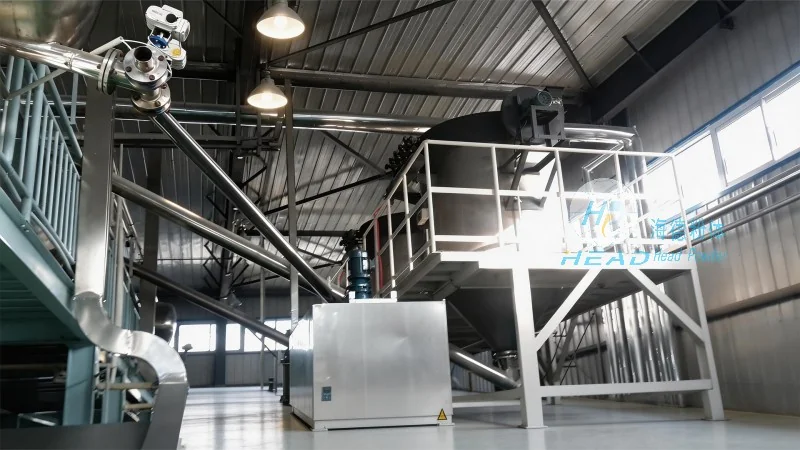
For larger volumes and more demanding applications, hydraulic conveying, often using pump systems, is an effective method. This approach involves pumping the nanometer calcium carbonate slurry through pipelines using positive displacement or centrifugal pumps. The material is typically mixed with a liquid carrier (like water or a specific solvent) to form a slurry, which is then transported. Hydraulic systems are particularly suitable for long-distance transport and can handle higher flow rates compared to pneumatic systems. However, they require careful management of the slurry consistency to avoid clogging and ensure consistent performance. HeadPowder’s engineering capabilities include the design of robust pump systems tailored to the unique properties of nanometer calcium carbonate, ensuring reliable operation and minimal maintenance.
3. Screw Conveyors and Auger Conveyors
Screw conveyors and auger conveyors are mechanical systems that use rotating screws or augers to move nanometer calcium carbonate. These systems are commonly used for short to medium-distance transport within processing facilities. They are particularly effective for handling dry powders and can be integrated with other equipment, such as hoppers and storage silos. The design of the screw or auger, including pitch and diameter, is critical to prevent material buildup and ensure consistent flow. HeadPowder’s experience in manufacturing and integrating these conveyors ensures that they are suitable for the fine, abrasive nature of nanometer calcium carbonate, minimizing wear and extending equipment life.
4. Belt Conveyors
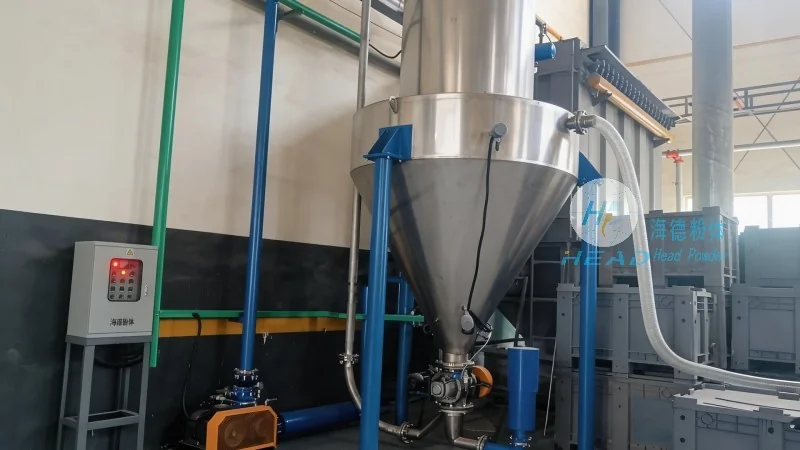
Belt conveyors are another common option for transporting nanometer calcium carbonate, especially in bulk handling operations. These systems use a continuous belt to move the material from one location to another. They are suitable for both dry and slightly wet powders and can handle large quantities efficiently. Belt conveyors are often used in conjunction with other equipment, such as feeders and classifiers, to control the flow rate and ensure uniform material distribution. HeadPowder’s expertise in conveyor system design includes the selection of appropriate belt materials and tensioning systems to accommodate the fine particle size of nanometer calcium carbonate, preventing material degradation and ensuring smooth operation.
5. Storage and Handling Considerations
Regardless of the chosen transportation method, proper storage and handling are essential to maintain the quality of nanometer calcium carbonate. The material is sensitive to moisture and can agglomerate, which affects its flow properties and performance. HeadPowder recommends using sealed storage containers and maintaining dry conditions to prevent degradation. Additionally, regular cleaning of transport equipment is necessary to prevent buildup and ensure consistent product quality. By adhering to these best practices, manufacturers can ensure that the nanometer calcium carbonate remains in optimal condition throughout the transportation process.
Conclusion
Choosing the right transportation method for nanometer calcium carbonate is a critical decision that impacts operational efficiency and product quality. Shandong HeadPowder Engineering Co., Ltd. provides comprehensive solutions, including customized pneumatic, hydraulic, and mechanical systems, tailored to the specific needs of each application. With their expertise in material handling and engineering, HeadPowder helps clients optimize their transport processes, ensuring reliable delivery of high-quality nanometer calcium carbonate. Whether for industrial or commercial use, the right transportation method, combined with proper handling and storage, is key to maintaining the integrity of this valuable material.

 Shandong Headpowder Engineering Co., Ltd.
 156-6277-7102(Quản lý Trương)
  0531-83386006
  Thành phố Tế Nam, Tỉnh Sơn Đông, Trung Quốc
Điện thoại
WeChatTư vấn
Lên đầu