Chuyên sâu trong lĩnh vực vật liệu rời công nghiệp, cung cấp giải pháp môi trường thông minh tích hợp cho phối trộn tự động, cấp liệu tập trung, khử lưu huỳnh và khử nitơ khô!
PP pellets, or polypropylene pellets, are a fundamental raw material in the plastics industry, used in manufacturing a wide range of products from packaging to automotive components. Efficient and reliable conveying of these pellets is crucial for maintaining production efficiency and ensuring product quality. Shandong HeadPowder Engineering Co., Ltd., a reputable manufacturer based in Shandong, China, offers a variety of conveying solutions tailored to the specific needs of PP pellet handling. This article explores the different methods available for PP pellet conveying, highlighting the advantages and applications of each system.
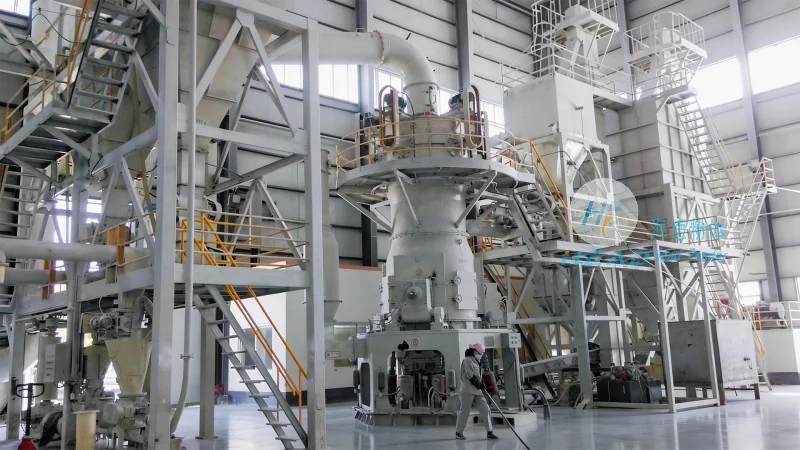
About Shandong HeadPowder Engineering Co., Ltd.
Shandong HeadPowder Engineering Co., Ltd. is a leading provider of material handling equipment, specializing in the design and manufacturing of conveying systems for various plastic materials. With years of experience in the industry, the company has developed a strong reputation for producing high-quality, durable, and efficient PP pellet conveying solutions. Located in Shandong, China, the company leverages advanced technology and rigorous quality control to meet the diverse requirements of its clients. Whether for short-distance or long-distance applications, HeadPowder's systems are engineered to deliver optimal performance and longevity.
Common Conveying Methods for PP Pellets
Several methods are commonly employed for the transportation of PP pellets, each with its own set of advantages and suitable applications. The choice of method depends on factors such as the distance to be covered, the volume of material, the required speed, and the characteristics of the pellets themselves. Below are some of the most widely used PP pellet conveying methods:
Screw Conveyor Systems for PP Pellets
Screw conveyors, also known as auger conveyors, are one of the most popular and versatile methods for conveying PP pellets. These systems consist of a rotating screw (auger) inside a cylindrical housing, which moves the material forward through the screw's flights. Screw conveyors are particularly effective for short to medium distances, both horizontally and at a slight incline. They are ideal for handling dry PP pellets, as they provide excellent sealing and prevent dust or contamination. The design is relatively simple, making it easy to install and maintain. HeadPowder's screw conveyor systems are engineered with robust materials and precision components to ensure high efficiency and minimal wear. They are capable of handling a wide range of pellet sizes and can be customized to meet specific production demands.

Pneumatic Conveying Systems for PP Pellets
Pneumatic conveying, or air conveying, is another effective method for transporting PP pellets, especially over longer distances or when multiple points of discharge are required. This system uses air pressure to move the pellets through a pipeline. There are two main types: suction (or vacuum) conveying and pressure conveying. Suction systems draw pellets from a hopper and transport them to a collection point, while pressure systems push pellets from a source to a destination. Pneumatic conveying offers the advantage of no mechanical contact between the pellets and the conveying equipment, reducing the risk of damage or contamination. It is particularly suitable for handling fine or dusty PP pellets, as the air flow helps to keep the material suspended and prevents clogging. HeadPowder's pneumatic conveying systems are designed with high-efficiency blowers and durable pipelines, ensuring reliable and consistent performance. These systems can handle high volumes of PP pellets and are often used in large-scale production facilities.

Belt Conveyor Systems for PP Pellets
Belt conveyors are widely used for the horizontal or slightly inclined transport of large volumes of PP pellets. These systems consist of a continuous belt that moves over rollers or pulleys, carrying the pellets from one point to another. Belt conveyors are known for their high capacity and ability to handle heavy loads, making them ideal for applications where large quantities of PP pellets need to be moved over long distances. The design is straightforward, with minimal moving parts, which reduces maintenance requirements and operational costs. HeadPowder's belt conveyor systems are constructed with high-quality materials, such as stainless steel or heavy-duty rubber, to withstand the abrasive nature of PP pellets. The conveyors can be equipped with various accessories, including side guards, cleaning mechanisms, and load sensors, to enhance safety and efficiency. These systems are commonly used in manufacturing plants for the continuous transfer of PP pellets to processing equipment.
Vibrating Conveyor Systems for PP Pellets
Vibrating conveyors are an alternative method for conveying PP pellets, particularly when dealing with larger or more irregularly shaped pellets, or when the material has a tendency to stick together. These systems utilize a vibrating mechanism to move the pellets along a trough. The vibration causes the pellets to move forward in a controlled manner, preventing clogging and ensuring smooth transport. Vibrating conveyors are effective for both horizontal and inclined applications and can handle a wide range of material types, including sticky or cohesive PP pellets. HeadPowder's vibrating conveyor systems are designed with adjustable vibration frequencies and amplitudes, allowing for customization to suit different pellet characteristics. The troughs are often made of stainless steel or other corrosion-resistant materials, ensuring durability and easy cleaning. These systems are particularly useful in applications where the pellets need to be mixed or sorted before further processing.
Conclusion: Choosing the Right PP Pellet Conveying Method
Selecting the appropriate PP pellet conveying method is critical to optimizing production efficiency and maintaining product quality. The choice should be based on a thorough analysis of the specific requirements of the application, including the distance to be covered, the volume of material, the speed of transport, and the characteristics of the PP pellets. Screw conveyors are excellent for short distances and provide reliable, low-maintenance operation. Pneumatic systems are ideal for long distances and multiple discharge points, offering the advantage of no mechanical contact. Belt conveyors are suitable for high-volume, long-distance horizontal transport, while vibrating conveyors are effective for handling larger or sticky pellets. Shandong HeadPowder Engineering Co., Ltd. offers a comprehensive range of PP pellet conveying solutions, each designed to meet the unique needs of its clients. By understanding the advantages and limitations of each method, manufacturers can select the most suitable system to enhance their production processes and achieve optimal results.

 Shandong Headpowder Engineering Co., Ltd.
 156-6277-7102(Quản lý Trương)
  0531-83386006
  Thành phố Tế Nam, Tỉnh Sơn Đông, Trung Quốc
Điện thoại
WeChatTư vấn
Lên đầu