Chuyên sâu trong lĩnh vực vật liệu rời công nghiệp, cung cấp giải pháp môi trường thông minh tích hợp cho phối trộn tự động, cấp liệu tập trung, khử lưu huỳnh và khử nitơ khô!
When it comes to the efficient handling and transportation of aluminum turnings, selecting the right conveying method is crucial for maintaining productivity and ensuring the safety of the operation. Aluminum turnings, often produced as a byproduct of metalworking processes, require specialized equipment to move them from one location to another without causing damage or contamination. This article explores several common methods used for aluminum turnings conveying, highlighting their applications and advantages.

1. Gravity Conveying Systems
Gravity conveying systems utilize the natural force of gravity to move aluminum turnings along a sloped path. These systems typically consist of a series of chutes or troughs that are inclined at an angle sufficient to allow the material to flow downward. The design of gravity conveyors is straightforward, often featuring smooth, non-stick surfaces to prevent the accumulation of turnings and reduce friction. For applications where the distance between the source and destination is relatively short and the material flow is consistent, gravity conveyors offer a cost-effective solution. They are particularly suitable for lighter aluminum turnings that can be easily guided along the sloped path without requiring additional power. The simplicity of gravity systems also means lower maintenance requirements, making them a reliable choice for many industrial settings.
2. Mechanical Conveying Methods
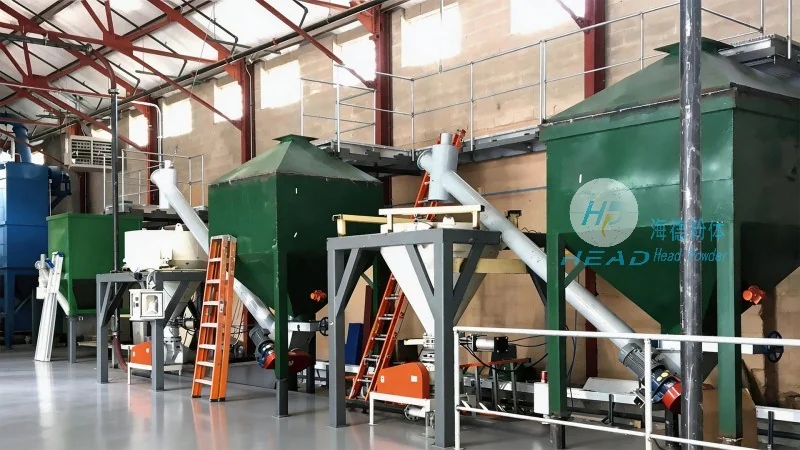
Mechanical conveying systems employ mechanical components to move aluminum turnings, offering greater control and flexibility compared to gravity systems. One common type is the belt conveyor, which uses a continuous loop of material (usually rubber or PVC) to transport turnings horizontally or at a slight incline. Belt conveyors are highly effective for moving larger quantities of aluminum turnings over longer distances, as they can handle varying loads and maintain a steady flow rate. The design of the belt system, including idlers and pulleys, ensures minimal wear and tear on the material being conveyed. Another mechanical option is the screw conveyor, or auger, which uses a rotating helical screw to push turnings forward through a cylindrical tube. Screw conveyors are ideal for applications where the material needs to be elevated or moved vertically, as they can handle both horizontal and vertical transport with equal efficiency. They are particularly useful when dealing with smaller aluminum turnings that might be prone to clogging in other systems. The mechanical nature of these conveyors allows for precise control over the speed and direction of the material flow, enhancing operational efficiency.
3. Pneumatic Conveying Systems
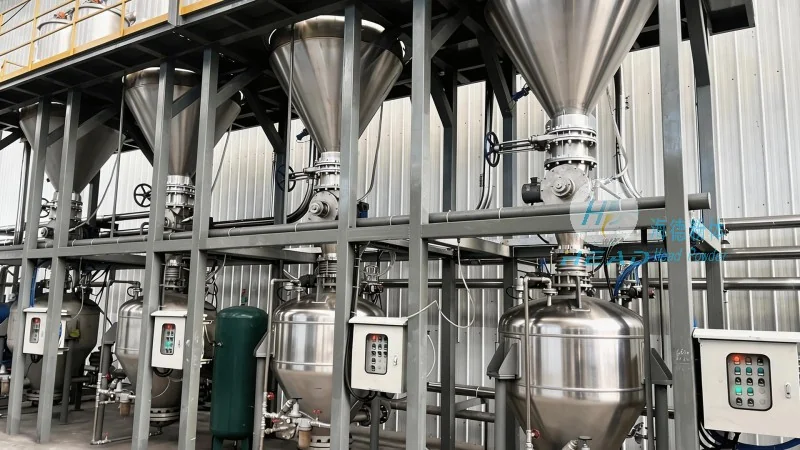
Pneumatic conveying systems use air or other gases to transport aluminum turnings through a pipeline. This method is often referred to as air conveying and can be categorized into two main types: dilute-phase and dense-phase. Dilute-phase systems operate by creating a high-velocity air stream that suspends the turnings in the air, allowing them to be carried through the pipeline. This approach is suitable for moving aluminum turnings over medium to long distances, especially when the material needs to be transported through vertical sections or around obstacles. Dense-phase systems, on the other hand, use a lower air velocity to move the material in a more compact form, reducing the risk of material degradation and improving the overall efficiency of the system. Pneumatic conveyors are particularly advantageous for applications where the material is sensitive to moisture or contamination, as the enclosed pipeline prevents exposure to the environment. They also offer the ability to transport turnings from multiple sources to a single destination, making them versatile for complex material handling scenarios. However, the initial investment and energy consumption of pneumatic systems are typically higher than other methods, which may affect their suitability for certain operations.
4. Hydraulic Conveying Solutions
Hydraulic conveying systems utilize water or other fluids to transport aluminum turnings, often in a slurry form. This method is commonly used in applications where the turnings are mixed with water to create a slurry that can be pumped through pipelines. Hydraulic conveyors are particularly effective for handling wet or sticky aluminum turnings that might be difficult to move using other methods. The fluid medium helps to lubricate the material, reducing friction and preventing blockages in the pipeline. These systems are often used in industrial settings where the material is generated in large quantities and needs to be transported to a processing or treatment facility. The design of hydraulic conveyors includes pumps, valves, and control systems to regulate the flow rate and pressure, ensuring consistent performance. While hydraulic systems can be highly effective, they require regular maintenance to prevent corrosion and ensure the fluid remains clean, which adds to the operational costs.
5. Combining Multiple Conveying Methods
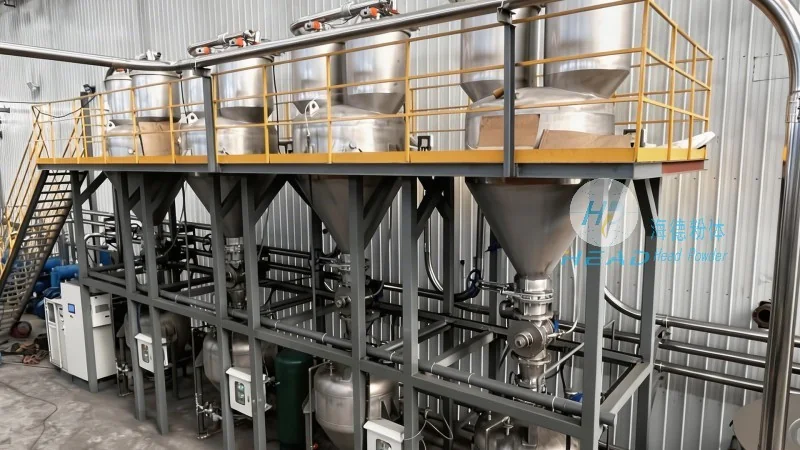
In many industrial applications, a single conveying method may not be sufficient to meet all the requirements of aluminum turnings handling. Therefore, combining multiple methods is often necessary to achieve optimal performance. For example, a gravity conveyor might be used to transport turnings from a machining station to a belt conveyor, which then moves them to a pneumatic system for final transport to a storage area. This integrated approach allows for the efficient use of each method's strengths while minimizing its weaknesses. The combination of gravity and mechanical conveyors can reduce energy consumption by using gravity for the initial movement and mechanical systems for longer or more complex routes. Similarly, pneumatic and hydraulic systems can be integrated to handle both dry and wet turnings, ensuring that all material types are processed effectively. The key to successful integration is proper planning and coordination, ensuring that each system communicates effectively and operates within its optimal parameters. This approach requires careful consideration of the material characteristics, the distance to be covered, and the overall operational goals of the facility.
6. Choosing the Right Conveying Method for Aluminum Turnings
When selecting a conveying method for aluminum turnings, several factors must be considered to ensure the best fit for the specific application. The first consideration is the distance and layout of the facility, as this will determine whether a gravity, mechanical, or pneumatic system is most suitable. Short distances may be better served by gravity or belt conveyors, while longer distances or complex layouts may require pneumatic or hydraulic systems. The characteristics of the aluminum turnings themselves are also critical, including their size, shape, and moisture content. Larger or irregularly shaped turnings may be better suited for mechanical conveyors, while smaller, fine turnings might be more effectively handled by pneumatic systems. The volume of material to be transported is another important factor, as higher volumes may necessitate larger or more powerful systems. Additionally, the budget and maintenance capabilities of the facility must be taken into account, as different conveying methods have varying costs and maintenance requirements. By carefully evaluating these factors, industrial operators can choose the most appropriate conveying method for their aluminum turnings, ensuring efficient operation, minimal downtime, and optimal material handling performance.
7. Conclusion
Efficient aluminum turnings conveying is essential for maintaining productivity and safety in metalworking operations. The methods discussed, including gravity, mechanical, pneumatic, and hydraulic systems, each offer unique advantages and are suitable for different applications. The choice of method depends on factors such as distance, material characteristics, and operational requirements. By understanding the strengths and limitations of each system, industrial facilities can select the most effective conveying solution for their needs. This not only improves the overall efficiency of the operation but also reduces the risk of material damage or contamination, contributing to better quality control and cost savings. As technology continues to advance, new and innovative conveying solutions may emerge, further enhancing the capabilities of aluminum turnings handling. However, for the foreseeable future, the methods discussed remain reliable and effective options for industrial use.

 Shandong Headpowder Engineering Co., Ltd.
 156-6277-7102(Quản lý Trương)
  0531-83386006
  Thành phố Tế Nam, Tỉnh Sơn Đông, Trung Quốc
Điện thoại
WeChatTư vấn
Lên đầu