Chuyên sâu trong lĩnh vực vật liệu rời công nghiệp, cung cấp giải pháp môi trường thông minh tích hợp cho phối trộn tự động, cấp liệu tập trung, khử lưu huỳnh và khử nitơ khô!
When it comes to transporting caustic soda, selecting the right method is crucial for ensuring safety, efficiency, and compliance with industry standards. Caustic soda, also known as sodium hydroxide, is a highly corrosive and reactive chemical that requires careful handling throughout its transportation process. The choice of transportation method depends on several factors, including the volume of the caustic soda being moved, the distance involved, and the specific requirements of the end-user. In this article, we explore the primary methods used for caustic soda transportation, highlighting the advantages and considerations of each approach. As a leading provider of caustic soda transportation solutions, Shandong HeadPowder Engineering Co., Ltd. specializes in ensuring safe and efficient movement of this essential chemical across various industries.
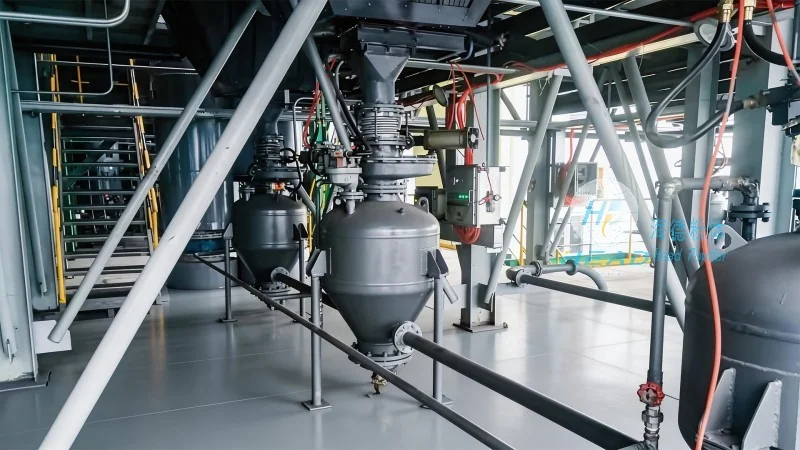
1. Tank Trucks for Bulk Transportation
For large-scale caustic soda transportation, tank trucks are the most common and practical option. These specialized vehicles are designed to carry large volumes of liquid chemicals, including caustic soda, in a safe and controlled manner. The tank trucks used for caustic soda are typically made from corrosion-resistant materials such as stainless steel or lined with protective coatings to prevent chemical degradation and leakage. The tank itself is equipped with a pressure relief system, temperature monitoring devices, and a secure loading and unloading mechanism. This method is ideal for transporting caustic soda over medium to long distances, as it allows for continuous flow and minimal handling. The use of tank trucks ensures that the caustic soda remains in a liquid state, which is often preferred for industrial applications where it is used as a raw material in processes like paper manufacturing, soap production, and water treatment.
2. Railcars for Long-Distance Transport
For long-distance transportation of caustic soda, railcars offer a cost-effective and efficient solution. Rail transport is particularly advantageous when dealing with large volumes over extended distances, as it can carry significantly more material than road tank trucks. The caustic soda is typically stored in specialized railcars that are designed to withstand the chemical's corrosive properties. These railcars are equipped with similar safety features as tank trucks, including pressure relief valves, temperature sensors, and secure coupling systems. The rail network provides a reliable and consistent route for transporting caustic soda from manufacturing facilities to distribution centers or end-users. This method is especially beneficial for companies that need to move large quantities of caustic soda across regions or even between provinces, as it reduces the number of road trips and associated logistics costs. However, rail transport may not be suitable for short-distance or time-sensitive deliveries, as it involves longer transit times compared to road transport.

3. Containerized Shipping for International and Regional Distribution
Containerized shipping is another method used for transporting caustic soda, particularly for international or regional distribution. This approach involves loading caustic soda into specialized containers that are designed to meet the requirements of international shipping regulations. The containers are typically made from stainless steel or other corrosion-resistant materials and are equipped with pressure and temperature monitoring systems to ensure safe transit. Containerized shipping allows for the consolidation of multiple shipments, making it an efficient option for companies that need to distribute caustic soda to multiple locations. The containers can be transported via trucks, trains, or ships, depending on the destination. This method is particularly useful for businesses that operate across different countries or regions, as it provides a standardized and secure way to move caustic soda while adhering to international safety standards. The use of containers also simplifies the handling and storage of caustic soda at the destination, as the containers can be directly loaded into storage tanks or processing equipment.

4. Pipelines for Intra-Plant and Local Transport
For intra-plant or local transportation of caustic soda, pipelines are a common and effective method. This approach involves installing a network of pipes within a facility or between nearby locations to move caustic soda from one point to another. Pipelines are particularly suitable for continuous or frequent transport of caustic soda, as they allow for a steady flow of the chemical without the need for repeated loading and unloading. The pipelines used for caustic soda are typically made from materials such as stainless steel, PVC, or other corrosion-resistant substances to prevent chemical interaction and leakage. The system includes valves, pumps, and monitoring devices to control the flow and ensure safety. This method is ideal for industrial plants that produce or use large quantities of caustic soda internally, as it reduces the risk of accidents and improves operational efficiency. The use of pipelines also minimizes the exposure of personnel to the caustic soda, as the chemical is contained within the pipes and handled through automated systems.

 Shandong Headpowder Engineering Co., Ltd.
 156-6277-7102(Quản lý Trương)
  0531-83386006
  Thành phố Tế Nam, Tỉnh Sơn Đông, Trung Quốc
Điện thoại
WeChatTư vấn
Lên đầu