Chuyên sâu trong lĩnh vực vật liệu rời công nghiệp, cung cấp giải pháp môi trường thông minh tích hợp cho phối trộn tự động, cấp liệu tập trung, khử lưu huỳnh và khử nitơ khô!
PTFE (Polytetrafluoroethylene), widely recognized for its exceptional chemical resistance, non-stick properties, and thermal stability, is a critical material in various industrial applications. The efficient conveyance of PTFE materials is essential for maintaining product integrity and operational efficiency in processing lines. This article explores the common methods used for PTFE conveyance, highlighting the key considerations and applications in industrial settings.
Understanding PTFE Conveyance Requirements
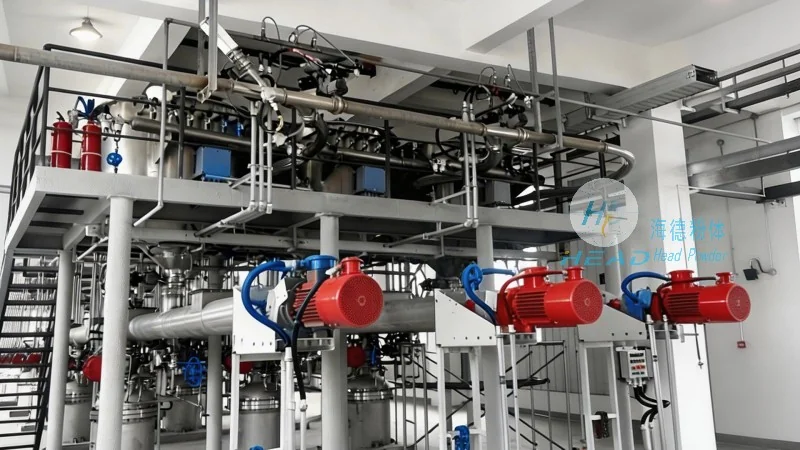
Before delving into specific conveyance methods, it is crucial to understand the unique characteristics of PTFE that influence the selection of appropriate handling techniques. PTFE is known for its low coefficient of friction, which can aid in smooth material movement, but its high density and potential for static buildup may require specialized equipment to prevent material degradation or equipment damage. Additionally, PTFE's resistance to most chemicals makes it suitable for handling aggressive substances, but its softness and low wear resistance mean that conveyance systems must be designed to minimize friction and abrasion. The choice of conveyance method often depends on the form of PTFE being transported—whether it is in powder, granule, or solid sheet form—and the specific process requirements of the application.
Common PTFE Conveyance Methods
Several methods are commonly employed for the conveyance of PTFE materials, each with its own advantages and suitable applications. The primary methods include pneumatic conveying, screw conveyors, belt conveyors, and mechanical handling systems. Each method is selected based on factors such as material form, process environment, and operational constraints.
Pneumatic Conveying Systems
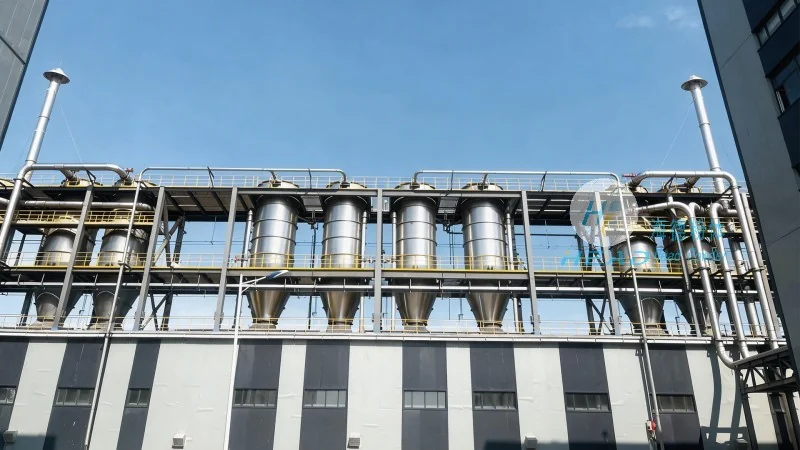
Pneumatic conveying is a widely used method for transporting PTFE powders and granules over short to medium distances. This technique involves using compressed air to move the material through a pipeline. There are two main types of pneumatic conveying systems: pressure and vacuum. Pressure systems use positive pressure to push the material forward, while vacuum systems use negative pressure to pull the material. PTFE's low dust generation and resistance to chemical exposure make it an ideal candidate for pneumatic conveyance, as the system can maintain material integrity and minimize contamination. However, the design of the system must consider the material's low bulk density and potential for static buildup, which can affect flow and system efficiency. Proper filtration and grounding are essential to prevent dust accumulation and ensure safe operation.
Screw Conveyors
Screw conveyors, also known as auger conveyors, are another common method for PTFE conveyance, particularly for bulk materials like powders and granules. These systems consist of a rotating screw (auger) inside a trough or tube, which moves the material forward through the system. Screw conveyors are suitable for PTFE due to their ability to handle abrasive materials and maintain a consistent flow rate. The design of the screw and trough can be customized to accommodate different PTFE forms, such as fine powders or larger granules. For PTFE, the screw and trough are typically made from materials that are compatible with PTFE, such as stainless steel or PTFE-coated components, to prevent material adhesion and ensure smooth operation. The speed of the screw and the angle of the trough can be adjusted to control the material's velocity and prevent clogging, which is crucial for maintaining system efficiency and preventing material degradation.
Belt Conveyors
Belt conveyors are commonly used for the conveyance of PTFE sheets or larger solid pieces. These systems utilize a continuous belt that moves the material along a path, often with the aid of rollers or idlers to support the belt and guide the material. Belt conveyors are ideal for PTFE due to their ability to handle larger, heavier items and maintain a stable flow. The belt material is typically chosen to be non-stick and resistant to PTFE's chemical properties, such as PTFE-coated belts or rubber belts with appropriate surface treatments. The design of the conveyor system must consider the weight and dimensions of the PTFE pieces to ensure proper load distribution and prevent belt damage. Additionally, the speed of the belt and the spacing of the rollers can be adjusted to control the material's movement and prevent slippage or material damage.
Mechanical Handling Systems
Mechanical handling systems, such as forklifts, cranes, and robotic arms, are used for the conveyance of larger PTFE components or finished products. These systems are particularly useful for moving PTFE sheets, plates, or molded parts from one location to another within a facility. The choice of mechanical handling equipment depends on the size, weight, and shape of the PTFE items being transported. For example, forklifts are commonly used for moving PTFE sheets or small parts, while cranes may be employed for larger, heavier components. Robotic arms can be integrated into automated systems to handle PTFE parts with precision and consistency. The use of mechanical handling systems allows for flexibility in material movement and can improve operational efficiency by reducing manual labor and minimizing material handling time.
Key Considerations for PTFE Conveyance
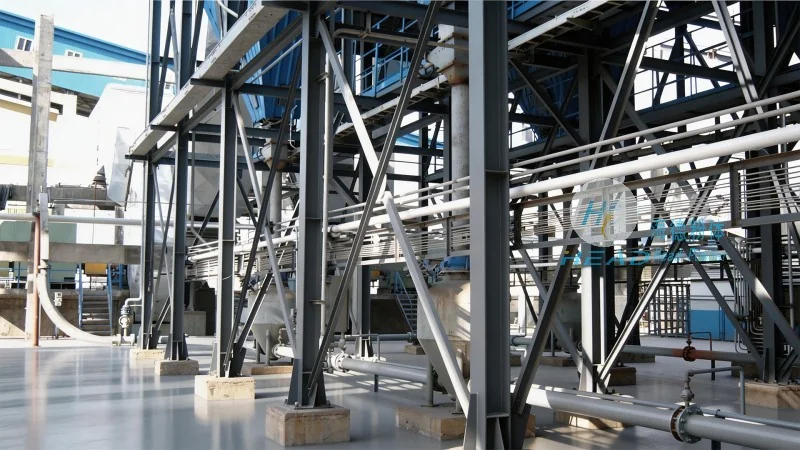
When selecting a PTFE conveyance method, several factors must be considered to ensure optimal performance and material integrity. First, the material's form and properties, such as its bulk density, flowability, and tendency to generate static, must be evaluated. Second, the process environment, including temperature, humidity, and chemical exposure, should be taken into account to ensure the conveyance system is compatible with the conditions. Third, the distance and speed requirements of the material movement must be considered to select the appropriate system. Fourth, the cost and maintenance requirements of the system should be evaluated to ensure it aligns with the operational budget and maintenance capabilities. Finally, safety considerations, such as dust control and equipment operation, must be addressed to prevent accidents and ensure compliance with regulations.
Conclusion
In conclusion, the conveyance of PTFE materials requires careful consideration of the material's unique properties and the specific requirements of the application. Pneumatic conveying, screw conveyors, belt conveyors, and mechanical handling systems are all viable options, each with its own advantages and suitable applications. By selecting the appropriate conveyance method and ensuring proper system design and maintenance, industrial facilities can maintain the integrity of PTFE materials and improve operational efficiency. As a leading provider of PTFE processing solutions, Shandong HeadPowder Engineering Co., Ltd. specializes in designing and implementing customized conveyance systems tailored to the specific needs of clients. With a focus on quality and innovation, HeadPowder offers comprehensive solutions for PTFE conveyance, ensuring reliable and efficient material handling in various industrial applications.

 Shandong Headpowder Engineering Co., Ltd.
 156-6277-7102(Quản lý Trương)
  0531-83386006
  Thành phố Tế Nam, Tỉnh Sơn Đông, Trung Quốc
Điện thoại
WeChatTư vấn
Lên đầu