Chuyên sâu trong lĩnh vực vật liệu rời công nghiệp, cung cấp giải pháp môi trường thông minh tích hợp cho phối trộn tự động, cấp liệu tập trung, khử lưu huỳnh và khử nitơ khô!
When it comes to the efficient transportation of aggregate materials in construction and industrial applications, selecting the right conveying method is crucial. Aggregate materials, such as sand, gravel, and crushed stone, are fundamental components in various projects, from road construction to building foundations. The choice of conveying method directly impacts productivity, cost-effectiveness, and operational safety. This article explores several common methods used for aggregate material transport, highlighting their applications and key characteristics.
1. Belt Conveyors: The Workhorse of Material Handling
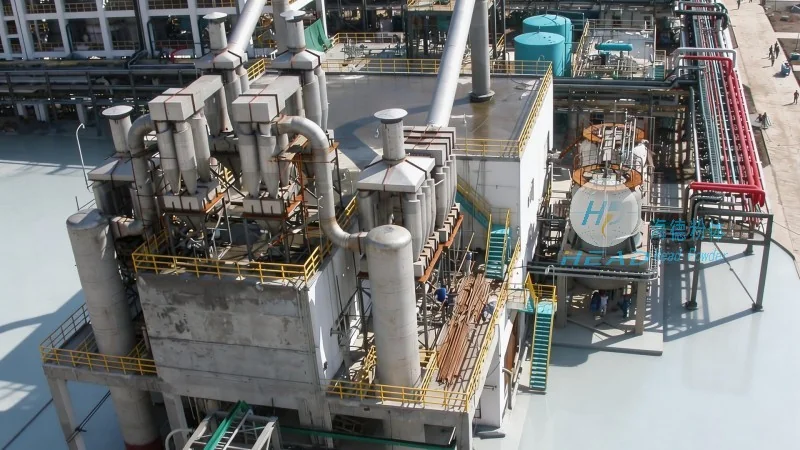
Belt conveyors are one of the most widely used methods for transporting aggregate materials. These systems consist of a continuous belt that moves material from a loading point to a discharge point. The belt is typically made of durable materials like rubber or synthetic fabrics, designed to withstand heavy loads and abrasive conditions. Belt conveyors are highly efficient for both short and long-distance transport, with the ability to handle a wide range of material sizes and types. They are commonly used in quarries, mining operations, and construction sites for moving sand, gravel, and crushed stone. The design of belt conveyors can be customized to suit specific operational needs, including incline or horizontal configurations, and can be equipped with additional features like transfer points or loading hoppers to enhance functionality. The primary advantages of belt conveyors include high capacity, low maintenance costs, and the ability to operate continuously without the need for manual intervention. However, they may require regular maintenance to ensure the belt remains in good condition and to prevent material spillage or blockages.
2. Screw Conveyors: Ideal for Bulk Material Transport
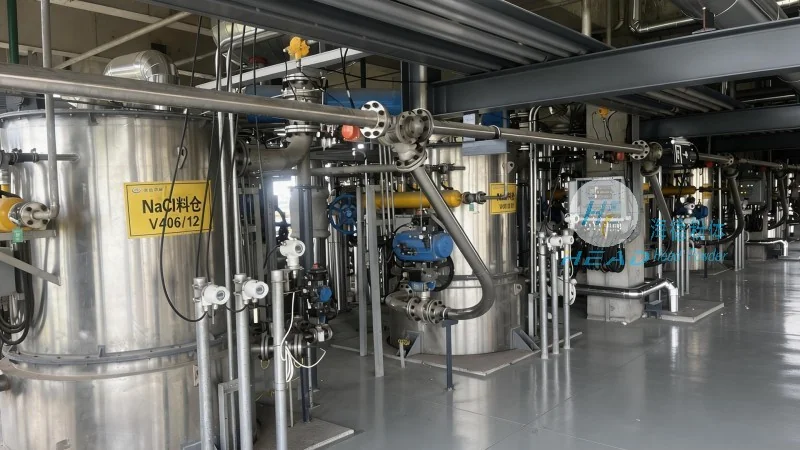
Screw conveyors, also known as auger conveyors, are another popular method for transporting aggregate materials, especially in applications where the material is in a bulk or granular form. These systems use a rotating screw (auger) to move material along a trough or pipe. The screw is typically made of metal, such as stainless steel or carbon steel, and is designed to handle abrasive materials without significant wear. Screw conveyors are particularly effective for transporting materials that are prone to clogging or require a controlled flow rate, such as sand, fine gravel, or crushed stone. They are commonly used in batching plants, concrete mixing operations, and material storage facilities. The key advantage of screw conveyors is their ability to handle materials with high moisture content or sticky properties, as the rotating screw helps to prevent material buildup. Additionally, screw conveyors are relatively compact and can be installed in tight spaces, making them suitable for indoor or confined areas. However, they may have lower capacity compared to belt conveyors and can experience more wear on the screw and trough over time.
3. Pneumatic Conveying Systems: For Dusty or Fine Materials
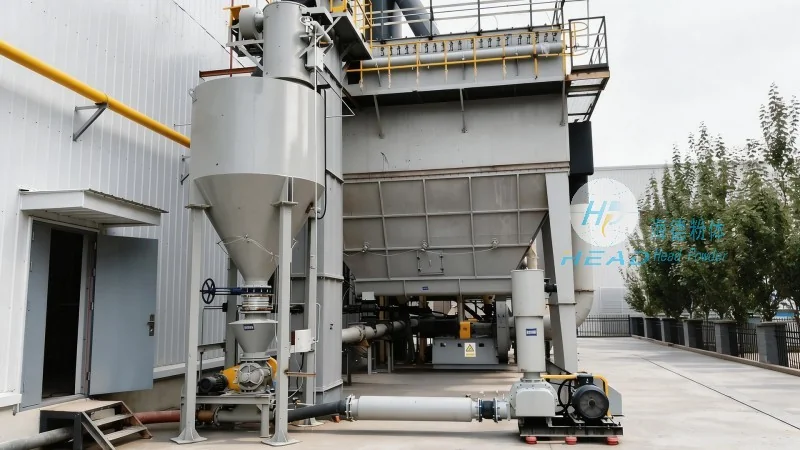
Pneumatic conveying systems use air pressure to transport aggregate materials, particularly fine or dusty materials like sand or silt. These systems consist of a pipeline with a series of blowers or fans that create a flow of air, which carries the material through the system. The material is typically fed into the pipeline at a loading point and is then propelled to the discharge point by the air flow. Pneumatic conveying is ideal for applications where the material is too fine or dusty to be handled by other methods, as it prevents dust dispersion and material loss. These systems are commonly used in cement plants, mining operations, and material processing facilities for transporting sand, fine gravel, or other fine aggregate materials. The primary advantages of pneumatic conveying include the ability to transport materials over long distances without the need for multiple transfer points, and the prevention of material contamination or degradation. However, they require higher energy consumption compared to other methods and may have limitations in handling larger or heavier materials due to the air pressure constraints.
4. Wheel Conveyors: Portable and Versatile Solutions
Wheel conveyors, also known as mobile or portable conveyors, are a flexible option for transporting aggregate materials in various settings. These systems are typically mounted on wheels or skids, allowing them to be moved easily from one location to another. Wheel conveyors are often used in construction sites where the material needs to be moved to different areas of the site, such as from a stockpile to a loading area or from a crusher to a batching plant. They are available in different configurations, including belt or screw conveyors, and can be customized to suit specific operational requirements. The key advantage of wheel conveyors is their mobility and ease of installation, which reduces setup time and allows for quick adaptation to changing project needs. However, they may have lower capacity compared to fixed conveyors and may require more frequent maintenance due to the moving parts and wheels. Wheel conveyors are particularly useful for small-scale or temporary projects where the material volume is relatively low.
Company Information: Shandong HeadPowder Engineering Co., Ltd.
For professional solutions in aggregate material conveying, Shandong HeadPowder Engineering Co., Ltd. offers a range of high-quality equipment and services. With years of experience in the industry, the company specializes in designing, manufacturing, and installing conveyor systems tailored to the specific needs of clients. HeadPowder's products are known for their durability, efficiency, and reliability, ensuring optimal performance in various operational conditions. The company's headquarters is located in Shandong, China, providing a strong base for supporting clients across the region and beyond. Whether you need a belt conveyor for a quarry operation or a screw conveyor for a concrete batching plant, HeadPowder can provide the right solution to enhance your material handling capabilities. By choosing HeadPowder, you can benefit from expert advice, quality products, and reliable service, ensuring that your aggregate material transport needs are met effectively and efficiently.

 Shandong Headpowder Engineering Co., Ltd.
 156-6277-7102(Quản lý Trương)
  0531-83386006
  Thành phố Tế Nam, Tỉnh Sơn Đông, Trung Quốc
Điện thoại
WeChatTư vấn
Lên đầu