Chuyên sâu trong lĩnh vực vật liệu rời công nghiệp, cung cấp giải pháp môi trường thông minh tích hợp cho phối trộn tự động, cấp liệu tập trung, khử lưu huỳnh và khử nitơ khô!
When it comes to the safe and efficient transportation of sodium dithionite, various methods are employed across industries. Understanding these common approaches is crucial for ensuring product integrity and operational efficiency. This article explores the typical methods used for sodium dithionite transportation, providing insights into best practices and considerations for handling this chemical.
1. Bulk Tanker Transport

Bulk tanker transport is a primary method for moving large volumes of sodium dithionite, a chemical widely used in industries such as pulp and paper, textiles, and water treatment. These specialized tankers are engineered to maintain the chemical's stability and prevent contamination during transit. The process begins with loading the material into the tank under controlled conditions, often using vacuum or pressure systems to ensure airtightness. The tanks are typically constructed from corrosion-resistant materials like stainless steel or lined steel, which are essential for withstanding the chemical's acidic properties. This method allows for high-volume transportation, making it suitable for large-scale production and distribution. Bulk tankers are equipped with features such as temperature sensors and ventilation systems to monitor and maintain the product's condition. The use of bulk tankers minimizes the risk of spills or leaks, as the entire load is contained within a single, sealed unit. This not only enhances safety but also reduces handling time and costs associated with multiple smaller containers. Shandong HeadPowder Engineering Co., Ltd. specializes in providing high-quality bulk tanker transport solutions for sodium dithionite, ensuring that the chemical is handled with the utmost care and compliance with industry standards.
2. Flexible Intermediate Bulk Containers (FIBCs)
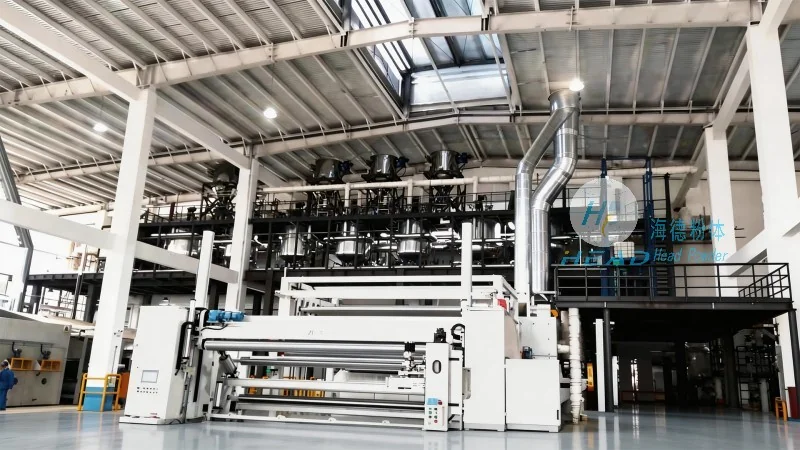
Flexible Intermediate Bulk Containers, commonly referred to as big bags or super sacks, offer a flexible and cost-effective solution for transporting sodium dithionite. These containers are ideal for handling bulk quantities while providing ease of storage and handling. FIBCs are manufactured from durable materials like polypropylene or nylon, which are resistant to the chemical's corrosive nature. The bags are filled under controlled conditions, often in a clean, dry environment, to prevent moisture ingress. Once filled, the bags are sealed using heat-sealing or zip-lock mechanisms to maintain the product's quality. FIBCs are commonly used in logistics and distribution networks, allowing for efficient loading and unloading at various stages of the supply chain. The use of FIBCs reduces packaging waste and lowers the environmental impact compared to traditional rigid containers. They are also easier to handle, as they can be lifted using forklifts or pallet jacks, reducing the risk of manual handling injuries. This method is particularly advantageous for meeting customer-specific order sizes and ensuring timely delivery.

3. Palletized Packaging
Palletized packaging is a practical approach for transporting smaller batches of sodium dithionite, typically used in distribution centers and retail environments. This method involves placing individual containers, such as plastic pails, steel drums, or fiber drums, on pallets for secure handling and transport. The containers are sealed and labeled with clear identification of the product and handling instructions. Palletized packaging allows for efficient stacking and storage, optimizing warehouse space and reducing handling time. The containers are designed to withstand the chemical's properties, with appropriate sealing and labeling to prevent leaks or contamination during transit. This method is particularly useful for meeting customer-specific order sizes and ensuring timely delivery. The use of pallets also facilitates the integration of automated handling systems, improving overall operational efficiency. Palletized packaging is commonly used for both domestic and international shipments, providing a reliable and cost-effective solution for small to medium volume transportation.
4. Specialized Transport Vehicles
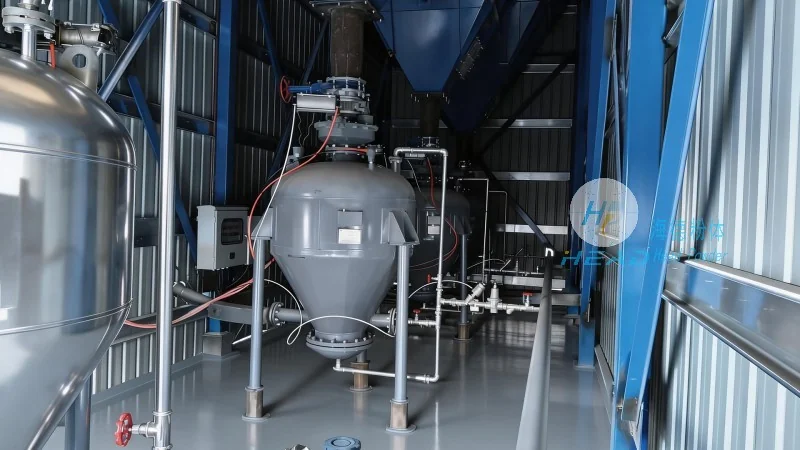
Specialized transport vehicles, including enclosed trailers and refrigerated units, are employed for transporting sodium dithionite, especially when temperature control is necessary. These vehicles are equipped with features to maintain the chemical's stability, such as temperature-controlled environments or ventilation systems. The use of specialized vehicles ensures that the product remains in optimal condition throughout the transportation process. This method is often used for long-distance or international shipments where environmental conditions may vary. The vehicles are designed to comply with safety regulations and industry standards, providing a secure and reliable means of transport. Specialized transport also allows for the integration of additional safety measures, such as spill containment systems, to further enhance the safety of the transportation process. For example, some vehicles may include secondary containment tanks to prevent leaks from reaching the environment. This level of safety is crucial when transporting hazardous materials like sodium dithionite, which can be reactive under certain conditions. The use of specialized vehicles also ensures that the product is delivered in a timely manner, meeting the demands of industries that rely on consistent supply.
5. Handling and Safety Considerations
Regardless of the transportation method used, proper handling and safety measures are paramount for the safe transport of sodium dithionite. This chemical is sensitive to moisture and air, which can cause degradation or hazardous reactions. Therefore, all transportation methods must be designed to minimize exposure to these elements. Personnel involved in the transportation process should be trained in proper handling procedures and equipped with appropriate personal protective equipment (PPE), such as gloves, goggles, and respirators. Regular inspections of transportation equipment are also necessary to ensure that they are in good working condition and free from damage. Compliance with local and international regulations regarding the transport of hazardous materials is crucial to prevent accidents and ensure the safety of all parties involved. For instance, the United Nations (UN) Model Regulations and the International Maritime Organization (IMO) guidelines provide specific requirements for the classification and transport of sodium dithionite. Adhering to these regulations helps in reducing the risk of incidents and maintaining the integrity of the supply chain. Additionally, emergency response plans should be in place to address any potential spills or leaks during transportation, ensuring that appropriate measures are taken to mitigate the impact on the environment and human health.

 Shandong Headpowder Engineering Co., Ltd.
 156-6277-7102(Quản lý Trương)
  0531-83386006
  Thành phố Tế Nam, Tỉnh Sơn Đông, Trung Quốc
Điện thoại
WeChatTư vấn
Lên đầu