Chuyên sâu trong lĩnh vực vật liệu rời công nghiệp, cung cấp giải pháp môi trường thông minh tích hợp cho phối trộn tự động, cấp liệu tập trung, khử lưu huỳnh và khử nitơ khô!
When it comes to the efficient handling and transportation of oat flour, selecting the right conveyance method is crucial for maintaining product quality and operational efficiency. As a leading provider in the field, Shandong HeadPowder Engineering Co., Ltd., based in Shandong, China, specializes in delivering tailored solutions for various bulk material handling needs, including oat flour. This article explores the common methods used for oat flour conveyance, highlighting the key considerations and applications of each approach.

1. Mechanical Conveyors: Traditional and Reliable Solutions
One of the most conventional methods for oat flour conveyance is through mechanical conveyors. These systems utilize mechanical components such as belts, screws, or buckets to move the material from one point to another. Belt conveyors, for instance, are widely used in industries due to their simplicity and effectiveness. They consist of a continuous belt that moves over rollers or pulleys, transporting the oat flour in a controlled manner. This method is particularly suitable for horizontal or slightly inclined applications, ensuring a steady flow of the product. Mechanical conveyors are known for their durability and low maintenance requirements, making them a reliable choice for long-term operations. Shandong HeadPowder Engineering Co., Ltd. offers a range of mechanical conveyor systems designed to handle the specific characteristics of oat flour, such as its fine texture and potential for dust generation. By incorporating features like dust suppression and material flow optimization, these conveyors help maintain the quality of the oat flour while ensuring smooth operation.

2. Pneumatic Conveying Systems: Efficient and Flexible Solutions
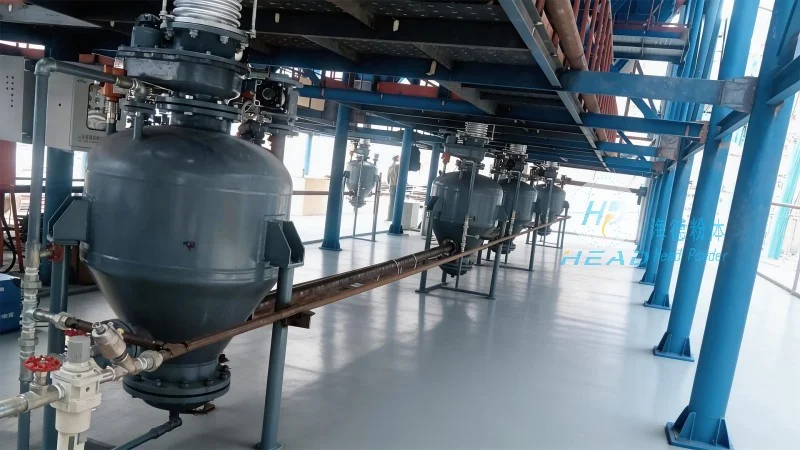
Another common method for oat flour conveyance is pneumatic conveying, which uses air or other gases to transport the material through a pipeline. This method offers high efficiency and flexibility, allowing for the movement of oat flour over longer distances and even vertically. There are two main types of pneumatic conveying systems: pressure and vacuum. Pressure systems use compressed air to push the oat flour through the pipeline, while vacuum systems use a vacuum to draw the material. Pneumatic conveying is particularly advantageous for handling fine powders like oat flour, as it minimizes product degradation and contamination. Shandong HeadPowder Engineering Co., Ltd. specializes in designing and manufacturing pneumatic conveying systems that are tailored to the unique properties of oat flour. These systems are equipped with advanced controls and filtration mechanisms to ensure consistent performance and maintain product purity. The flexibility of pneumatic conveying also allows for integration with other processing equipment, enabling seamless workflows in oat flour production lines.
3. Screw Conveyors: Versatile and Compact Solutions
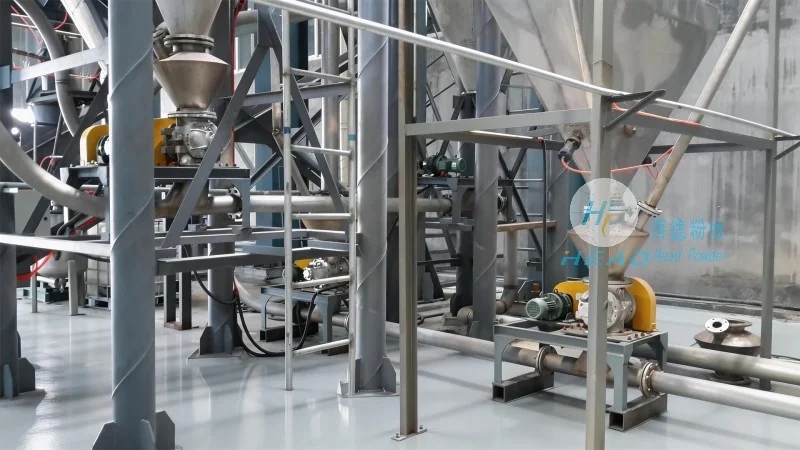
Screw conveyors are another popular option for oat flour conveyance, especially in applications where space is limited or the material needs to be moved in a vertical or inclined direction. These systems consist of a rotating screw (also known as a helicoid) that moves the oat flour along a U-shaped or tubular housing. The screw's rotation creates a pushing action, propelling the material forward. Screw conveyors are highly versatile and can handle a wide range of bulk materials, including oat flour, with minimal maintenance. They are particularly effective for handling materials that are prone to clogging or bridging, as the screw's design helps break up agglomerates and maintain a consistent flow. Shandong HeadPowder Engineering Co., Ltd. provides screw conveyors with adjustable speed controls and variable pitch screws, allowing for precise control over the conveying rate. This flexibility is crucial for optimizing the production process and ensuring that the oat flour is moved at the appropriate speed to prevent degradation or loss of quality.
4. Bucket Elevators: High-Capacity Vertical Conveyance
For applications requiring high-capacity vertical transport of oat flour, bucket elevators are an excellent choice. These systems consist of a continuous chain with attached buckets that move vertically between two points. The buckets are filled with oat flour at the bottom and discharged at the top, providing a high throughput for vertical conveyance. Bucket elevators are known for their high efficiency and ability to handle large volumes of material. They are particularly suitable for applications where the oat flour needs to be lifted to significant heights, such as in large-scale production facilities. Shandong HeadPowder Engineering Co., Ltd. designs bucket elevators with robust construction and advanced material handling features, ensuring reliable operation even with abrasive or fine materials like oat flour. The use of high-quality materials and precision engineering in these systems minimizes wear and tear, reducing maintenance costs and extending the lifespan of the equipment. Bucket elevators are also equipped with safety features such as emergency stop mechanisms and overload protection, ensuring safe and efficient operation.
5. Vibrating Conveyors: Gentle and Low-Pressure Solutions
For oat flour that is sensitive to pressure or impact, vibrating conveyors offer a gentle and low-pressure conveying method. These systems use vibrations to move the material along a trough or conveyor belt. The vibrations are typically generated by an electric motor and a vibrating mechanism, creating a shaking motion that propels the oat flour forward. Vibrating conveyors are particularly effective for handling delicate or friable materials, as they minimize the risk of breakage or degradation. This method is also suitable for applications where the material needs to be conveyed at a low speed or over short distances. Shandong HeadPowder Engineering Co., Ltd. manufactures vibrating conveyors with adjustable vibration frequencies and amplitudes, allowing for customization to suit the specific characteristics of oat flour. The design of these conveyors includes features such as smooth surfaces and minimal impact points, further reducing the risk of product damage. Vibrating conveyors are often used in combination with other processing equipment, such as screening or blending, to ensure a seamless flow of the oat flour through the production line.

 Shandong Headpowder Engineering Co., Ltd.
 156-6277-7102(Quản lý Trương)
  0531-83386006
  Thành phố Tế Nam, Tỉnh Sơn Đông, Trung Quốc
Điện thoại
WeChatTư vấn
Lên đầu