Chuyên sâu trong lĩnh vực vật liệu rời công nghiệp, cung cấp giải pháp môi trường thông minh tích hợp cho phối trộn tự động, cấp liệu tập trung, khử lưu huỳnh và khử nitơ khô!
Sintered dust ash, a byproduct of the sintering process in industrial applications, requires efficient and reliable transportation methods to ensure proper management and utilization. The handling of this material is critical for maintaining operational efficiency and environmental compliance. This article explores the various methods available for transporting sintered dust ash, with a focus on practical solutions offered by Shandong HeadPowder Engineering Co., Ltd., a leading provider in the field.

Importance of Efficient Dust Ash Handling
Efficient transportation of sintered dust ash is essential for several reasons. Firstly, it minimizes the risk of dust dispersion, which can impact air quality and pose health hazards to workers. Secondly, proper handling ensures that the material can be effectively recycled or repurposed, reducing waste and contributing to sustainable industrial practices. Additionally, streamlined transport systems enhance overall plant productivity by reducing downtime associated with material movement. For these reasons, selecting the right transportation method is a key consideration for industries dealing with sintered dust ash.
Common Methods for Sintered Dust Ash Transportation
Several methods are commonly employed for transporting sintered dust ash, each with its own advantages and applications. The choice of method depends on factors such as the volume of material, the distance to be transported, and the specific characteristics of the dust ash itself. The primary methods include:
A. Pneumatic Conveying Systems
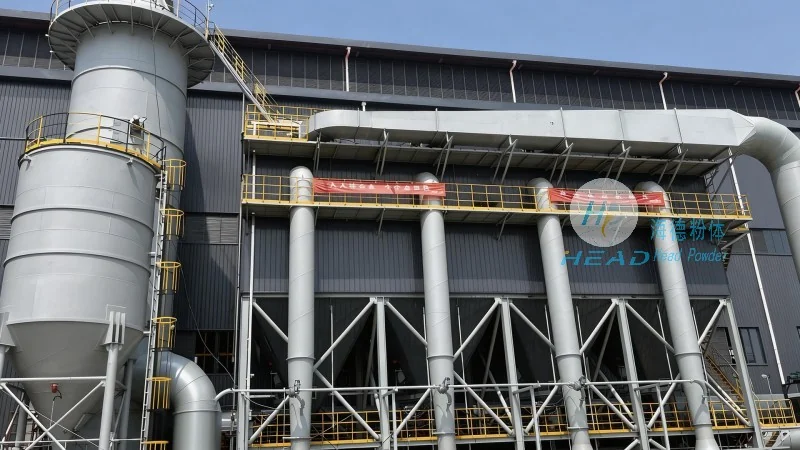
Pneumatic conveying, also known as air-based transport, is a widely used method for handling sintered dust ash. This system uses compressed air to move the material through a pipeline. There are two main types: pressure and vacuum systems. Pressure systems push the material forward using high-pressure air, while vacuum systems draw the material into the pipeline using a vacuum. Pneumatic conveying is particularly effective for fine, dry dusts and can transport materials over long distances with minimal maintenance. It offers advantages such as low noise levels, no moving parts in the pipeline, and the ability to handle materials with varying particle sizes.
B. Mechanical Conveying Systems
Mechanical conveying systems utilize physical components to move sintered dust ash. These include belt conveyors, screw conveyors, and bucket elevators. Belt conveyors are commonly used for transporting bulk materials over short to medium distances. They are cost-effective and can handle large volumes of material. Screw conveyors, also known as auger conveyors, are suitable for transporting dry, free-flowing materials and can operate in vertical or horizontal configurations. Bucket elevators are used to lift materials vertically and are ideal for applications where the material needs to be elevated to a higher level. Mechanical systems are generally more suitable for handling larger, bulkier particles and may require more maintenance compared to pneumatic systems.
C. Hydraulic Conveying Systems
Hydraulic conveying systems use water or other liquids to transport sintered dust ash. The material is mixed with water to form a slurry, which is then pumped through pipelines. This method is particularly effective for handling wet or sticky dusts and can transport materials over long distances. Hydraulic systems are often used in applications where the material is to be processed further, such as in a water treatment or recycling facility. However, they require additional equipment for slurry preparation and may involve higher operational costs due to the need for water management.
HeadPowder's Solutions for Sintered Dust Ash Transport
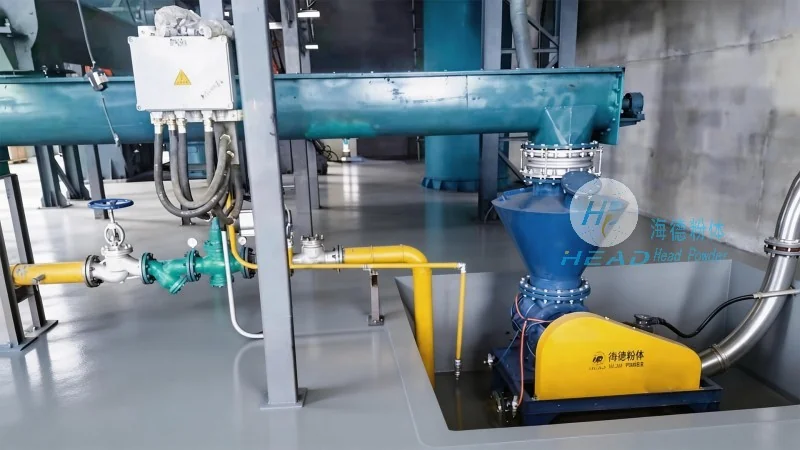
Shandong HeadPowder Engineering Co., Ltd. specializes in providing tailored solutions for sintered dust ash transportation. The company offers a range of equipment and systems designed to meet the specific needs of industrial clients. HeadPowder's expertise lies in designing and manufacturing custom pneumatic and mechanical conveying systems that optimize material handling efficiency. Their solutions are engineered to handle the unique characteristics of sintered dust ash, ensuring minimal loss and maximum throughput. The company's products are known for their durability, reliability, and ease of maintenance, making them a preferred choice for industries operating in demanding environments.
HeadPowder's team of engineers works closely with clients to assess their specific requirements, including the volume of material, transportation distance, and operational constraints. Based on this assessment, they design and install systems that integrate seamlessly with existing infrastructure. The company also provides comprehensive after-sales support, including maintenance services and technical assistance, to ensure the long-term performance of their equipment. By leveraging advanced technology and years of industry experience, HeadPowder delivers solutions that enhance operational efficiency and reduce costs for its clients.
Conclusion
In conclusion, the efficient transportation of sintered dust ash is a critical aspect of industrial operations. The choice of transportation method depends on various factors, and selecting the right system can significantly impact operational efficiency and environmental compliance. Shandong HeadPowder Engineering Co., Ltd. offers reliable and effective solutions for sintered dust ash transport, catering to the diverse needs of industrial clients. By investing in appropriate transportation systems, industries can improve their overall productivity, reduce waste, and contribute to sustainable practices. For more information on HeadPowder's products and services, please contact the company directly.

 Shandong Headpowder Engineering Co., Ltd.
 156-6277-7102(Quản lý Trương)
  0531-83386006
  Thành phố Tế Nam, Tỉnh Sơn Đông, Trung Quốc
Điện thoại
WeChatTư vấn
Lên đầu