Chuyên sâu trong lĩnh vực vật liệu rời công nghiệp, cung cấp giải pháp môi trường thông minh tích hợp cho phối trộn tự động, cấp liệu tập trung, khử lưu huỳnh và khử nitơ khô!
For industrial applications, the efficient and reliable delivery of additives is crucial to maintaining product quality and process consistency. Various methods are employed to achieve this, each with its own advantages and applications. This article explores the common methods of additive delivery, highlighting the importance of selecting the appropriate system for specific operational needs.

Understanding Additive Delivery Systems
Additive delivery systems are designed to transport materials such as powders, granules, or liquids from storage to processing equipment. The choice of delivery method depends on factors like material properties, process requirements, and operational environment. Key considerations include material flow characteristics, required delivery rates, and the need for contamination control or precise dosing.
Common Methods of Additive Delivery
Several standard approaches are widely used in industrial settings. These include gravity-fed systems, pressure-driven systems, vacuum-assisted systems, and pneumatic conveying methods. Each method offers unique benefits and is suited to different scenarios.
Gravity-Fed Delivery Systems
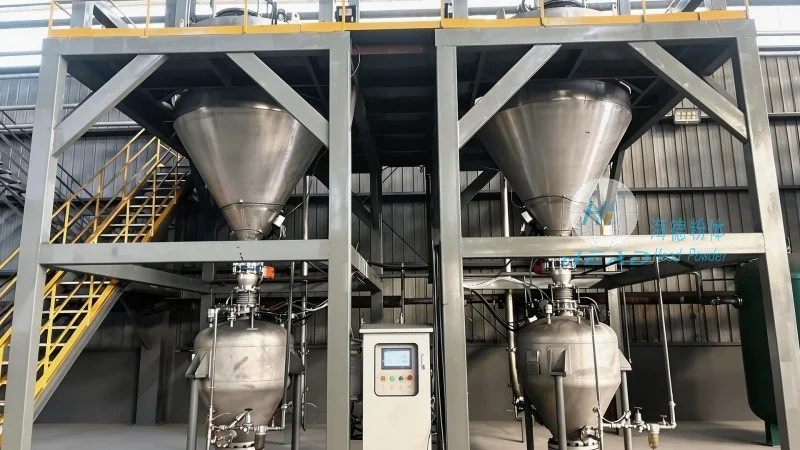
Gravity-fed systems rely on the natural force of gravity to move materials from a storage bin or hopper to the processing equipment. This method is simple and cost-effective, making it ideal for applications where the material is free-flowing and can be easily discharged. The system typically consists of a hopper or bin, a discharge chute, and a receiving vessel. The flow rate is controlled by the height of the material in the hopper and the size of the discharge opening. For instance, in food processing or chemical manufacturing, gravity-fed systems are commonly used for delivering ingredients like sugar, salt, or chemical additives. The simplicity of this approach minimizes the need for additional equipment, reducing maintenance and operational costs.
Pressure-Driven Delivery Systems
Pressure-driven systems use compressed air or gas to force materials through a pipeline. This method is particularly effective for materials that are cohesive or have poor flow characteristics. The pressure is generated by a blower or compressor and is applied to the material in a hopper or silo, creating a flow of material through the delivery line. The system can deliver materials over longer distances and at higher rates compared to gravity-fed methods. In industrial settings, pressure-driven systems are often used for delivering powders like cement, flour, or pharmaceutical additives. The ability to control pressure allows for precise dosing and consistent flow, which is critical in processes where uniform material addition is required. The system typically includes a pressure vessel, a control valve, and a delivery line with appropriate fittings. Regular maintenance of the pressure system is essential to ensure consistent performance and prevent material blockages.
Vacuum-Assisted Delivery Systems

Vacuum-assisted systems use a vacuum to draw materials from a storage container into a delivery line. This method is suitable for materials that are light or have a tendency to float, as the vacuum helps to maintain a consistent flow. The system operates by creating a negative pressure in the delivery line, which pulls the material from the source. Vacuum-assisted delivery is commonly used in applications where the material needs to be transported from a high or difficult-to-reach location. For example, in agricultural or food processing industries, this method is used to deliver grain or feed additives from storage silos to processing equipment. The system includes a vacuum pump, a filter to remove dust or particles, and a delivery line with a suitable inlet. The vacuum level can be adjusted to control the flow rate, ensuring that the material is delivered at the desired speed without causing excessive wear on the equipment.
Pneumatic Conveying Methods
Pneumatic conveying combines the principles of pressure and vacuum delivery, using air or gas to transport materials in a closed system. This method is versatile and can handle a wide range of materials, from fine powders to bulk solids. The system operates by introducing air into the material, creating a slurry that is then conveyed through the pipeline. Pneumatic conveying can be further classified into different types, such as dilute phase and dense phase, each with specific applications. Dilute phase systems are used for materials that are free-flowing and require low pressure, while dense phase systems are suitable for cohesive materials that need higher pressure to maintain flow. In industrial applications, pneumatic conveying is often used for delivering additives in chemical, pharmaceutical, and food industries. The system includes a material feeder, a conveying line, and a receiver, with optional components like cyclones or filters to separate the material from the air. The choice between dilute and dense phase depends on the material's properties and the required delivery rate.
Factors Influencing the Choice of Delivery Method

The selection of an additive delivery method is influenced by several key factors. Material properties, such as particle size, density, and flowability, are primary considerations. For example, cohesive powders may require pressure-driven or pneumatic systems to ensure smooth flow, while free-flowing granules can be handled by gravity-fed systems. Process requirements, including the required delivery rate, distance, and precision of dosing, also play a significant role. In high-speed manufacturing processes, precise dosing is essential, which may necessitate the use of advanced control systems integrated with the delivery method. Environmental considerations, such as the need for dust control or containment, can also impact the choice. For example, in food processing, systems that prevent contamination and maintain hygiene are preferred. The cost of equipment, maintenance, and operational expenses must also be evaluated. While some methods are more cost-effective initially, others may offer long-term savings through reduced downtime or improved efficiency.
Conclusion
The methods of additive delivery are diverse and each serves specific industrial needs. Gravity-fed systems offer simplicity and cost-effectiveness for free-flowing materials, while pressure-driven and pneumatic systems provide greater control and efficiency for challenging materials. Understanding the material properties and process requirements is essential in selecting the appropriate delivery system. Companies like Shandong HeadPowder Engineering Co., Ltd., based in China, specialize in designing and manufacturing customized additive delivery solutions to meet the unique needs of various industries. By leveraging advanced engineering and material handling expertise, such companies ensure that additive delivery systems are reliable, efficient, and tailored to the specific demands of industrial applications.

 Shandong Headpowder Engineering Co., Ltd.
 156-6277-7102(Quản lý Trương)
  0531-83386006
  Thành phố Tế Nam, Tỉnh Sơn Đông, Trung Quốc
Điện thoại
WeChatTư vấn
Lên đầu