Chuyên sâu trong lĩnh vực vật liệu rời công nghiệp, cung cấp giải pháp môi trường thông minh tích hợp cho phối trộn tự động, cấp liệu tập trung, khử lưu huỳnh và khử nitơ khô!
Manganese silicate, a compound widely utilized in industrial applications, requires careful handling during transportation to preserve its quality and integrity. The selection of a transportation method depends on factors such as quantity, destination, and specific client requirements. This article explores common methods for transporting manganese silicate, emphasizing considerations and best practices for each approach.
1. Packaging and Handling for Safe Transport
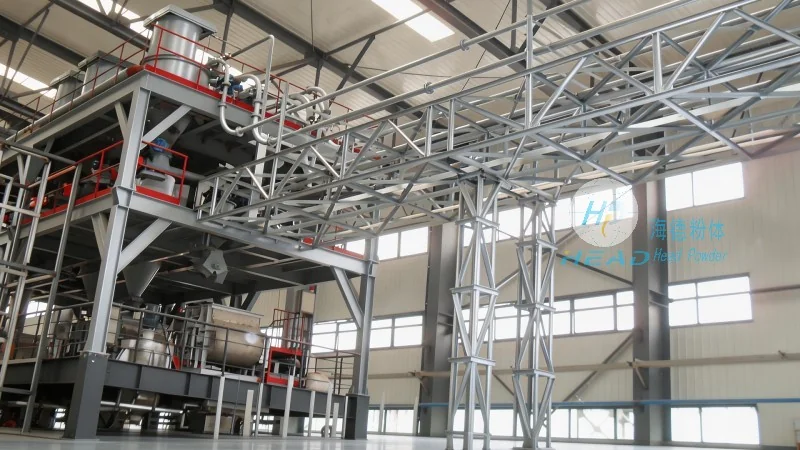
Before transit, manganese silicate is packaged in suitable containers to protect it from moisture, contamination, and physical damage. Common packaging includes sealed plastic bags, multi-layered paper sacks, or specialized bulk containers. The packaging material must be compatible with the chemical properties of manganese silicate to prevent reactions that could compromise quality. For moisture-sensitive products, moisture-proof packaging is essential. Clear labeling with hazard information, chemical name, UN number, and safety instructions is mandatory to ensure handlers and transporters follow proper precautions.
2. Bulk Transportation via Trucks and Trailers
For large quantities, bulk transport using trucks and trailers is standard. This suits industrial clients needing substantial amounts for production. Specialized trailers with airtight or sealed compartments prevent spillage and contamination. Loading and unloading are managed to minimize dust and maintain containment. Shandong HeadPowder Engineering Co., Ltd., based in China, uses this method for regional deliveries. Their logistics team schedules shipments considering road conditions, weather, and timelines. By partnering with reputable trucking firms, they ensure reliable and timely delivery to industrial sites.
3. Containerized Shipping for International Markets
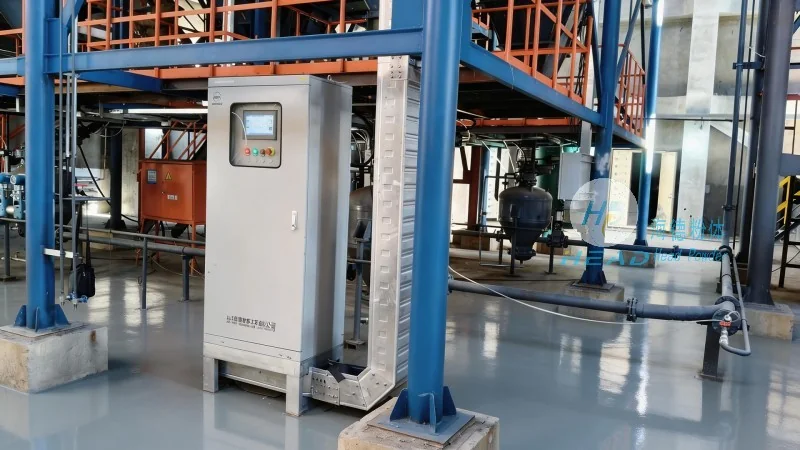
International clients rely on containerized shipping. Material is loaded into standard shipping containers, transported via sea or rail. This offers cost-effectiveness for long distances and consolidation of shipments. Containers protect cargo from rain, humidity, and temperature changes. Ventilation or desiccants control moisture. Shandong HeadPowder Engineering Co., Ltd. partners with international shipping lines for exports. Their export team handles customs declarations and certificates of analysis for smooth clearance. This method serves global clients while maintaining product quality.
4. Specialized Transport for Hazardous or Sensitive Materials
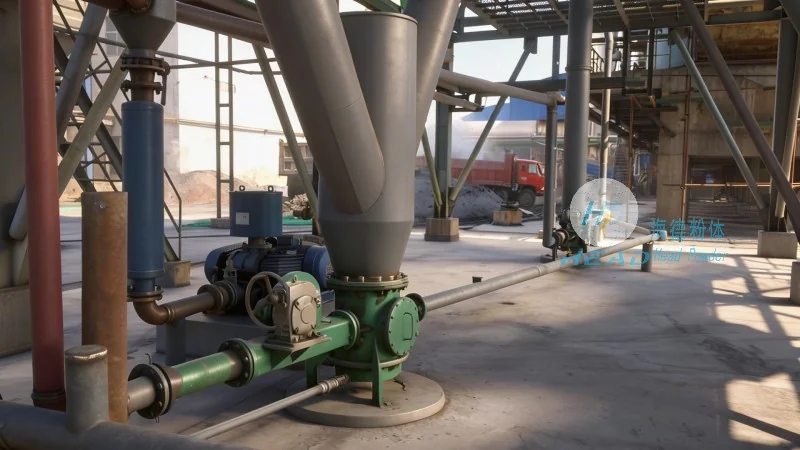
When classified as hazardous, specialized transport is required. Vehicles must have spill containment, emergency response equipment, and certified personnel. Routes avoid high-density or sensitive areas. Shandong HeadPowder Engineering Co., Ltd. adheres to safety standards, conducting risk assessments before each shipment. Mitigation measures are implemented to ensure safety and build client trust in responsible handling.
5. Short-Distance and Local Deliveries
For shorter distances, vans or delivery trucks are used. Suitable for smaller quantities near the facility. Direct loading from warehouse to client site minimizes handling steps and damage risk. The company offers flexible delivery options for regular or occasional shipments. Drivers use protective equipment and follow procedures to ensure product arrives in optimal condition for immediate use.

6. Environmental and Sustainability Considerations
Environmental concerns drive sustainability in transportation. The company reduces carbon footprint by optimizing routes and using fuel-efficient vehicles. Rail transport over road reduces emissions for long distances. Waste management and reusable containers minimize landfill impact. These practices align with regulatory requirements and appeal to environmentally conscious clients, demonstrating commitment to quality and environmental stewardship.

 Shandong Headpowder Engineering Co., Ltd.
 156-6277-7102(Quản lý Trương)
  0531-83386006
  Thành phố Tế Nam, Tỉnh Sơn Đông, Trung Quốc
Điện thoại
WeChatTư vấn
Lên đầu