Chuyên sâu trong lĩnh vực vật liệu rời công nghiệp, cung cấp giải pháp môi trường thông minh tích hợp cho phối trộn tự động, cấp liệu tập trung, khử lưu huỳnh và khử nitơ khô!
When it comes to the handling and transportation of silicon carbide, various methods are employed to ensure efficient and safe operation. As a leading provider in the field, Shandong HeadPowder Engineering Co., Ltd. specializes in delivering tailored solutions for different industrial applications. This article explores the primary methods of silicon carbide conveyance, highlighting the key considerations and technologies involved. Silicon carbide, known for its hardness and chemical resistance, poses unique challenges during transport, requiring specialized equipment and design considerations to maintain material integrity and system longevity.
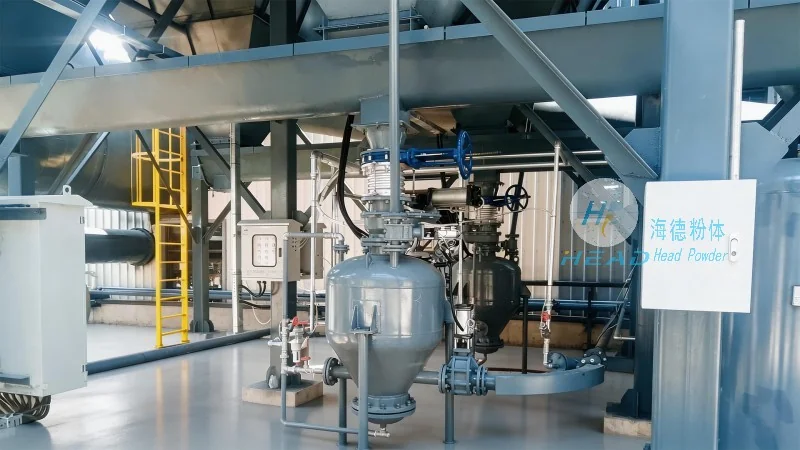
1. Screw Conveyors for Silicon Carbide

Screw conveyors are a common choice for silicon carbide transport due to their ability to handle dry, free-flowing materials. These systems consist of a rotating helical screw within a trough, which moves the material forward through the conveyor. The design allows for vertical or inclined transport, making them versatile for different layout requirements. For silicon carbide, which is an abrasive and hard material, special materials like stainless steel or high-chrome alloy are often used for the screw and housing to prevent wear and ensure longevity. The speed and pitch of the screw can be adjusted to control the flow rate and prevent material buildup, which is crucial for maintaining consistent performance. Additionally, the trough design may include wear-resistant liners to further extend the conveyor's lifespan. Screw conveyors are particularly effective in applications where a continuous, enclosed transport is needed, minimizing dust exposure and environmental impact.
2. Belt Conveyors in Silicon Carbide Handling

Belt conveyors are widely used for bulk material transport, including silicon carbide, especially in large-scale operations. These systems utilize a continuous belt loop that moves over rollers or pulleys, carrying the material from one point to another. The belt material is typically chosen for its durability and resistance to abrasion, such as rubber or specialized synthetic materials. The design can accommodate both horizontal and inclined runs, with the angle of inclination affecting the maximum load capacity. For silicon carbide, which is a hard and abrasive material, the belt and idlers are often reinforced with metal or composite materials to withstand the high friction and wear. Proper maintenance, including regular tension checks, cleaning, and replacement of worn components, is essential to prevent belt slippage and ensure smooth operation. Belt conveyors are advantageous for long-distance transport and can be integrated with other equipment like feeders, screens, or sorters to form a complete material handling system.

 Shandong Headpowder Engineering Co., Ltd.
 156-6277-7102(Quản lý Trương)
  0531-83386006
  Thành phố Tế Nam, Tỉnh Sơn Đông, Trung Quốc
Điện thoại
WeChatTư vấn
Lên đầu