Chuyên sâu trong lĩnh vực vật liệu rời công nghiệp, cung cấp giải pháp môi trường thông minh tích hợp cho phối trộn tự động, cấp liệu tập trung, khử lưu huỳnh và khử nitơ khô!
Yeast, a crucial ingredient in various industries including brewing, baking, and biotechnology, requires efficient and reliable transportation methods to ensure quality and consistency. The process of moving yeast from production facilities to end-use applications involves several techniques tailored to different operational needs and scales. This article explores the primary methods used for yeast transportation, highlighting the key considerations and applications in industrial settings.
1. Pneumatic Conveying Systems
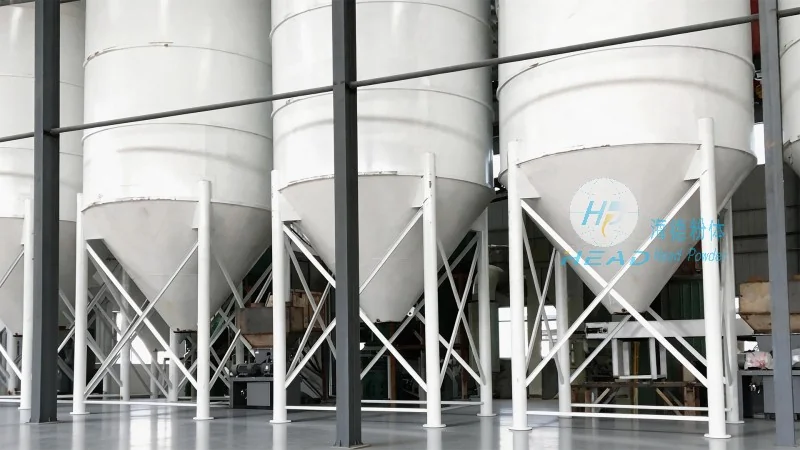

Pneumatic conveying, also known as air-based transport, is a widely used method for transporting yeast, especially in large-scale operations. This system utilizes compressed air to move yeast particles through a pipeline. There are two main types: dilute-phase and dense-phase conveying. Dilute-phase systems are suitable for transporting yeast over short to medium distances, while dense-phase systems are preferred for longer distances or when higher pressure is required. The choice between these depends on factors such as the distance, volume of yeast, and the need for gentle handling to prevent cell damage. Pneumatic conveying offers advantages like minimal equipment contact, which helps maintain the yeast's viability and quality. However, it may require more energy compared to other methods and can be sensitive to the moisture content of the yeast, as excessive moisture can affect the air flow and system efficiency.
2. Mechanical Conveying Equipment
Mechanical conveying systems use mechanical components like screws, belts, or buckets to transport yeast. Screw conveyors, for instance, are commonly used in breweries and bakeries to move yeast from storage tanks to fermentation vessels. These systems are relatively simple, low-cost, and can handle a wide range of yeast types and moisture levels. They are particularly effective for horizontal or slightly inclined transport, as the rotating screw pushes the yeast along the tube. However, mechanical conveyors may cause more physical stress on the yeast cells compared to pneumatic systems, potentially reducing their viability. To mitigate this, some designs incorporate gentle handling features, such as slow rotation speeds or smooth surfaces, to minimize cell damage.
3. Pumping and Fluidization Techniques
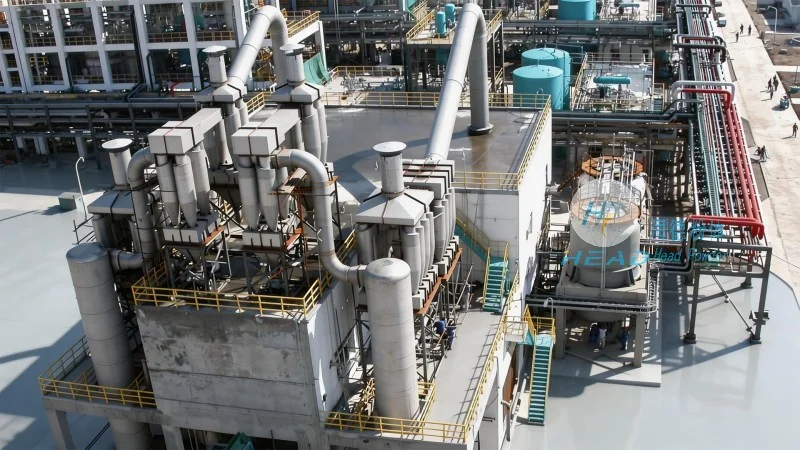
In some applications, yeast is transported using pumping systems, often combined with fluidization to maintain a suspended state. This method is particularly useful when dealing with yeast slurries or when the yeast needs to be mixed with other liquids. Centrifugal pumps or positive displacement pumps can be used to move the yeast through pipelines, ensuring a consistent flow rate. Fluidization involves injecting air or gas into the yeast slurry to keep the particles suspended, preventing settling and ensuring uniform distribution. This technique is beneficial for maintaining the yeast's active state and preventing clumping, which can affect downstream processes. The key advantage of this method is its ability to handle high volumes of yeast efficiently while maintaining a stable flow. However, it requires careful control of the fluidization parameters to avoid over-aeration, which can lead to cell damage or oxygen exposure.
4. Containerized Transport
For smaller-scale or specialized applications, containerized transport methods are employed. This involves using sealed containers, such as stainless steel tanks or plastic bags, to transport yeast. These containers are designed to maintain the yeast's viability by controlling temperature, oxygen levels, and moisture. The containers are often equipped with agitation systems to keep the yeast suspended and prevent sedimentation. This method is particularly useful for transporting yeast to remote locations or for short-term storage. Containerized transport offers flexibility and can be adapted to different volumes and operational needs. However, it may be less efficient for large-scale production compared to bulk systems and requires careful handling to avoid contamination or temperature fluctuations.

5. Considerations for Choosing a Transportation Method
The selection of a yeast transportation method depends on several factors, including the scale of operation, distance, yeast type, and required quality standards. For large-scale industrial applications, pneumatic conveying and pumping systems are often preferred due to their efficiency and ability to handle high volumes. For smaller-scale or specialized operations, containerized transport or mechanical conveyors may be more suitable. The choice also considers the impact on yeast viability, as some methods may cause more cell damage than others. Additionally, energy consumption, maintenance requirements, and cost are important considerations. Companies like Shandong HeadPowder Engineering Co., Ltd., based in China, offer expertise in designing and implementing these transportation systems, ensuring that the chosen method meets the specific needs of their clients while maintaining the quality of the yeast product.

 Shandong Headpowder Engineering Co., Ltd.
 156-6277-7102(Quản lý Trương)
  0531-83386006
  Thành phố Tế Nam, Tỉnh Sơn Đông, Trung Quốc
Điện thoại
WeChatTư vấn
Lên đầu