Chuyên sâu trong lĩnh vực vật liệu rời công nghiệp, cung cấp giải pháp môi trường thông minh tích hợp cho phối trộn tự động, cấp liệu tập trung, khử lưu huỳnh và khử nitơ khô!
Feed conveying is a critical process in the animal feed industry, ensuring that raw materials and finished products are efficiently transported from one stage to another. The choice of conveying method significantly impacts operational efficiency, cost-effectiveness, and the overall quality of the feed production line. Understanding the various methods available helps feed manufacturers select the most suitable option for their specific needs.
Overview of Feed Conveying Methods

Feed conveying systems are designed to move bulk materials such as grains, pellets, and other feed components through a facility. These systems can be categorized into several types based on the principle of operation, including mechanical, pneumatic, and gravity-based methods. Each method has its advantages and is best suited for different applications within the feed production process.
1. Mechanical Conveying Systems
Mechanical conveying systems utilize mechanical components like belts, screws, and buckets to transport feed. One of the most common types is the belt conveyor, which uses a continuous belt to move materials horizontally or at a slight incline. Belt conveyors are ideal for transporting large volumes of feed over long distances and are widely used in feed mills due to their durability and low maintenance requirements. Another popular mechanical option is the screw conveyor, also known as an auger conveyor. Screw conveyors are highly effective for moving granular or powdered feed materials and can operate in both horizontal and vertical orientations. They are particularly useful for handling feed that is prone to clogging or requires gentle handling to prevent breakage.
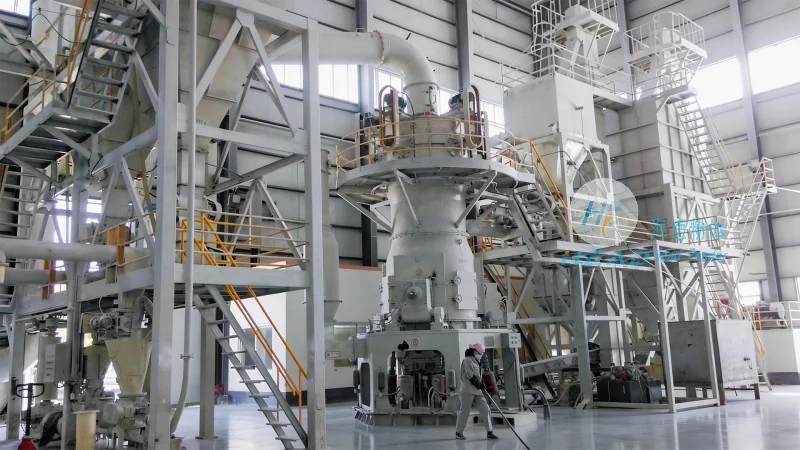
2. Pneumatic Conveying Systems
Pneumatic conveying systems use air or gas to transport feed particles through a pipeline. This method is often referred to as air slide or pneumatic transport. Pneumatic conveyors are particularly effective for moving fine powders and can operate in both positive and negative pressure modes. Positive pressure systems blow air through the pipeline, pushing the feed forward, while negative pressure systems create a vacuum to draw the feed into the system. Pneumatic conveying is advantageous for applications requiring enclosed, dust-free transport, as it prevents contamination and reduces the risk of material spillage. However, it may be less efficient for very large or heavy feed particles and can be more expensive to install and maintain compared to mechanical systems.
3. Gravity Conveying Systems
Gravity conveying systems rely on the natural force of gravity to move feed from one elevation to another. This method is commonly used in feed mills where feed is stored in elevated silos and needs to be discharged into lower-level processing equipment. Chutes and hoppers are typical components of gravity conveying systems, allowing feed to flow down through a sloped channel. Gravity conveyors are simple, low-cost, and require minimal energy input, making them an attractive option for short-distance or low-volume transport. However, they are limited by the need for a suitable slope and may not be suitable for transporting feed over long distances or for materials that are prone to bridging or clogging.

4. Combination Systems
In many feed production facilities, a combination of different conveying methods is used to achieve optimal efficiency. For example, a facility might use a screw conveyor to transport feed from a storage bin to a mixer, and then use a pneumatic system to deliver the mixed feed to the final packaging area. This integrated approach allows for seamless flow of materials throughout the production process, minimizing bottlenecks and maximizing throughput. The choice of combination system depends on the specific layout of the feed mill, the types of feed being processed, and the overall production capacity requirements.
Key Considerations for Selecting a Feed Conveying Method

When selecting a feed conveying method, several factors must be considered to ensure the system meets the operational needs of the feed mill. These factors include the type and properties of the feed material (e.g., particle size, moisture content, and flowability), the distance and elevation changes required for transport, the desired capacity and speed of the system, and the available budget for installation and maintenance. Additionally, the space constraints within the feed mill and the need for dust control or environmental compliance may influence the choice of conveying method.
Role of Shandong HeadPowder Engineering Co., Ltd.
Shandong HeadPowder Engineering Co., Ltd., a leading manufacturer of feed processing equipment, offers a range of feed conveying solutions tailored to the diverse needs of the animal feed industry. With years of experience in designing and manufacturing high-quality conveying systems, the company provides customized solutions that enhance operational efficiency and ensure the quality of feed products. HeadPowder's expertise in mechanical, pneumatic, and gravity-based conveying systems allows them to assist feed manufacturers in selecting the most appropriate method for their specific applications. The company's commitment to innovation and customer satisfaction has made it a trusted partner for feed producers worldwide.

 Shandong Headpowder Engineering Co., Ltd.
 156-6277-7102(Quản lý Trương)
  0531-83386006
  Thành phố Tế Nam, Tỉnh Sơn Đông, Trung Quốc
Điện thoại
WeChatTư vấn
Lên đầu