Chuyên sâu trong lĩnh vực vật liệu rời công nghiệp, cung cấp giải pháp môi trường thông minh tích hợp cho phối trộn tự động, cấp liệu tập trung, khử lưu huỳnh và khử nitơ khô!
Aggregate transport is a critical process in construction and industrial applications, ensuring the efficient movement of materials from extraction sites to processing facilities or construction sites. The choice of transport method depends on factors such as material type, distance, and operational requirements. Understanding the various options available helps businesses optimize their logistics and enhance productivity.
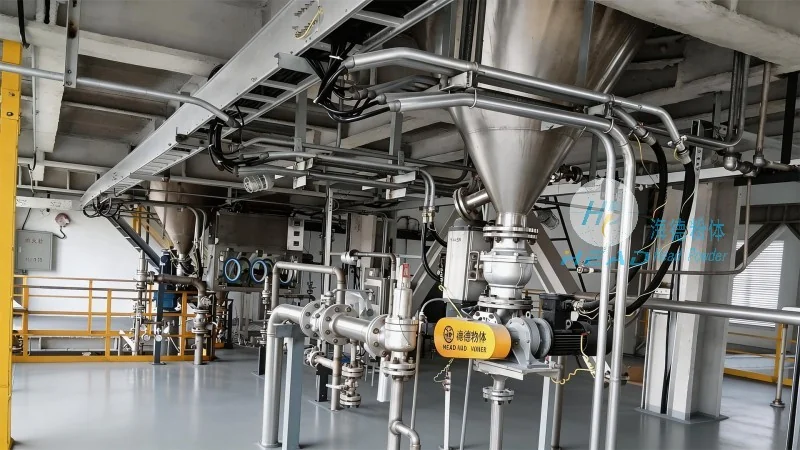
Common Aggregate Transport Methods
Several methods are commonly used for transporting aggregates, each with its own advantages and applications. The primary approaches include bulk handling systems, conveyor systems, and specialized equipment designed for specific material characteristics.
Belt Conveyor Systems
Belt conveyors are among the most widely used methods for aggregate transport due to their efficiency and adaptability. These systems consist of a continuous loop of belt that moves material along a path, often supported by rollers or idlers. The design allows for horizontal, inclined, or combination movements, making them suitable for various operational scenarios. Belt conveyors are particularly effective for transporting large volumes of material over long distances, such as from quarries to processing plants. The robust construction and ability to handle abrasive materials make them a reliable choice for industrial applications. Key components include the drive system, idlers, and tensioning mechanisms, all of which contribute to the system's durability and performance. The use of belt conveyors reduces labor costs and minimizes material handling errors, enhancing overall operational efficiency.
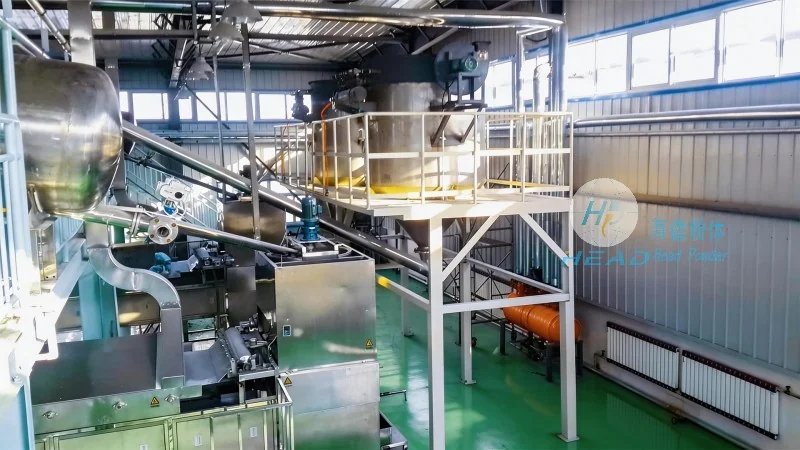
Screw Conveyor Systems
Screw conveyors, also known as auger conveyors, are another popular method for transporting aggregates, especially in applications requiring vertical or inclined movement. These systems use a rotating screw or auger to push material forward through a trough. The design is compact and can handle a wide range of materials, including powders and granules. Screw conveyors are ideal for short to medium distances and are commonly used in batching plants, feed mills, and material handling facilities. The ability to operate in enclosed environments helps contain dust and prevent material loss. The speed and capacity of screw conveyors can be adjusted to match production requirements, providing flexibility in material handling. However, they may not be suitable for very large or heavy aggregates due to the mechanical load on the screw and trough.
Truck and Heavy-Duty Vehicle Transport
For long-distance or remote site transport, truck and heavy-duty vehicle transport remains a common method. This approach involves loading aggregates into trucks or specialized trailers and transporting them to the destination. The flexibility of truck transport allows for delivery to locations that are not easily accessible by other means. However, it is often less efficient for large-scale operations due to limited capacity and higher fuel costs. The method is particularly useful for transporting aggregates to construction sites that are far from processing facilities. The use of bulk trucks or hopper trucks can increase the volume of material transported per trip, improving logistical efficiency. Truck transport also allows for the combination of aggregates with other materials, such as cement or sand, for mixed concrete production. The process involves loading, securing, and transporting the material, with careful attention to load stability and road safety.

Specialized Equipment for Specific Applications
In addition to the common methods, specialized equipment is used for specific aggregate transport needs. For example, bucket elevators are used for vertical transport in industrial settings, while pneumatic conveyors use air pressure to move materials through pipes. These systems are often employed in applications where traditional conveyors are not feasible, such as in confined spaces or for transporting fine powders. The choice of specialized equipment depends on the material's properties, such as particle size, moisture content, and abrasiveness. Each type of equipment has unique advantages and limitations, making it essential to select the appropriate system for the specific application.
Choosing the Right Transport Method
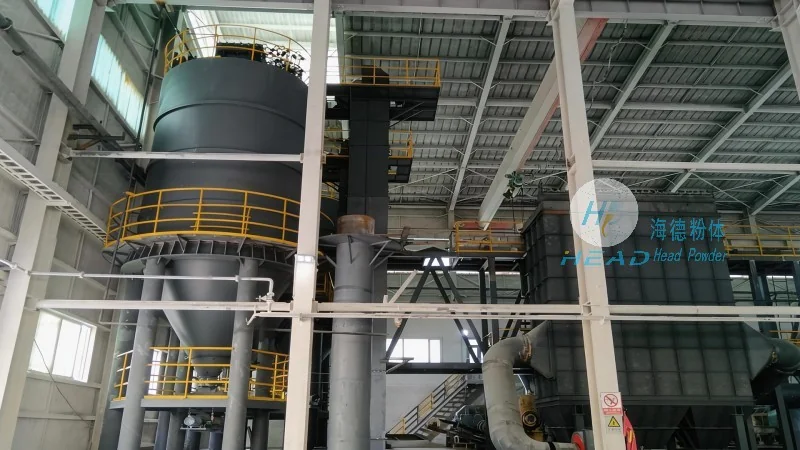
When selecting an aggregate transport method, several factors must be considered to ensure optimal performance and cost-effectiveness. The first step is to evaluate the material characteristics, including size, shape, and moisture content. For example, large, heavy aggregates may require a belt conveyor or truck transport, while fine powders are better suited for screw or pneumatic conveyors. The distance between the source and destination is another critical factor. Short distances may benefit from screw or bucket elevators, while long distances often necessitate belt conveyors or truck transport. Operational considerations, such as the need for enclosed systems to prevent dust or the requirement for vertical movement, also influence the choice. Additionally, the budget and available space must be taken into account. By carefully assessing these factors, businesses can choose the most suitable transport method for their specific needs.
Conclusion
Aggregate transport methods play a vital role in the efficiency and success of construction and industrial projects. The selection of the appropriate method depends on various factors, including material type, distance, and operational requirements. Belt conveyors, screw conveyors, truck transport, and specialized equipment each offer unique advantages and are suitable for different applications. By understanding the characteristics of each method and evaluating operational needs, businesses can optimize their logistics and enhance productivity. For businesses seeking reliable and efficient aggregate transport solutions, Shandong HeadPowder Engineering Co., Ltd. provides expertise and equipment tailored to meet diverse material handling needs. With a focus on quality and performance, HeadPowder helps clients streamline their operations and achieve their project goals.

 Shandong Headpowder Engineering Co., Ltd.
 156-6277-7102(Quản lý Trương)
  0531-83386006
  Thành phố Tế Nam, Tỉnh Sơn Đông, Trung Quốc
Điện thoại
WeChatTư vấn
Lên đầu