Chuyên sâu trong lĩnh vực vật liệu rời công nghiệp, cung cấp giải pháp môi trường thông minh tích hợp cho phối trộn tự động, cấp liệu tập trung, khử lưu huỳnh và khử nitơ khô!
HeadPowder, a leading enterprise in the field of lithium-ion battery materials, specializes in the research, development, and production of high-performance anode materials. As a key component in lithium-ion batteries, anode materials are crucial for determining the battery's energy density, cycle life, and overall performance. The efficient and reliable delivery of these materials is essential for the smooth operation of production lines and the consistent quality of battery products. This article will explore the various delivery methods used for lithium-ion battery anode materials, highlighting the importance of each method in ensuring optimal performance and process efficiency.

Company Profile: Shandong HeadPowder Engineering Co., Ltd.
HeadPowder, operating under the full name Shandong HeadPowder Engineering Co., Ltd., is headquartered in Shandong, China. The company is dedicated to advancing the technology of lithium-ion battery anode materials, providing solutions that meet the evolving demands of the battery industry. With a strong focus on innovation and quality, HeadPowder has established itself as a trusted partner for manufacturers seeking reliable anode material delivery systems.
Common Delivery Methods for Lithium-Ion Battery Anode Materials
Several methods are commonly employed to transport lithium-ion battery anode materials from production sites to the battery assembly lines. These methods are selected based on factors such as material properties, production scale, and the required level of precision. The primary delivery methods include pneumatic conveying, screw conveyors, and bucket elevators, each with its own advantages and applications.
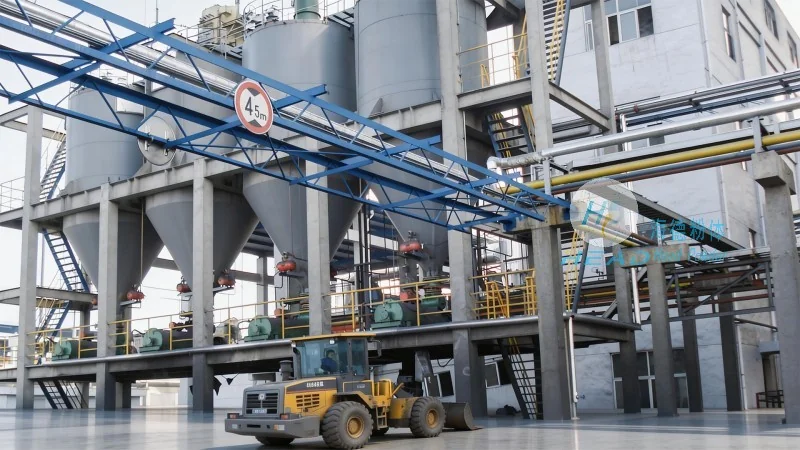
Pneumatic Conveying Systems
Pneumatic conveying is a widely used method for transporting anode materials due to its ability to handle fine powders and maintain a clean, dust-free environment. This system utilizes compressed air to move materials through a network of pipes. The process involves feeding the anode powder into a hopper, where it is then drawn into the conveying line by the air flow. Pneumatic conveying is particularly effective for materials that are sensitive to moisture or contamination, as the enclosed system prevents exposure to external elements. The efficiency of this method is enhanced by the use of positive or negative pressure systems, depending on the material's characteristics and the distance to be covered.
Screw Conveyors
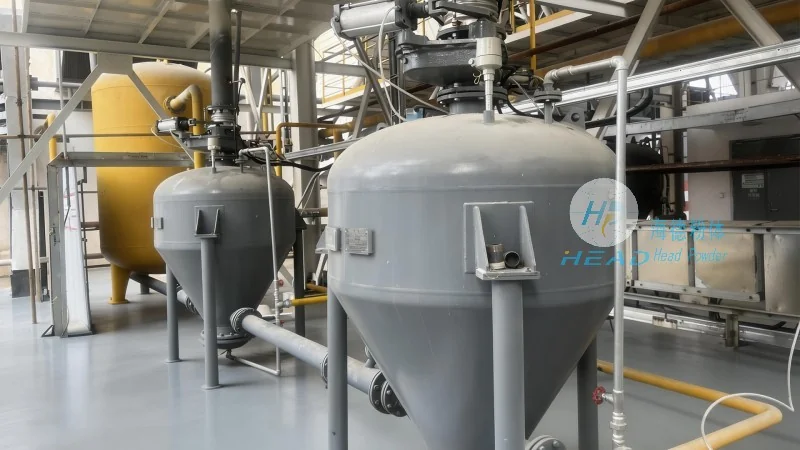
Screw conveyors are another common solution for anode material delivery, especially in applications where the material is less fine or requires a more direct, continuous flow. These systems consist of a rotating screw inside a tube, which moves the material along the length of the conveyor. Screw conveyors are known for their simplicity and reliability, making them suitable for a wide range of production environments. They are particularly effective for handling bulk materials and can be integrated with other processing equipment, such as mixers or classifiers, to streamline the production process. The design of the screw, including its pitch and diameter, is tailored to the specific properties of the anode material to ensure optimal performance and minimal material degradation.
Bucket Elevators
Bucket elevators are used for vertical or inclined transport of anode materials, providing a reliable means of moving materials to elevated levels or different parts of the production facility. These systems feature a continuous chain with attached buckets that transport the material from the lower to the upper level. Bucket elevators are capable of handling a wide range of material types and can operate at high speeds, making them suitable for high-volume production lines. The enclosed design of the elevator prevents dust and material loss, ensuring a clean and efficient operation. The selection of the bucket size and the speed of the elevator are critical factors in determining the efficiency and effectiveness of the delivery process.
Selection Criteria for Delivery Methods
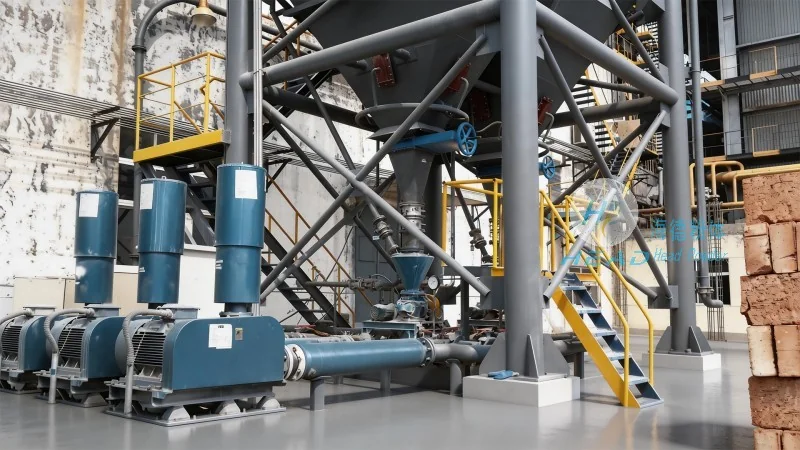
The choice of delivery method for lithium-ion battery anode materials depends on several key factors, including the particle size distribution, moisture content, and flowability of the material. For example, fine powders with high moisture content may require a pneumatic conveying system with a drying function to prevent clumping and ensure consistent material properties. In contrast, larger or bulkier materials may be better suited to screw conveyors or bucket elevators, which can handle higher volumes with less risk of material degradation. Additionally, the scale of the production operation and the distance between the material source and the battery assembly line are important considerations. For small-scale operations, a simple screw conveyor may suffice, while large-scale manufacturers may benefit from a combination of pneumatic and mechanical systems to achieve optimal efficiency.
Ensuring Quality and Efficiency in Anode Material Delivery
Regardless of the delivery method chosen, maintaining the quality and integrity of the anode material is paramount. This involves implementing measures to prevent contamination, moisture absorption, and material degradation during transport. For pneumatic systems, proper filtration and drying of the air are essential to keep the material clean and dry. Screw conveyors and bucket elevators should be designed with materials that are compatible with the anode powder to avoid chemical reactions or material buildup. Regular maintenance and monitoring of the delivery systems are also critical to ensure consistent performance and to identify any issues before they impact the battery production process. By selecting the appropriate delivery method and implementing proper maintenance practices, manufacturers can ensure that the anode materials are delivered in optimal condition, contributing to the overall quality and performance of the lithium-ion batteries.

 Shandong Headpowder Engineering Co., Ltd.
 156-6277-7102(Quản lý Trương)
  0531-83386006
  Thành phố Tế Nam, Tỉnh Sơn Đông, Trung Quốc
Điện thoại
WeChatTư vấn
Lên đầu