Chuyên sâu trong lĩnh vực vật liệu rời công nghiệp, cung cấp giải pháp môi trường thông minh tích hợp cho phối trộn tự động, cấp liệu tập trung, khử lưu huỳnh và khử nitơ khô!
When it comes to efficiently transporting sawdust and wood chips, selecting the right conveying method is crucial for optimizing workflow and maintaining material integrity. At Shandong HeadPowder Engineering Co., Ltd., we specialize in providing tailored solutions that meet the unique demands of various industrial applications. This article explores the primary types of sawdust and wood chip conveying methods, highlighting their advantages and typical applications.
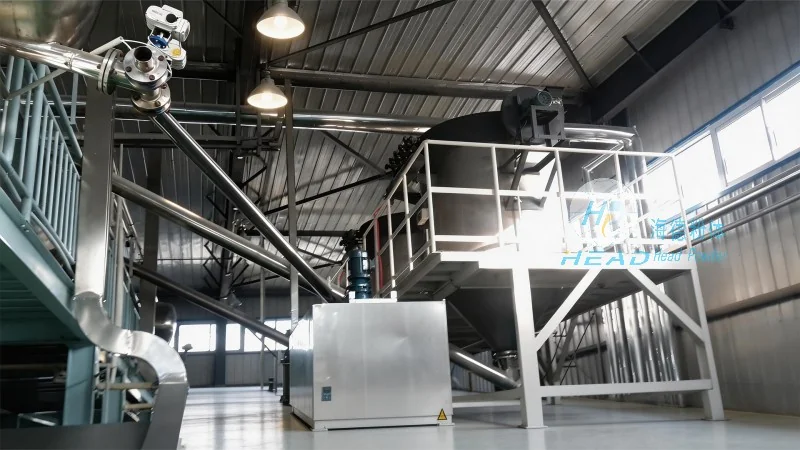
1. Spiral Conveyors (Screw Conveyors)
Spiral conveyors, also known as screw conveyors, are one of the most common and versatile methods for transporting sawdust and wood chips. These systems consist of a rotating helical screw inside a tube or trough, which moves material from the inlet to the outlet through a combination of friction and gravity. HeadPowder's spiral conveyor systems are designed with robust construction, ensuring durability in high-volume applications. They are particularly effective for horizontal or slightly inclined transport, making them ideal for feeding raw materials into processing equipment or moving finished products to storage areas. The smooth operation of these conveyors minimizes material degradation, preserving the quality of sawdust and wood chips for downstream processes.
2. Pneumatic Conveying Systems
Pneumatic conveying systems use air or gas to transport sawdust and wood chips through a pipeline network. These systems can be categorized into two main types: pressure and vacuum. Pressure systems force air and material through the pipeline, while vacuum systems draw material into the line using a fan or blower. HeadPowder's pneumatic conveying solutions are engineered to handle a wide range of particle sizes and moisture content, ensuring reliable transport over long distances. Pneumatic conveyors are especially suitable for applications requiring dust-free environments or when transporting materials through vertical lifts. They offer advantages such as low maintenance and the ability to integrate with existing dust collection systems, making them a popular choice in woodworking and biomass processing industries.
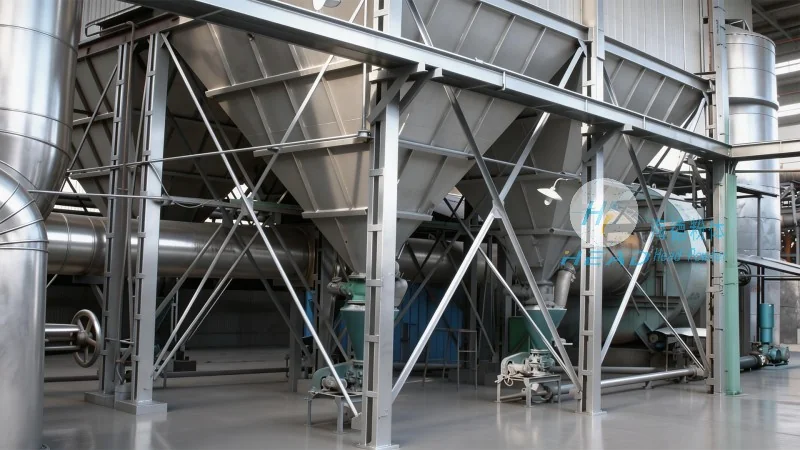
3. Belt Conveyors
Belt conveyors utilize a continuous belt to transport sawdust and wood chips horizontally or at a slight incline. The material is placed on the belt at the inlet and carried to the outlet by the belt's movement. HeadPowder's belt conveyor systems are equipped with high-quality belts and drive mechanisms, ensuring efficient and consistent material transport. These conveyors are ideal for handling larger volumes of material and can be configured with multiple inlets and outlets to support complex production lines. Belt conveyors are commonly used in sawmills and wood processing facilities to move raw wood chips from storage to processing equipment or to transport finished products to packaging areas. Their design allows for easy integration with other machinery, enhancing overall operational efficiency.
4. Bucket Elevators
Bucket elevators are vertical or inclined conveyors that use a series of buckets attached to a belt or chain to transport sawdust and wood chips. The buckets scoop material at the bottom and discharge it at the top, making them highly effective for vertical transport. HeadPowder's bucket elevator systems are built with heavy-duty components, capable of handling abrasive materials like sawdust and wood chips without premature wear. These conveyors are commonly employed in applications where vertical movement is required, such as transporting raw materials from a lower storage area to a processing plant on an upper floor. Bucket elevators offer high capacity and can be designed to operate continuously, minimizing downtime and maximizing productivity in industrial settings.

5. Hydraulic Conveyors
Hydraulic conveyors use fluid power to transport sawdust and wood chips through a system of pipes and valves. These systems are less common but are suitable for specialized applications where other methods are not feasible. HeadPowder's hydraulic conveying solutions are engineered for precision control, allowing for adjustable flow rates and pressure levels. While less frequently used for general sawdust and wood chip transport, hydraulic conveyors can be advantageous in environments where electrical systems are restricted or where specific material handling requirements demand fluid-based movement. They are typically employed in niche industries or for specialized processes that require unique material transport capabilities.
Factors to Consider When Choosing a Conveying Method
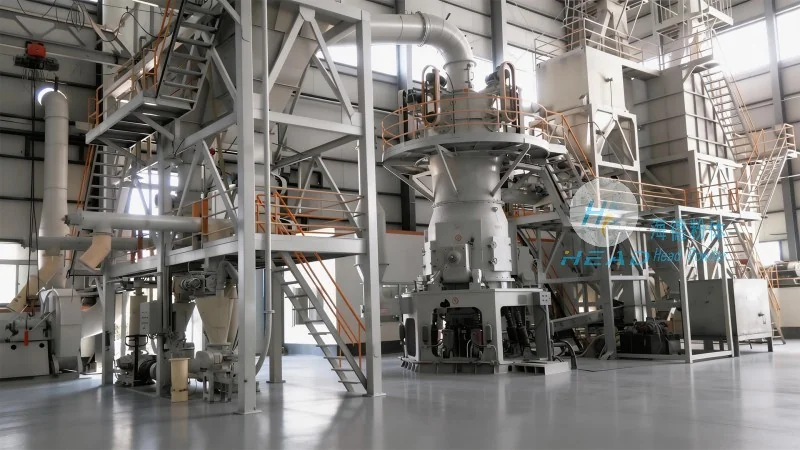
When selecting a sawdust and wood chip conveying method, several factors must be considered to ensure optimal performance and cost-effectiveness. These include the material's characteristics (such as particle size, moisture content, and abrasiveness), the required transport distance and elevation, the desired throughput capacity, and the available space for installation. HeadPowder's team of engineering experts works closely with clients to assess these factors and recommend the most suitable conveying solution. By considering these elements, businesses can select a system that minimizes operational costs, reduces material loss, and enhances overall productivity.
Conclusion
Choosing the right sawdust and wood chip conveying method is essential for maintaining efficiency and quality in industrial operations. At Shandong HeadPowder Engineering Co., Ltd., we offer a range of advanced conveying solutions tailored to meet the specific needs of our clients. Whether you require a spiral conveyor for horizontal transport, a pneumatic system for dust-free handling, or a bucket elevator for vertical movement, our products are designed to deliver reliable and efficient performance. With our commitment to quality and customer satisfaction, HeadPowder is your trusted partner for all sawdust and wood chip conveying needs. Contact us today to learn more about how our conveying systems can enhance your industrial processes.

 Shandong Headpowder Engineering Co., Ltd.
 156-6277-7102(Quản lý Trương)
  0531-83386006
  Thành phố Tế Nam, Tỉnh Sơn Đông, Trung Quốc
Điện thoại
WeChatTư vấn
Lên đầu