Chuyên sâu trong lĩnh vực vật liệu rời công nghiệp, cung cấp giải pháp môi trường thông minh tích hợp cho phối trộn tự động, cấp liệu tập trung, khử lưu huỳnh và khử nitơ khô!
Understanding the various methods for transporting mineral particles is crucial for industries that rely on bulk material handling. The choice of conveying system directly impacts efficiency, cost, and operational safety. This article explores the primary types of mineral particle conveying methods, highlighting their applications and key characteristics. As a leading provider of mineral processing solutions, Shandong HeadPowder Engineering Co., Ltd. specializes in designing and manufacturing efficient conveying systems tailored to the unique needs of mining and industrial operations.
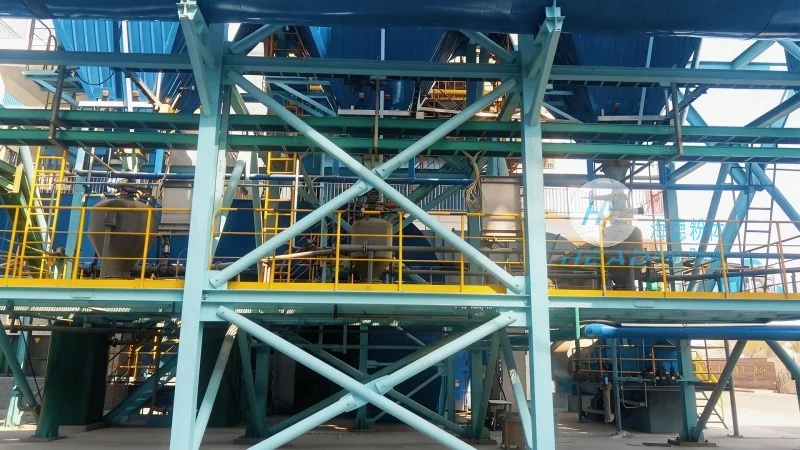
1. Screw Conveyors: A Versatile Option for Horizontal and Slight Inclined Transport
Screw conveyors, also known as auger conveyors, are widely used in mineral processing for transporting dry, free-flowing materials. These systems consist of a rotating helical screw within a U-shaped or cylindrical housing. The screw rotates to move material from the inlet to the discharge point. Screw conveyors are particularly effective for horizontal or slight inclined transport, making them suitable for applications such as feeding crushers, transporting raw materials in mining operations, and handling bulk powders in processing plants. The design allows for compact installation and can handle a wide range of particle sizes, from fine powders to coarse granules. Key advantages include low maintenance requirements, ability to operate in a closed system to prevent dust emission, and suitability for transporting materials with varying moisture content. However, they may not be ideal for high-capacity or long-distance transport due to potential material degradation or increased energy consumption over extended lengths.
2. Belt Conveyors: High-Capacity Solutions for Long-Distance and Bulk Transport

Belt conveyors are among the most common and efficient systems for transporting mineral particles over long distances. They consist of a continuous belt looped over pulleys, with the material placed on the belt at the loading point and transported to the discharge point. These systems are capable of handling large volumes of material, making them suitable for mining operations, quarrying, and bulk material handling in industrial settings. Belt conveyors can operate at high speeds and cover significant distances, often exceeding 100 meters. They are particularly effective for transporting materials that are abrasive or heavy, as the belt can be made from durable materials like rubber or steel. The design allows for easy integration with other equipment, such as feeders and crushers, and can be customized for various applications, including overland transport and loading/unloading of trucks or ships. Key advantages include high throughput, low power consumption per tonne of material, and minimal maintenance compared to other systems. However, they require regular inspection and maintenance of the belt and pulleys to ensure optimal performance and prevent breakdowns.
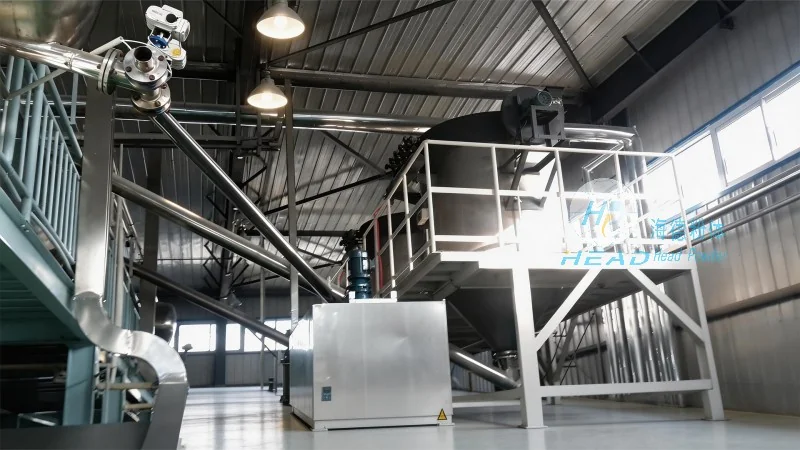
3. Pneumatic Conveying Systems: Air-Driven Transport for Fine and Dusty Materials
Pneumatic conveying systems use air or gas to transport mineral particles, making them ideal for handling fine, dusty, or abrasive materials that are difficult to handle with mechanical systems. These systems can be classified into two main types: dilute-phase and dense-phase. Dilute-phase systems use low-pressure air to move particles in a suspension, while dense-phase systems use higher pressure to push material in a plug flow. Pneumatic conveyors are commonly used in mining and mineral processing for transporting raw materials, such as coal, ore, and powders, from storage to processing equipment. They are particularly effective for applications requiring enclosed transport to prevent dust contamination or environmental pollution. The design allows for flexible routing, as the pipeline can be installed in various configurations, and can handle materials with high moisture content or sticky properties. Key advantages include the ability to transport materials over long distances without the need for multiple transfer points, and the option to integrate with dust collection systems for environmental compliance. However, they may have higher energy consumption compared to mechanical systems and require careful selection of air pressure and flow rates to ensure efficient transport and prevent material degradation.

 Shandong Headpowder Engineering Co., Ltd.
 156-6277-7102(Quản lý Trương)
  0531-83386006
  Thành phố Tế Nam, Tỉnh Sơn Đông, Trung Quốc
Điện thoại
WeChatTư vấn
Lên đầu