Chuyên sâu trong lĩnh vực vật liệu rời công nghiệp, cung cấp giải pháp môi trường thông minh tích hợp cho phối trộn tự động, cấp liệu tập trung, khử lưu huỳnh và khử nitơ khô!
When it comes to transporting bentonite, a variety of methods are employed depending on the specific application, material characteristics, and operational requirements. As a key component in many industrial processes, bentonite's unique properties, such as its high swelling capacity and thixotropic behavior, necessitate careful consideration of the most effective and efficient transportation solutions. This article explores the primary methods used for bentonite transportation, highlighting the advantages and considerations for each approach.
1. Pipeline Transportation
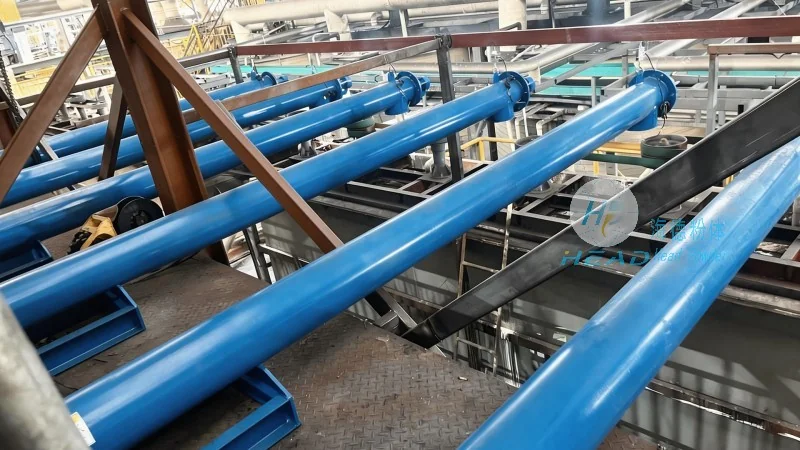
Pipeline transportation is a common and efficient method for moving bentonite, especially in large-scale industrial applications. This approach involves pumping bentonite slurry through a network of pipes, which can be made from materials like steel, PVC, or HDPE to withstand the corrosive and abrasive nature of the material. The slurry, typically consisting of bentonite mixed with water to achieve the desired consistency, is pumped using centrifugal pumps or positive displacement pumps. This method offers several benefits, including continuous operation, minimal labor requirements, and reduced exposure to dust and airborne particles. However, it requires significant infrastructure investment, including pipelines, pumping stations, and control systems. The effectiveness of pipeline transportation also depends on maintaining the correct slurry density and viscosity to prevent clogging or settling in the pipes.
2. Belt Conveyor Systems
Belt conveyor systems are widely used for transporting bulk materials, including bentonite, over short to medium distances. These systems consist of a continuous belt that moves over rollers or pulleys, carrying the material from one location to another. For bentonite, the belt material is often chosen to be resistant to abrasion and moisture, such as rubber or special composite materials. The belt is typically loaded at one end and discharged at the other, with the speed and angle of the conveyor adjusted to match the material's flow characteristics. Belt conveyors are advantageous for their ability to handle large volumes of material with minimal maintenance and low energy consumption. They are particularly suitable for transporting bentonite from storage silos or processing plants to mixing or application areas. However, they may not be as effective for very fine or highly cohesive bentonite powders, as the material can stick to the belt or cause uneven loading.
3. Pneumatic Conveying
Pneumatic conveying, or air-pipe transport, is another method used for bentonite transportation, especially for powders or fine granules. This technique involves transporting the material using a stream of air or gas within a pipeline. The bentonite is either carried in the air stream as a dilute phase (where particles are suspended in the air) or as a dense phase (where particles are in close contact with each other and the pipe walls). Positive displacement blowers or rotary lobe pumps generate the necessary air pressure to move the material. Pneumatic conveying offers advantages such as the ability to transport materials over long distances, the flexibility to route the pipeline around obstacles, and the elimination of the need for heavy machinery. However, it requires careful control of air pressure and flow rates to prevent material degradation or blockages. The system also needs to be designed to handle the dust and potential moisture content of the bentonite, as these can affect the air quality and equipment performance.

4. Pumping with Centrifugal or Positive Displacement Pumps
For applications where bentonite needs to be moved through pipelines or over longer distances, pumping is often employed. Centrifugal pumps are commonly used for transporting bentonite slurries due to their ability to handle high volumes at relatively low pressures. These pumps work by converting rotational energy into kinetic energy, which propels the slurry through the system. Positive displacement pumps, such as gear pumps or piston pumps, are more suitable for handling viscous or high-density bentonite slurries, as they provide consistent flow rates and higher pressures. The choice of pump depends on the slurry's viscosity, solids content, and the required flow rate. Proper pump selection and maintenance are crucial to ensure efficient operation and prevent equipment wear or failure. Regular cleaning and lubrication of the pump components are necessary to handle the abrasive nature of bentonite particles.
5. Manual or Mechanical Handling

In smaller-scale operations or for localized transportation, manual or mechanical handling methods may be used. This includes using shovels, buckets, or wheelbarrows to move bentonite from storage containers to processing equipment. Mechanical aids, such as forklifts or loaders, can also be employed to lift and transport bulk bentonite. These methods are suitable for short distances and low volumes but are less efficient and more labor-intensive compared to automated systems. They are often used in laboratory settings or for small-scale construction projects where the volume of bentonite is minimal. Manual handling also allows for better control over the material's quality and consistency, as operators can visually inspect the bentonite before loading it into equipment.
6. Considerations for Choosing the Right Transportation Method
When selecting a bentonite transportation method, several factors must be considered to ensure optimal performance and cost-effectiveness. These include the volume and consistency of the bentonite (e.g., powder, slurry, or dry bulk), the distance to be covered, the available infrastructure, and the specific application requirements. For example, pipeline transportation is ideal for large-scale industrial plants, while belt conveyors may be more suitable for medium-sized operations. Pneumatic conveying is preferred for transporting fine powders over long distances, whereas pumping is necessary for moving viscous slurries through pipelines. The cost of equipment, installation, and maintenance should also be evaluated, as different methods have varying capital and operational expenses. Additionally, environmental and safety considerations, such as dust control and material handling regulations, play a crucial role in the selection process. By carefully assessing these factors, companies can choose the most appropriate bentonite transportation method to meet their operational needs.
Company Information
Shandong HeadPowder Engineering Co., Ltd., commonly known as headpowder, is a leading manufacturer and supplier of bentonite products and related engineering solutions. With a focus on quality and innovation, the company specializes in providing high-performance bentonite for various industrial applications, including drilling, foundry, and construction. Headpowder's commitment to excellence is reflected in its state-of-the-art production facilities and rigorous quality control processes. The company's headquarters is located in Shandong, China, where it serves clients both domestically and internationally. By leveraging advanced technology and expertise, headpowder ensures that its bentonite products meet the highest standards of performance and reliability, supporting the efficiency and success of its customers' operations.

 Shandong Headpowder Engineering Co., Ltd.
 156-6277-7102(Quản lý Trương)
  0531-83386006
  Thành phố Tế Nam, Tỉnh Sơn Đông, Trung Quốc
Điện thoại
WeChatTư vấn
Lên đầu