

How to Choose the Right Pneumatic Conveying System for Your Calcium Chloride Delivery Process?
When it comes to delivering calcium chloride efficiently and safely, selecting the appropriate pneumatic conveying system is crucial. Calcium chloride is widely used in various industries, including construction, de-icing, and water treatment, making reliable material handling essential for operational success. The right system not only enhances productivity but also ensures compliance with safety standards and environmental regulations.
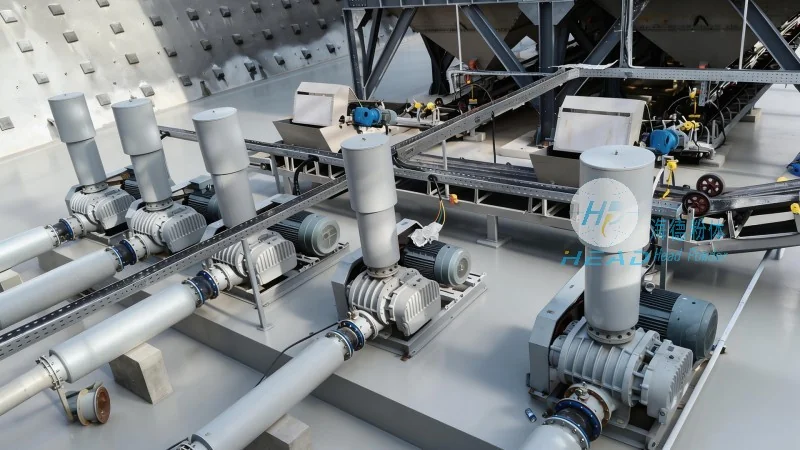
Understanding the Importance of Pneumatic Conveying for Calcium Chloride
Calcium chloride is a hygroscopic and potentially hazardous material, requiring specialized handling solutions to prevent dust generation, moisture absorption, and exposure risks. Traditional methods like belt conveyors or bucket elevators may not be suitable due to the material's properties. Pneumatic conveying systems offer a closed-loop operation that minimizes dust exposure, controls moisture content, and maintains material integrity throughout the delivery process. This makes them ideal for applications where precision and safety are paramount.
Key Factors to Consider When Choosing a Pneumatic Conveying System
Several critical factors must be evaluated when selecting a pneumatic conveying system for calcium chloride. First, the system must be capable of handling the material's bulk density and flow characteristics. Calcium chloride can vary in particle size and moisture content, which affects its conveying behavior. The system should also accommodate the required throughput and distance between the source and destination points. Additionally, the system's design must ensure minimal product degradation and prevent contamination from external sources. Finally, operational costs, including energy consumption and maintenance requirements, should be considered to ensure long-term economic viability.

Types of Pneumatic Conveying Systems for Calcium Chloride
There are primarily two types of pneumatic conveying systems suitable for calcium chloride: pressure and vacuum systems. Pressure systems use compressed air to push the material through a pipeline, while vacuum systems use suction to draw the material. For calcium chloride, pressure systems are often preferred due to their ability to handle higher material loads and longer distances. However, vacuum systems are suitable for shorter distances or when the material needs to be conveyed from a lower to a higher elevation. The choice between these systems depends on the specific application requirements, such as the distance between the storage and processing areas, the required flow rate, and the available space for system installation.
HeadPowder's Expertise in Calcium Chloride Pneumatic Conveying Solutions
Shandong HeadPowder Engineering Co., Ltd., commonly known as HeadPowder, is a leading provider of customized pneumatic conveying solutions tailored to the unique needs of calcium chloride handling. With years of experience in the industry, HeadPowder understands the challenges associated with calcium chloride delivery and offers innovative solutions that address these challenges effectively. The company's team of engineers and technicians works closely with clients to assess their specific requirements, including material properties, operational parameters, and safety standards. This collaborative approach ensures that the final system design meets all regulatory requirements and delivers optimal performance.
Customization and Integration Services from HeadPowder
HeadPowder provides comprehensive customization and integration services to ensure that the pneumatic conveying system is perfectly tailored to the client's calcium chloride delivery process. The company offers a range of options, including different pipeline materials (such as stainless steel or polyethylene) to prevent corrosion and material contamination. Additionally, HeadPowder can integrate the system with existing equipment, such as storage silos, mixers, or processing units, to create a seamless material flow. The company also provides installation and commissioning services to ensure that the system is set up correctly and operates efficiently from day one. This end-to-end service approach helps clients achieve maximum return on investment and minimize downtime.

Ensuring Safety and Compliance in Calcium Chloride Handling
Handling calcium chloride requires strict adherence to safety and regulatory standards. HeadPowder's pneumatic conveying systems are designed with safety features such as dust collection systems, explosion-proof components, and emergency shut-off valves. These features help minimize the risk of accidents and ensure compliance with local and international regulations. The company also provides training and support to clients to ensure that their staff is properly trained to operate and maintain the system safely. This commitment to safety and compliance helps clients avoid costly penalties and maintain a positive reputation in their respective industries.
Conclusion: Choosing the Right Pneumatic Conveying System for Calcium Chloride
Selecting the right pneumatic conveying system for calcium chloride is a critical decision that can significantly impact operational efficiency, safety, and cost. By considering factors such as material properties, system type, and operational requirements, and working with a trusted provider like HeadPowder, clients can ensure that their calcium chloride delivery process is optimized for performance and reliability. HeadPowder's expertise and customized solutions help clients achieve their goals while maintaining the highest standards of safety and compliance.