

[CUSTOMER]Common Coal Coke Particle Conveying Methods: An Overview of Pneumatic Conveying for Coal C
When it comes to transporting coal coke particles, selecting the right conveying method is crucial for efficiency, cost-effectiveness, and operational reliability. Various methods are available, each with its own advantages and applications. This article provides an overview of common coal coke particle conveying methods, with a specific focus on pneumatic conveying, which has become increasingly popular in industrial settings.
Understanding Coal Coke Particle Characteristics
Before delving into conveying methods, it's essential to understand the properties of coal coke particles. Coal coke is a solid fuel produced by the coking of coal, typically used in steelmaking and other industrial processes. The particles are generally irregular in shape, with varying sizes ranging from fine powders to larger lumps. Their density, moisture content, and abrasiveness are key factors that influence the choice of conveying system. For instance, abrasive particles may require more robust equipment to prevent wear and tear, while high moisture content can affect the flow characteristics and increase the risk of clogging.
Common Coal Coke Particle Conveying Methods
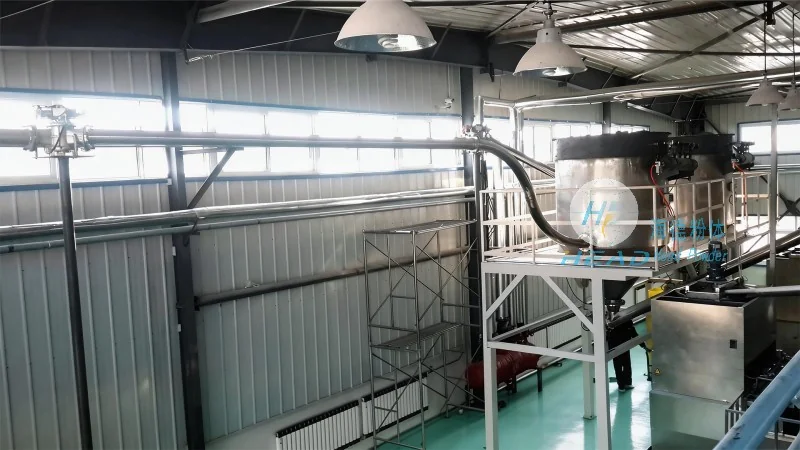
Several methods are commonly used for transporting coal coke particles, including mechanical and pneumatic systems. Mechanical conveyors such as belt conveyors, screw conveyors, and bucket elevators are widely used for bulk material handling. However, these systems may face challenges when dealing with fine or abrasive particles, as they can lead to increased maintenance costs and reduced efficiency. In contrast, pneumatic conveying offers a more flexible and efficient solution for coal coke particle transport.
Pneumatic Conveying for Coal Coke Particles
Pneumatic conveying is a method that uses air or other gases to transport solid particles through a pipeline. It is particularly suitable for coal coke particles due to its ability to handle fine powders and abrasive materials. There are two main types of pneumatic conveying systems: pressure and vacuum. Pressure systems use compressed air to push the particles through the pipeline, while vacuum systems use a vacuum to draw the particles into the system. The choice between these systems depends on factors such as the distance to be covered, the particle size, and the required flow rate.

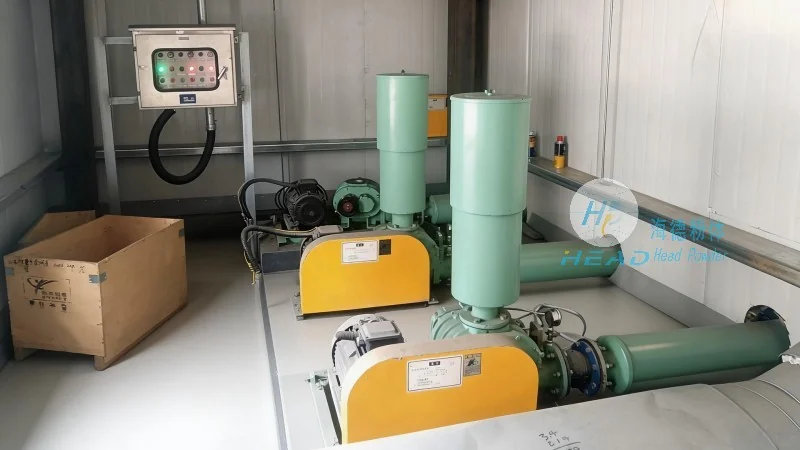
For coal coke particles, pressure pneumatic conveying is often preferred for longer distances and higher flow rates. This system typically consists of a blower, a hopper, and a pipeline. The coal coke is fed into the hopper, and then the compressed air is introduced, creating a flow that transports the particles through the pipeline to the destination. The system can be designed as a closed loop or a single-line system, depending on the application. One of the key advantages of pressure pneumatic conveying is its ability to handle abrasive particles without significant wear, as the particles are enclosed within the pipeline.
Advantages of Pneumatic Conveying for Coal Coke
Pneumatic conveying offers several advantages over traditional mechanical systems. First, it provides a more hygienic and dust-free environment, which is important for applications where contamination must be minimized. Second, it allows for the transportation of particles over long distances without the need for multiple transfer points, reducing the risk of material loss and contamination. Third, the system can be easily integrated with other processes, such as storage and processing, making it a versatile solution for industrial applications.
Considerations for Implementing Pneumatic Conveying Systems

While pneumatic conveying is an effective method for coal coke particle transport, there are several considerations to keep in mind when implementing such a system. First, the design of the system must be tailored to the specific characteristics of the coal coke particles, including size, density, and abrasiveness. Second, the system must be properly maintained to ensure optimal performance and prevent issues such as clogging or wear. Third, the cost of the system, including the initial investment and ongoing maintenance, must be considered in relation to the benefits it provides.
Conclusion
Coal coke particle conveying is a critical aspect of industrial operations, and selecting the right method is essential for efficiency and cost-effectiveness. Pneumatic conveying, particularly pressure systems, offers a versatile and efficient solution for transporting coal coke particles, especially for longer distances and higher flow rates. By understanding the characteristics of the particles and the requirements of the application, industrial facilities can choose the most suitable conveying system to meet their needs. As a leading provider of engineering solutions, Shandong HeadPowder Engineering Co., Ltd. specializes in designing and manufacturing customized conveying systems that meet the specific requirements of clients, ensuring optimal performance and reliability.