

Common ABS Pellet Conveying Methods: A Comparison of Advantages and Disadvantages
For manufacturers dealing with ABS (Acrylonitrile Butadiene Styrene) pellets, selecting the right conveying method is crucial for efficiency, cost-effectiveness, and product integrity. This article provides a detailed comparison of common ABS pellet conveying methods, highlighting their advantages and disadvantages to help businesses make informed decisions. The insights below are based on the expertise of Shandong HeadPowder Engineering Co., Ltd., a leading provider of material handling solutions in China.
Overview of Conveying Systems for ABS Pellets

Conveying systems are essential in material handling, especially for plastic pellets like ABS. The choice of method depends on factors such as pellet characteristics, distance to be covered, required flow rate, and environmental considerations. Below are the most prevalent methods used in the industry, each with its unique benefits and limitations.
Method 1: Vacuum Conveying (Suction Conveying)
Vacuum conveying uses a vacuum pump to draw materials into a system, making it ideal for transferring dry, free-flowing pellets like ABS. This method is particularly effective for short to medium distances and can handle relatively fine particles without causing excessive wear. One of the key advantages is its low energy consumption compared to pneumatic systems, as it operates at lower air velocities. Additionally, vacuum conveyors are generally compact and can be integrated into existing production lines with minimal modifications.
However, vacuum conveying has its drawbacks. It may not be suitable for large or irregularly shaped pellets, as the suction force can be insufficient to move them efficiently. Moreover, the system requires a sealed container at the discharge end to maintain vacuum, which can add complexity and maintenance needs. The performance of vacuum conveying is also sensitive to changes in pellet moisture content or the presence of dust, which can affect the vacuum level and material flow.
Method 2: Pneumatic Conveying (Air-Driven Conveying)
Pneumatic conveying utilizes compressed air to transport materials through a pipeline. This method is widely used for ABS pellets due to its ability to handle high flow rates and long distances. There are two main types: pressure (or pressurized) and vacuum (or suction) pneumatic systems. Pressure systems are often preferred for long-distance transport, as they can maintain consistent flow without the need for vacuum pumps at the receiving end.
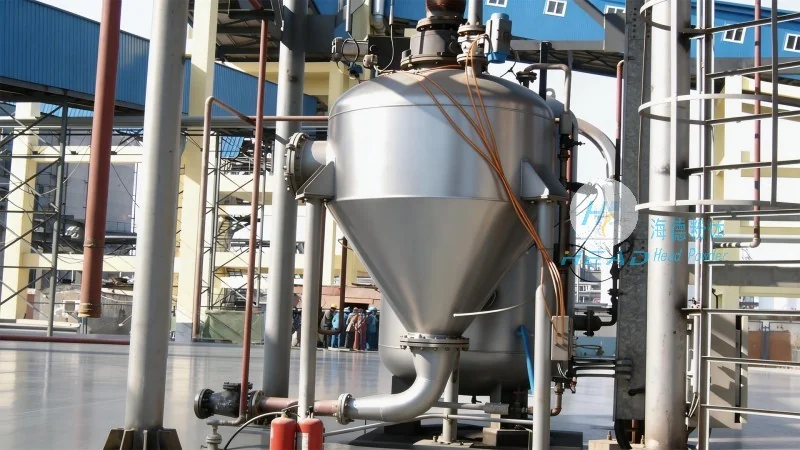
The primary advantage of pneumatic conveying is its high efficiency in moving large volumes of pellets quickly. It is also flexible, allowing for multiple discharge points and integration with other processing equipment. However, this efficiency comes at a higher energy cost, as compressed air generation and distribution require significant power. Additionally, pneumatic systems can generate dust, which may require additional filtration and environmental controls. Regular maintenance of the air compressor and pipeline is also necessary to ensure optimal performance and prevent wear.
Method 3: Screw Conveying (Auger Conveying)
Screw conveyors, also known as auger conveyors, use a rotating helical screw to move materials along a trough. This method is simple, reliable, and well-suited for horizontal or slight incline transport of ABS pellets. The design is straightforward, with minimal moving parts, which reduces maintenance requirements and operational costs. Screw conveyors are particularly effective for handling bulk materials over short to medium distances, such as from a hopper to a processing machine.
However, screw conveyors have limitations when dealing with ABS pellets. They are not ideal for large or abrasive pellets, as the screw and trough can experience wear from friction. The system may also compact the pellets, affecting their flow characteristics and potentially leading to blockages. Moreover, screw conveyors are less effective for vertical lifting, as the torque required increases significantly with height, making them less suitable for tall structures.
Method 4: Belt Conveying (Belt Conveyor System)
Belt conveyors use a continuous belt to transport materials horizontally or at a slight incline. This method is commonly used in bulk material handling and is suitable for ABS pellets due to its high capacity and ability to handle large quantities over long distances. Belt conveyors are robust and can be customized to fit specific production layouts, making them a versatile option for many industrial applications.
The main advantages of belt conveyors include their high throughput and durability. They can handle a wide range of pellet sizes and are relatively easy to install and maintain. However, belt conveyors require significant floor space and may not be suitable for confined areas. The system also generates friction between the belt and the trough, which can cause heat buildup and affect the quality of the pellets, especially if the material is heat-sensitive. Regular cleaning and tension adjustments are necessary to prevent belt slippage or wear.

Factors to Consider When Choosing a Conveying Method for ABS Pellets
When selecting a conveying method for ABS pellets, several factors must be evaluated to ensure the best fit for the application. The first is the physical properties of the pellets, including size, shape, density, and moisture content. For example, fine or irregularly shaped pellets may require a vacuum or pneumatic system to avoid blockages, while larger, uniform pellets might be better suited for screw or belt conveyors.
The distance between the source and destination is another critical factor. Short distances may allow for simpler systems like screw conveyors, while long distances often necessitate pneumatic or vacuum systems with higher air velocities. The required flow rate also plays a role; high-volume applications may benefit from pneumatic or belt conveyors, whereas low-volume, precise control might be better handled by vacuum systems.
Environmental considerations, such as dust control and noise levels, are important for maintaining a safe and compliant workplace. Pneumatic systems, for instance, may require dust collection systems to meet regulatory standards, while vacuum systems can be more compact and quieter. The overall cost, including initial investment, energy consumption, and maintenance, should also be weighed against the benefits of each method.
Conclusion
Each conveying method for ABS pellets has its own set of advantages and disadvantages, and the optimal choice depends on the specific requirements of the application. Vacuum conveying offers efficiency and simplicity for short distances, while pneumatic systems excel in high-volume, long-distance transport. Screw and belt conveyors provide reliable, low-maintenance options for horizontal transport but have limitations with certain pellet characteristics. By carefully evaluating factors such as pellet properties, distance, flow rate, and environmental needs, manufacturers can select the most suitable conveying method to enhance productivity, reduce costs, and ensure the quality of their ABS pellets.