

What Methods Are Available for Shredded Paper Transport?
When managing waste from document destruction, the efficient transport of shredded paper is a critical aspect of overall waste management systems. Shredded paper, often generated from office environments, requires specialized methods to ensure safe and effective handling. The choice of transport method depends on several factors, including the volume of shredded material, the distance it needs to be moved, and the specific requirements of the facility. By exploring various transport options, organizations can optimize their waste handling processes and enhance operational efficiency.
Common Shredded Paper Transport Methods
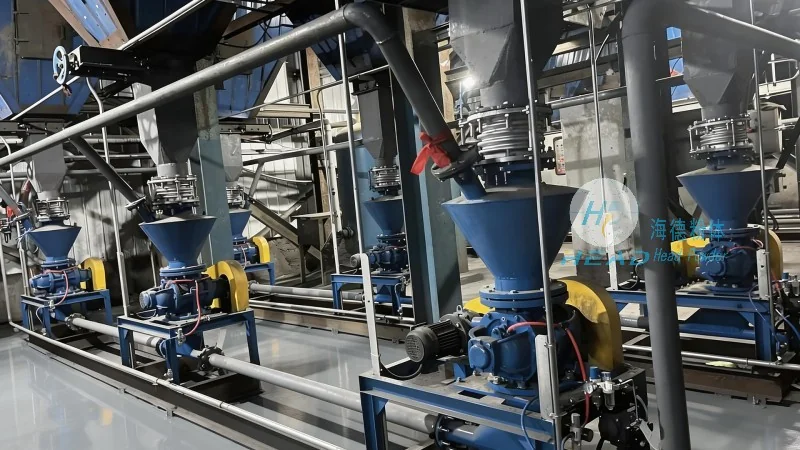
Several methods are commonly employed for transporting shredded paper, each with its own advantages and applications. The primary methods include manual handling, mechanical conveyors, and pneumatic systems. Manual transport involves the use of containers or carts to move shredded paper, which is suitable for small volumes or short distances. Mechanical conveyors, such as belt or chain conveyors, are ideal for medium to large volumes and can handle continuous flow of material. Pneumatic systems, or air-powered conveyors, use compressed air to move shredded paper through a network of pipes, offering high-speed and flexible transport solutions.
Manual Transport Solutions
For facilities with low to moderate volumes of shredded paper, manual transport remains a practical and cost-effective option. This method typically involves the use of wheeled bins or containers that are emptied into larger collection vehicles. The process is straightforward: shredded paper is placed into the containers, which are then transported to a designated disposal or recycling location. Manual transport is particularly suitable for small offices or departments where the volume of shredded material is limited. However, it may not be efficient for high-volume operations, as it can be time-consuming and labor-intensive. The key advantage of manual transport is its simplicity and low initial investment, making it accessible to a wide range of organizations.
Mechanical Conveyors for Shredded Paper
For medium to high-volume applications, mechanical conveyors provide a more automated and reliable solution. These systems use moving parts, such as belts or chains, to transport shredded paper from one point to another. Belt conveyors are commonly used in waste management due to their durability and ability to handle a wide range of materials. They can be customized with different widths and lengths to suit the specific needs of a facility. Chain conveyors, on the other hand, are more robust and can handle heavier loads, making them suitable for industrial settings. Mechanical conveyors offer continuous operation, reducing the need for manual intervention and improving overall throughput. Additionally, they can be integrated with other waste management equipment, such as shredders and balers, to create a seamless workflow. The main drawback of mechanical conveyors is their higher initial cost and the need for regular maintenance to ensure optimal performance.
Pneumatic Systems for Shredded Paper Transport
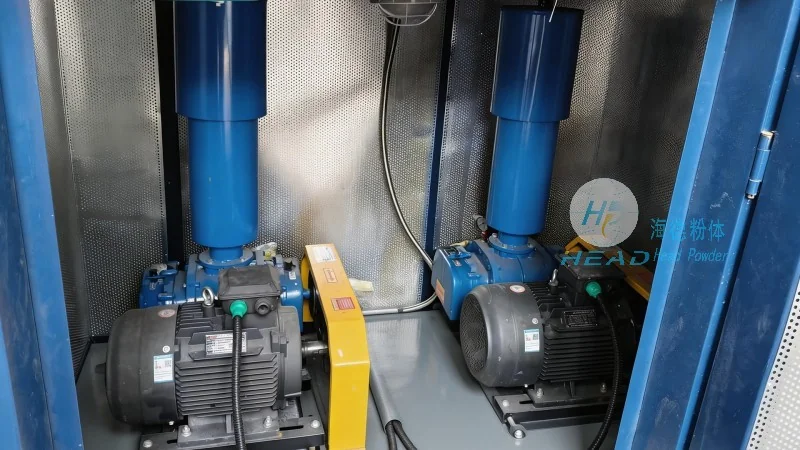
Pneumatic systems represent a more advanced and flexible approach to shredded paper transport. These systems use compressed air to move shredded paper through a network of pipes, similar to how air is used to transport other materials in industrial settings. The shredded paper is placed into a hopper or container, and the compressed air pushes it through the pipes to the destination. Pneumatic systems offer several advantages, including high speed, low noise levels, and the ability to transport material over long distances without the need for complex machinery. They are particularly effective in environments where manual handling is impractical or unsafe, such as in large data centers or industrial facilities. However, pneumatic systems require a reliable compressed air supply and may have higher operational costs due to energy consumption. The system's design, including the size of the pipes and the pressure of the air, must be carefully considered to ensure efficient transport.
Factors to Consider When Choosing a Transport Method

When selecting a shredded paper transport method, several factors must be taken into account to ensure the best fit for a specific application. The first consideration is the volume of shredded paper generated. For low volumes, manual transport may be sufficient, while high volumes may require mechanical or pneumatic systems. The distance the material needs to be transported is another critical factor. Short distances may be handled by manual or mechanical conveyors, while long distances may benefit from pneumatic systems. The facility layout and available space also play a role, as some systems require more room than others. Additionally, the budget and maintenance capabilities of the organization are important. Manual systems are generally low-cost and easy to maintain, while mechanical and pneumatic systems may have higher upfront and operational costs. The type of shredded paper, such as the size of the particles and the moisture content, can also affect the choice of transport method. Finally, safety considerations, including the need to prevent dust or debris from spreading, should be evaluated when selecting a transport system.
Integration with Waste Management Systems
Effective shredded paper transport is often part of a larger waste management system. Many facilities use shredders to reduce the size of documents before transport, and then conveyors or other systems to move the material to recycling or disposal. The integration of transport methods with other equipment, such as balers or compactors, can enhance overall efficiency. For example, a mechanical conveyor can be connected directly to a baler, allowing shredded paper to be compacted and baled for recycling. This integration reduces the need for manual handling and improves the quality of the final product. Additionally, some systems use sensors and automation to monitor the transport process, ensuring that material is moved at optimal rates and that any issues are detected promptly. The use of technology in waste management systems can significantly improve performance and reduce costs over time.
Conclusion
Choosing the right shredded paper transport method is essential for efficient waste management in organizations. Manual transport is suitable for low volumes, while mechanical and pneumatic systems are better for higher volumes and longer distances. The choice depends on various factors, including volume, distance, facility layout, and budget. By carefully evaluating these factors and considering the integration with other waste management equipment, organizations can select a transport method that meets their specific needs. Shandong HeadPowder Engineering Co., Ltd., a leading provider of waste management solutions, offers a range of transport systems tailored to different applications. With their expertise and commitment to quality, they can help organizations optimize their shredded paper transport processes and enhance overall operational efficiency.