

How to Transport Buckwheat Hulls
Efficient transportation of buckwheat hulls is critical for maintaining product integrity and operational efficiency across various industries. Buckwheat hulls, widely utilized in applications like animal bedding, filtration media, and specialty products, present unique handling challenges due to their lightweight, abrasive, and dusty nature. Selecting the right transportation method is essential to prevent material loss, contamination, and degradation, ensuring consistent performance in downstream processes. This article explores the primary methods for transporting buckwheat hulls, highlighting their advantages and suitability for different operational scales.
Understanding the Key Considerations for Buckwheat Hull Transportation
Before delving into specific methods, it is vital to consider the inherent properties of buckwheat hulls and the operational context. These hulls are typically dry, lightweight, and can generate significant dust, which may affect equipment performance and worker safety. The volume of hulls to be handled, the distance between storage and processing areas, and the end-use requirements all influence the choice of transportation system. For instance, small-scale operations may opt for manual or semi-automated methods, while large industrial facilities require more robust, continuous systems. The goal is to balance cost-effectiveness with the need for minimal product damage and maximum efficiency.
Bulk Handling Systems: Large-Scale, Continuous Transport Solutions
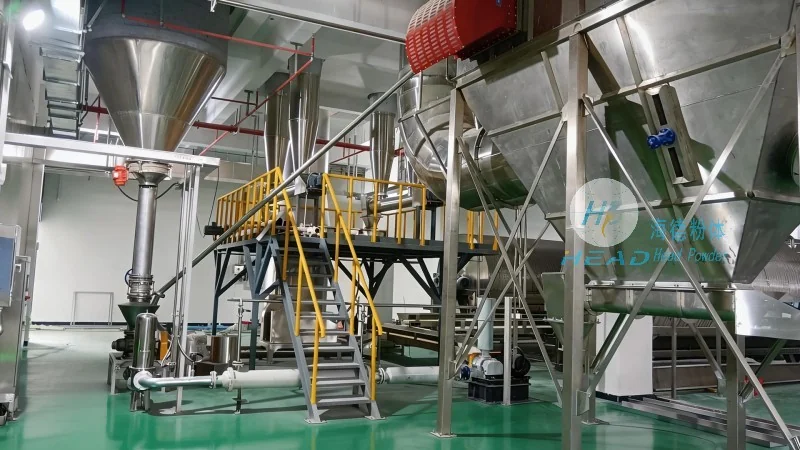
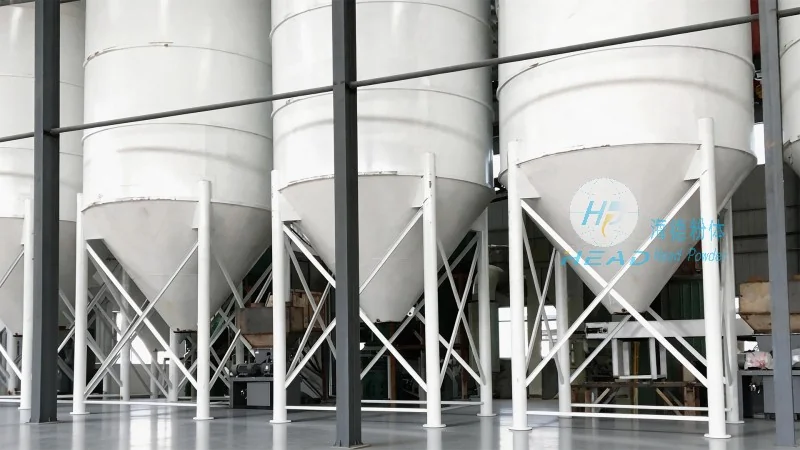
Bulk handling systems represent a cornerstone of industrial buckwheat hull transportation, particularly for high-volume operations. These systems integrate storage silos, hoppers, and conveyor networks to move hulls from storage to processing or packaging areas. The process typically begins with hulls being loaded into a storage silo, where they are then transferred via a conveyor system to the next stage of production. This method is ideal for facilities handling thousands of tons of hulls annually, as it minimizes labor costs and ensures a steady, uninterrupted flow of material. Bulk handling systems are also designed to reduce dust exposure and maintain product purity, which is critical for applications where hull quality directly impacts end-product performance.

Conveyor Systems: Versatile and Customizable for Diverse Needs
Conveyor systems offer flexibility and adaptability for transporting buckwheat hulls across various distances and environments. These systems can be customized to handle different hull types and operational conditions, including indoor and outdoor settings. Common types include belt conveyors, screw conveyors, and chain conveyors, each with distinct advantages. Belt conveyors are well-suited for moving large quantities of hulls over moderate distances, often used in horizontal or slight incline applications. Screw conveyors excel at vertical or inclined transport, making them ideal for elevating hulls to higher levels or moving them through tight spaces. Chain conveyors are preferred in scenarios requiring movement around obstacles or through complex layouts, providing reliable performance even with irregularly shaped hulls.
Pneumatic Conveying: Dust-Free and Efficient for Light Materials
Pneumatic conveying uses air pressure to transport buckwheat hulls through a network of pipes, making it particularly effective for dusty or lightweight materials. This method eliminates the need for physical contact, reducing the risk of hull breakage or contamination. The system typically consists of a blower, a hopper, and a series of pipes that guide the hulls from the source to the destination. Pneumatic conveying is often chosen for long-distance transport or when navigating complex layouts, as it can move hulls through vertical and horizontal paths with minimal maintenance. This technique is especially beneficial for applications where maintaining product integrity and minimizing dust exposure are paramount, such as in food processing or pharmaceutical-grade hulls.
Other Innovative Methods: Auger and Bucket Elevators
For specialized applications, additional methods may be employed to address unique challenges. Auger conveyors, which use a rotating screw to move hulls, are effective for vertical transport and small-scale operations. They are compact, easy to install, and suitable for moving smaller volumes of hulls to elevated storage or processing areas. Bucket elevators, on the other hand, use a series of buckets attached to a chain or belt to lift hulls vertically. This method is ideal for applications requiring high vertical lift or when space is limited, as it can transport hulls efficiently without occupying horizontal floor space. Both auger and bucket elevators offer reliable performance and are often integrated into larger bulk handling systems for comprehensive material management.
Factors Influencing the Choice of Transportation Method
The selection of a transportation method for buckwheat hulls depends on a combination of technical, operational, and economic factors. Volume is a primary consideration: bulk handling systems are preferred for large-scale operations, while smaller volumes may benefit from conveyor or pneumatic systems. Distance is another key factor, as longer transport routes may necessitate more energy-efficient methods like pneumatic conveying. Environmental conditions, such as indoor vs. outdoor use, also play a role, with some systems better suited for weather exposure. Additionally, the end-use requirements of the hulls—whether they need to remain dry, free from contaminants, or maintain specific particle sizes—will influence equipment selection. For example, if the hulls are destined for animal bedding, a system that minimizes dust and preserves natural properties is preferred, whereas for filtration media, a method that ensures uniform particle size distribution is critical.
Conclusion: Optimizing Buckwheat Hull Transportation with Tailored Solutions
Choosing the appropriate transportation method for buckwheat hulls is a strategic decision that directly impacts operational efficiency, product quality, and cost-effectiveness. By evaluating factors such as volume, distance, and end-use requirements, businesses can select the most suitable system for their needs. Whether employing bulk handling systems, conveyor networks, pneumatic conveying, or specialized equipment like augers and bucket elevators, the goal is to ensure the safe, efficient, and consistent transport of buckwheat hulls. Shandong HeadPowder Engineering Co., Ltd. specializes in providing customized transportation solutions tailored to the unique demands of buckwheat hull handling, leveraging advanced technology and industry expertise to deliver reliable systems that meet the highest standards of performance and quality.