

What Are the Methods for Transporting Calcium Sulfate?
When it comes to the transportation of calcium sulfate, various methods are employed to ensure efficient and safe handling of this material. Calcium sulfate, commonly known as gypsum, is widely used in construction, agriculture, and industrial applications. The choice of transportation method depends on factors such as the quantity of material, the distance to be covered, and the specific requirements of the end-user. In this article, we will explore the different approaches used for transporting calcium sulfate, highlighting the key considerations and advantages of each method.

Methods for Transporting Calcium Sulfate
There are several primary methods for transporting calcium sulfate, each with its own set of characteristics and applications. The most common methods include bulk transport via trucks, rail, and waterways, as well as specialized handling techniques for specific forms of calcium sulfate. Understanding these methods can help businesses and industries select the most suitable option for their needs.
Bulk Truck Transportation

Bulk truck transportation is one of the most widely used methods for moving calcium sulfate. This method involves loading the material into large trucks equipped with specialized containers or trailers designed to handle bulk materials. The trucks are typically used for short to medium distances, making them ideal for local deliveries or regional transport. The process begins with the material being loaded into the truck at the production facility or warehouse. The trucks are then driven to the destination, where the material is unloaded using a variety of equipment such as conveyor belts, loaders, or dump trucks. This method allows for flexibility in terms of delivery schedules and can reach areas that are not easily accessible by rail or waterways. The trucks used for this purpose are often equipped with features like tarpaulins to prevent dust and spillage, ensuring compliance with environmental regulations. The capacity of these trucks can vary, with some capable of carrying several hundred tons of calcium sulfate at a time. This method is particularly effective for smaller quantities or when the destination is within a reasonable distance from the source.
Railway Transport
For longer distances and larger quantities, railway transport is a popular choice for calcium sulfate. This method involves loading the material into railcars specifically designed for bulk cargo. The railcars are then transported along railway lines to the destination. This approach is highly efficient for moving large volumes of calcium sulfate over long distances, as it can carry significantly more material than trucks in a single trip. The process typically starts with the material being loaded into the railcars at a dedicated loading facility. The railcars are then coupled with other railcars to form a train, which is then dispatched to the destination. Upon arrival, the material is unloaded using specialized equipment such as conveyor systems or unloaders. Railway transport is particularly advantageous for industries that require consistent and large-scale supply of calcium sulfate, as it can provide a steady flow of material without the need for frequent truck deliveries. This method also helps reduce road congestion and carbon emissions compared to truck transport, making it a more environmentally friendly option. However, the infrastructure required for railway transport, including loading and unloading facilities, can be a significant investment for companies.
Waterway Transport
Waterway transport, particularly through barges or ships, is another method used for transporting calcium sulfate, especially when the material is being moved over long distances or across bodies of water. This method is often employed for bulk shipments where the destination is located near a port or waterway. The process involves loading the calcium sulfate into large barges or ships at the production site or a port. The vessels are then transported along rivers, canals, or coastal routes to the destination. Upon arrival, the material is unloaded using cranes or other loading equipment. Waterway transport is highly cost-effective for large volumes of material, as it can carry thousands of tons of calcium sulfate in a single shipment. This method is particularly suitable for industries that have a steady demand for calcium sulfate and need to transport it over long distances without the constraints of road or rail infrastructure. However, the availability of suitable waterways and ports is a key factor in determining the feasibility of this method. Additionally, weather conditions and water levels can affect the schedule and efficiency of waterway transport.
Specialized Handling Techniques
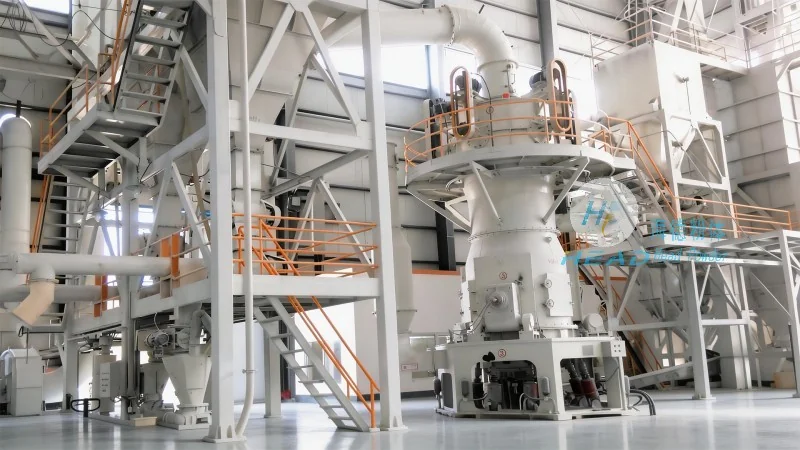
In addition to the traditional bulk transport methods, specialized handling techniques are used for specific forms of calcium sulfate, such as powdered or granular gypsum. These techniques are designed to minimize dust generation and ensure safe handling of the material. One common method is the use of pneumatic conveying systems, which use air pressure to transport the material through pipes. This method is particularly effective for transporting powdered calcium sulfate over short to medium distances. The system typically consists of a blower, a hopper to hold the material, and a pipe network that delivers the material to the destination. Pneumatic conveying is often used in industrial settings where the material needs to be transported from a production line to a storage or processing area. Another specialized technique is the use of screw conveyors or augers, which use rotating screws to move the material through a tube. This method is suitable for granular or semi-solid forms of calcium sulfate and can be used for both horizontal and vertical transport. Screw conveyors are often used in processing plants to move the material between different stages of production. These specialized handling techniques are essential for ensuring the material is transported safely and efficiently, especially when dealing with fine powders that can cause respiratory issues or environmental contamination if not handled properly.
Factors Influencing the Choice of Transportation Method
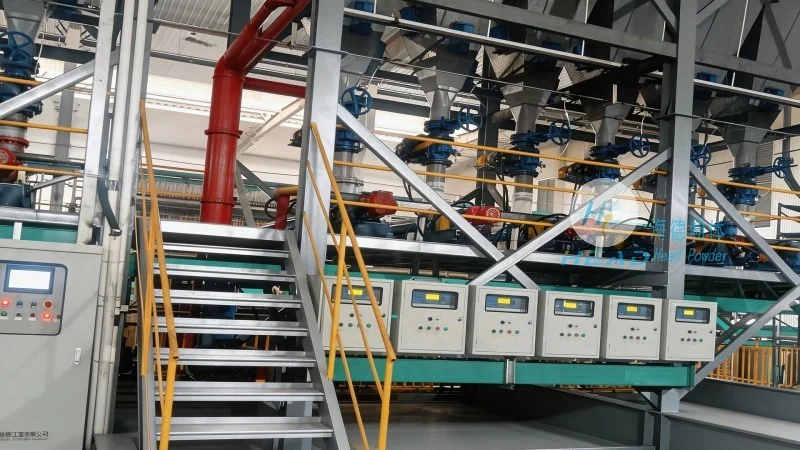
The choice of transportation method for calcium sulfate is influenced by several factors, including the quantity of material, the distance to be covered, the destination's accessibility, and the environmental regulations in the area. For small quantities or local deliveries, bulk truck transportation is often the most practical option due to its flexibility and ability to reach remote locations. For large-scale, long-distance transport, railway or waterway transport may be more cost-effective and efficient. The availability of infrastructure, such as loading facilities or railway lines, also plays a crucial role in determining the feasibility of a particular method. Additionally, environmental considerations, such as the need to minimize dust and emissions, may influence the choice of method. For example, pneumatic conveying systems can help reduce dust exposure compared to traditional truck transport. Companies must also consider the cost of transportation, including fuel, labor, and equipment maintenance, when selecting the most suitable method. By carefully evaluating these factors, businesses can choose the most appropriate transportation method for their calcium sulfate needs, ensuring efficient supply chain management and compliance with industry standards.
Conclusion
In conclusion, the transportation of calcium sulfate involves a range of methods, each with its own advantages and considerations. Bulk truck transportation offers flexibility and accessibility, while railway and waterway transport are more suitable for large-scale, long-distance movement. Specialized handling techniques are used for specific forms of calcium sulfate to ensure safe and efficient transport. The choice of method depends on various factors, including quantity, distance, and infrastructure availability. By understanding these options and evaluating the specific needs of their operations, companies can select the most effective transportation method for their calcium sulfate supply. This ensures that the material is delivered in a timely and cost-effective manner, supporting the various applications of calcium sulfate in construction, agriculture, and industry. The expertise and infrastructure provided by companies like Shandong HeadPowder Engineering Co., Ltd. can further assist in optimizing the transportation process, ensuring that calcium sulfate is handled and transported safely and efficiently.